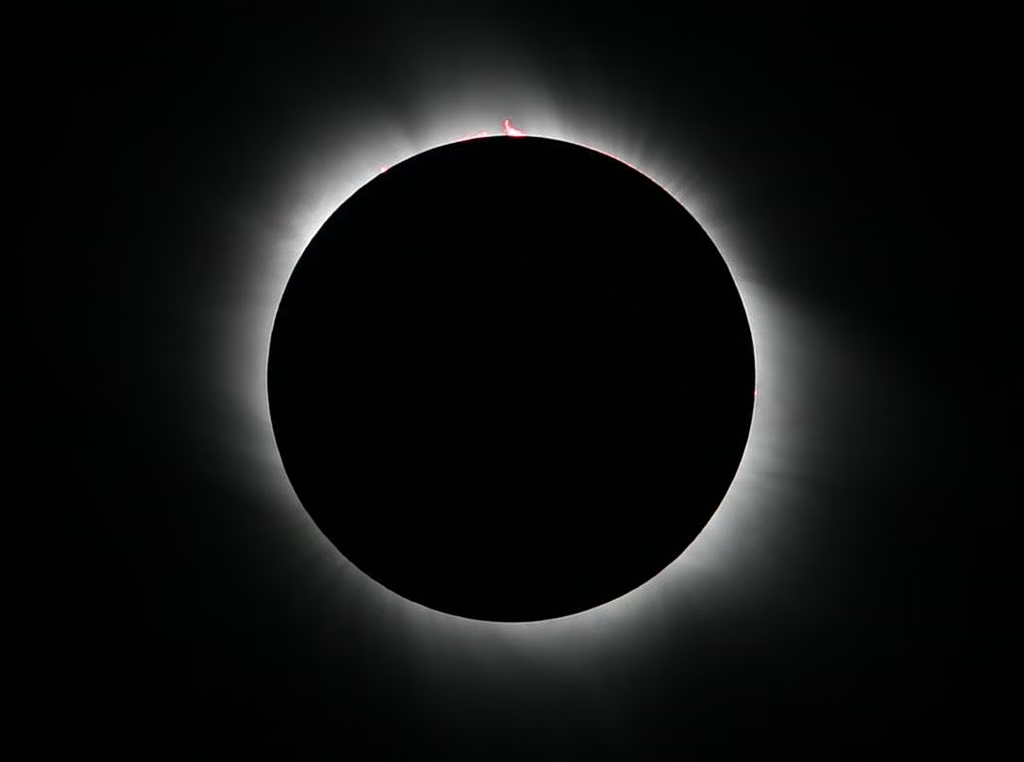
The countdown has begun for one of the most spectacular astronomical events in recent years. On August 12, millions of people will witness a rare total solar eclipse, as the Moon passes directly between the Earth and the Sun, completely blocking sunlight along a narrow path across the planet.
The event holds particular significance for Europe. It will be the first total solar eclipse visible from mainland Spain in more than a century, while the last total eclipse observable from continental Europe occurred in 2006.
A total solar eclipse takes place when the Moon aligns precisely between the Sun and the Earth, casting its shadow onto the planet’s surface. Within the narrow corridor of totality, the Sun’s disk disappears completely for a brief period. Depending on the observer’s location, daylight will turn to darkness for anything from a few seconds to several minutes. As the sky darkens and temperatures may briefly fall, the Sun’s spectacular corona—its outer atmosphere, normally hidden by the Sun’s intense brightness—becomes visible.

Widely regarded as one of nature’s most awe-inspiring spectacles, a total solar eclipse combines the rare geometric alignment of three celestial bodies with an experience shared simultaneously by thousands, or even millions, of observers. The path of totality will stretch for approximately 8,300 kilometers.
The Moon’s shadow will begin over the Arctic Ocean before sweeping across the North Pole, Greenland, Iceland, northern Spain, and northeastern Portugal. In Greenland, totality is expected to last just over two minutes. In northern Spain, however, the eclipse will be much shorter—around 20 seconds—as it will occur close to sunset.
Across Spain, the shadow will pass over Galicia before continuing toward the Balearic Islands, creating a dramatic transition from daylight to near darkness. Outside the path of totality, observers will experience a partial solar eclipse, with only part of the Sun obscured by the Moon. Partial phases will be visible across large areas of Europe, Africa, and North America.
The eclipse marks a historic moment for Spain, where it will be the first total solar eclipse visible from the mainland since 1905. It also begins a rare sequence of three solar eclipses that will be observable from Spain through 2028, fueling strong interest among both the scientific community and the growing field of astrotourism.
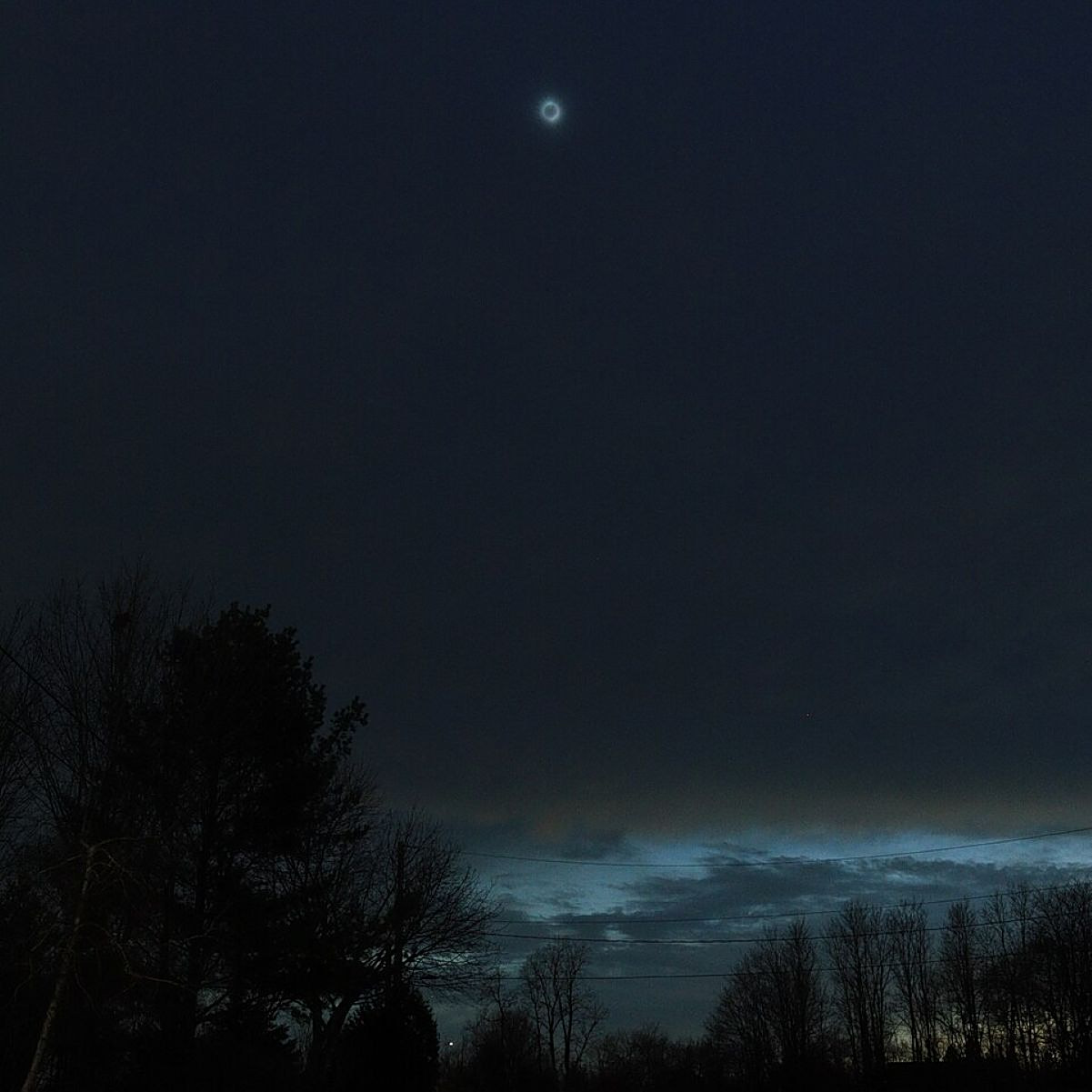
The European Space Agency (ESA) has described total solar eclipses as “moments of collective wonder,” highlighting their unique ability to bring millions of people together under the same sky to share an extraordinary scientific and cultural experience.
Experts warn that observing the Sun without proper eye protection can cause severe and permanent damage to vision, noting that ordinary sunglasses provide no protection. Safe viewing requires certified eclipse glasses or specially designed solar filters that meet internationally recognized safety standards.
During totality—when the Moon completely covers the Sun—it is temporarily safe to observe the eclipse without eye protection. However, the moment even the smallest sliver of sunlight reappears, viewers must immediately put their certified eclipse glasses or solar filters back on before looking at the Sun again.