 Μake us preferred on Google
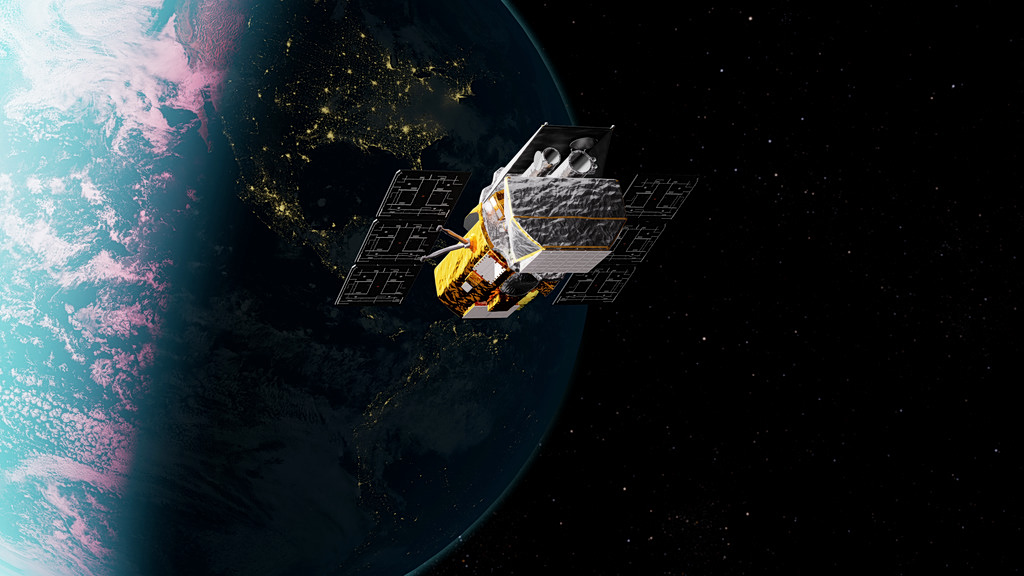
 A private spacecraft originally sent to rescue NASA’s Swift Observatory managed to approach the deteriorating telescope and capture images, even after the rescue effort had officially been called off two weeks earlier.
According to Katalyst Space Technologies, which led the ambitious mission, the three-armed robotic servicer ultimately had to back away due to insufficient fuel. Katalyst CEO Ghonhee Lee told the Associated Press this week that the spacecraft came remarkably close but still fell short of completing the rescue.
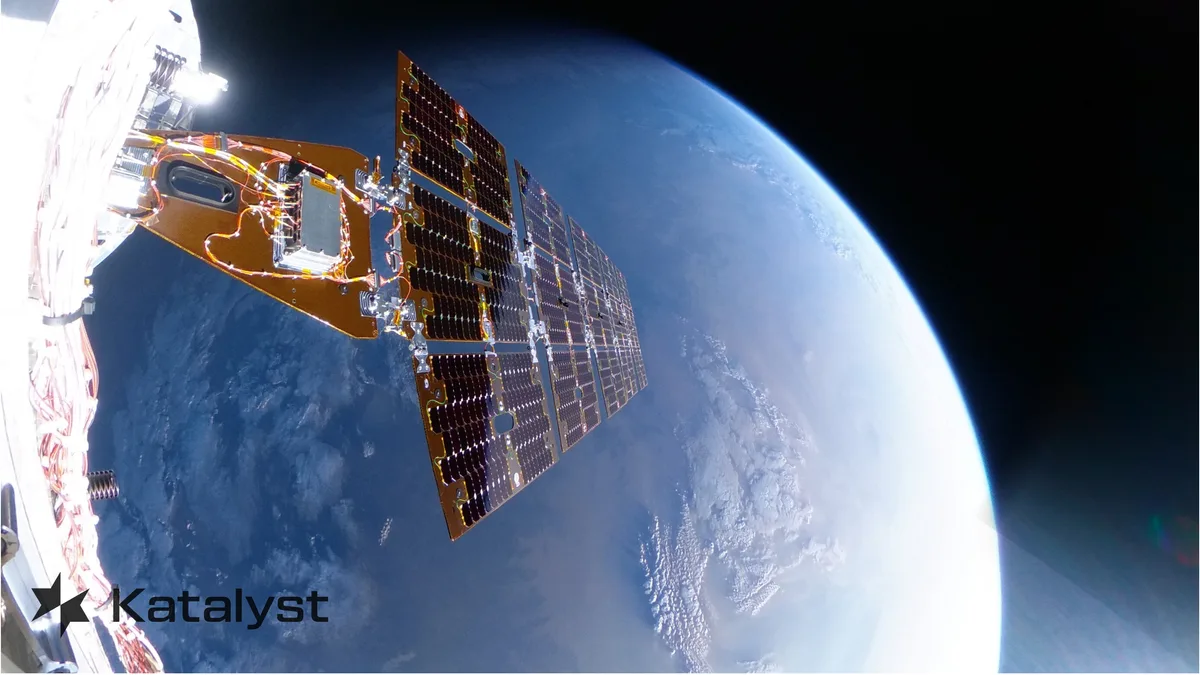
The company’s Link spacecraft came within 15 kilometers (9 miles) of Swift on Tuesday, using onboard sensors to collect data on the telescope for NASA. Although the rescue mission had already been scrapped in August due to Link’s own technical issues in orbit, Katalyst pursued the close approach anyway to gain experience for future satellite-servicing missions.
Link had entered an uncontrolled spin shortly after launching toward Swift in July. Ground controllers were able to stabilize the spacecraft and slow its tumble, but doing so consumed a significant amount of fuel. As a result, there wasn’t enough fuel left to push the aging Swift telescope into a higher orbit that would have extended its operational life.
Lee attributed Link’s difficulties to the rushed nature of the mission, which was assembled in just nine months. He noted that engineers frequently had to use available components rather than waiting for ideal parts.
NASA paid Katalyst $30 million for the attempt, understanding from the outset that the timeline would be tight. Both NASA and Katalyst treated the mission as a low-risk experiment, though care was taken to avoid any collision that could generate hazardous space debris.
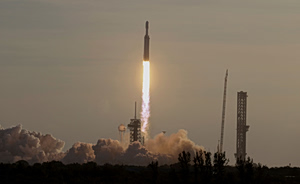
NASA Administrator Jared Isaacman acknowledged following Sunday’s launch of the Roman Space Telescope that the outcome wasn’t what the agency had hoped for, but he framed it as exactly the kind of ambitious mission NASA should be undertaking, adding that lessons learned from the attempt would inform future efforts.
Isaacman explained that extending the operational life of valuable spacecraft makes sense, particularly when servicing costs less than building a replacement. That reasoning is why the newly launched Roman telescope was designed with refueling capability in mind, even though it’s headed to an observation point roughly 1 million miles (1.6 million kilometers) from Earth.
Lee said it’s unlikely Link has enough remaining fuel to attempt another close approach to Swift. However, the spacecraft can continue testing its three 3-foot (1-meter) robotic arms and collecting valuable data before it reenters Earth’s atmosphere and burns up within the coming weeks.
Swift Telescope Remaining Lifespan
Swift, which launched in 2004, has a limited amount of time left in orbit, with its exact lifespan depending on solar activity. Recent intense solar storms have accelerated the telescope’s descent far faster than originally anticipated. As of Friday, Swift’s orbit had dropped to 208 miles (335 kilometers), roughly half its original altitude when it began observing some of the universe’s most powerful explosions.
NASA expects Swift to reenter the atmosphere sometime between October and the end of the year. The agency resumed scientific observations using the telescope last week, having paused them earlier this year to conserve its dwindling power supply.
Solar activity has similarly lowered the orbit of the Hubble Space Telescope. Katalyst is currently developing a next-generation spacecraft capable of boosting the 36-year-old Hubble into a more stable, longer-lasting orbit.
Lee noted that Hubble still has several years of operational life remaining, meaning there’s no immediate urgency to intervene. He added that servicing aging telescopes and satellites was once considered a highly specialized, niche endeavor, but he expects it to become increasingly common in the years ahead.
Source: AP