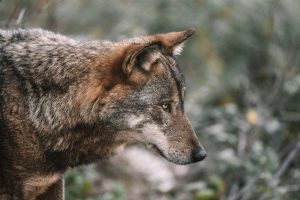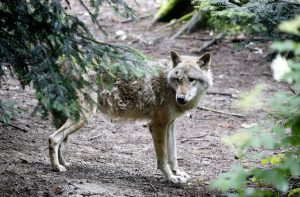
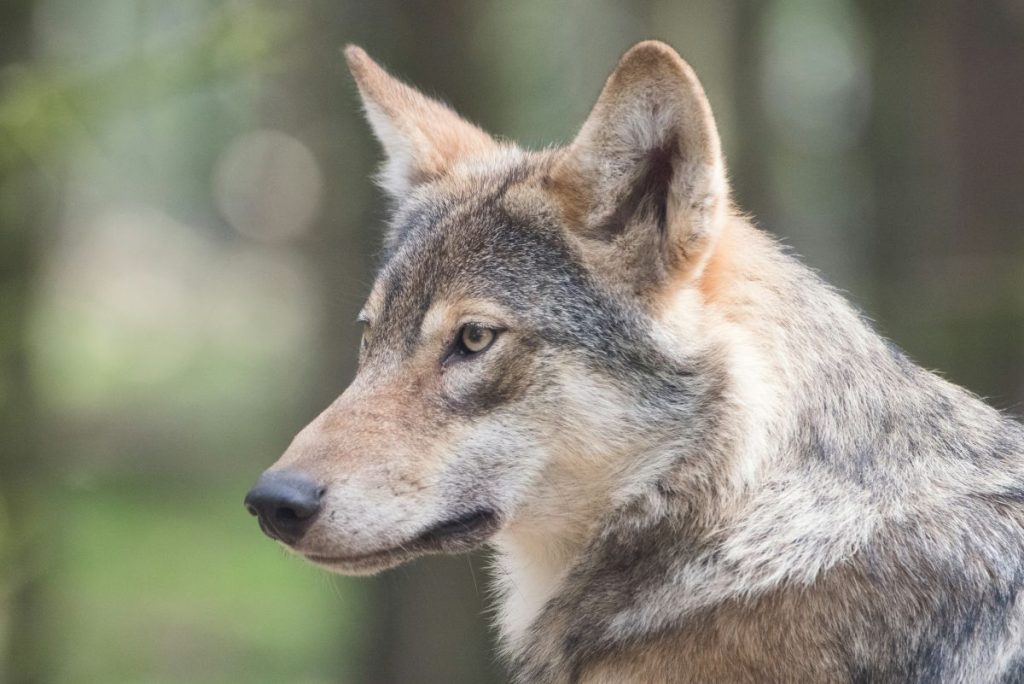
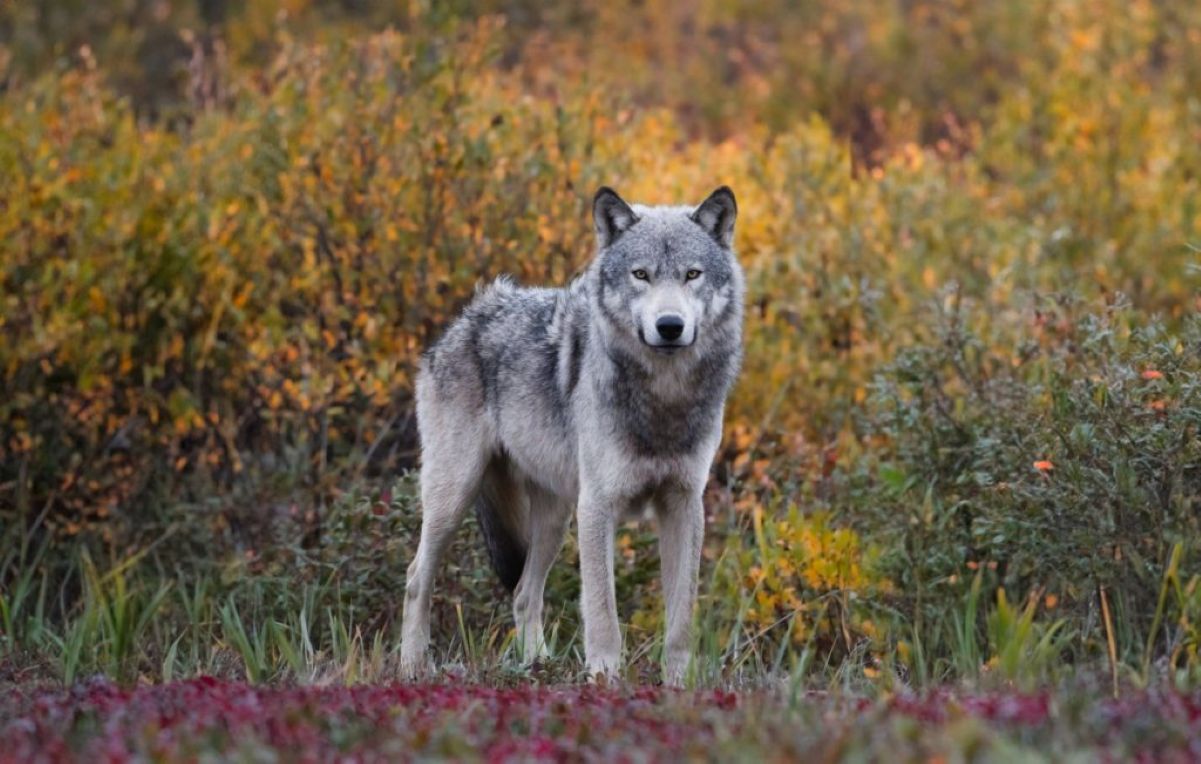
For the first time, a wolf-dog hybrid has been confirmed in Greece—an unexpected twist in the story of wolves reclaiming parts of Europe. The discovery was made near Thessaloniki by the conservation group Callisto, after genetic analysis of 50 wolf samples from the Greek mainland. One stood out: a genetic mix of 45% wolf and 55% domestic dog.
Ancient Relatives, Modern Encounters
Wolves (Canis lupus) and domestic dogs (Canis familiaris) are almost indistinguishable at the DNA level. While the difference between a Chihuahua and a wolf might seem vast, studies suggest dogs and wolves share 99.96% of their genetic code. Their evolutionary paths split between 14,000 and 40,000 years ago, but their ability to interbreed has remained intact.
In fact, most wolf-like canids—wolves, dogs, dingoes, coyotes, and jackals—can produce fertile offspring. This blurs the boundaries of what we call a “species.” Despite the common belief that hybrids are sterile, canids share the same chromosome count, allowing crossbreeding to happen more easily than in many other animals.
A Widespread Phenomenon
Wolf-dog hybrids aren’t new to science. A 2018 study found traces of domestic dog DNA in 62% of wolves across Eurasia, showing that interbreeding has been a recurring theme for millennia. In the United States alone, an estimated 300,000 wolf-dog hybrids exist today. Crossings often occur when female dogs in heat roam into wolf territory, sparking encounters with wild males.
Wolves on the Rise in Greece
The Greek hybrid may reflect a larger trend: wolves are rebounding. Callisto estimates there are now around 2,075 wolves in the country, a population steadily growing after decades of decline. Though hybrids remain rare, their reappearance signals a shifting balance between wild predators, domestic animals, and human-dominated landscapes.
The Greek wolf-dog is more than a genetic curiosity—it’s a reminder that the line between the wild and the domestic is thinner than it seems.