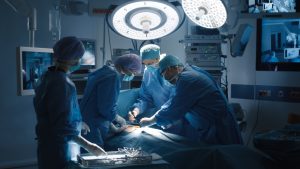

Greece recorded its highest ever number of organ donations and transplants in 2024, with more than 360 patients receiving life-saving procedures, a milestone hailed as a turning point for the country’s healthcare system.
According to the Hellenic Transplant Organization (EOM), 111 deceased donors provided organs to 236 patients, while 125 living donors—123 kidney and two liver—helped bring the total number of recipients to 361. It was the fourth consecutive year of growth, placing Greece’s efforts in the spotlight at international transplant forums.
The progress reflects a coordinated national strategy. Intensive Care Units across major hospitals played a key role, with specialized transplant coordinators helping families make informed decisions. Notably, family refusal rates dropped to 26%, a figure now comparable to the European average.
In 2024, Greece expanded the network of local transplant coordinators from seven to twenty, thanks to support from the Ministry of Health, the EU Recovery Fund, and the Onassis Foundation. This expansion has been credited with a significant share of the year’s successes.
EOM president Professor Georgios Papatheodoridis emphasized that while results are encouraging, continued effort is needed to reach the European average of at least 200 deceased donors annually. He also highlighted the importance of maintaining high standards of transplant quality, noting that outcomes in heart and lung transplants already surpass several international benchmarks.
Behind the numbers are stories of loss and generosity: families who chose to donate their loved ones’ organs, and patients who received a second chance at life. As Papatheodoridis stressed, the achievement belongs not only to the donors and their families but also to the many healthcare professionals working tirelessly in one of the most complex fields of medicine.