Fifty years ago, Steven Spielberg’s Jaws terrified audiences worldwide and cemented sharks as bloodthirsty villains in the popular imagination. But today, it is sharks themselves that face terror—from human activities that have devastated their populations across the globe. Even Spielberg later admitted regret for the harm his film caused to their reputation.
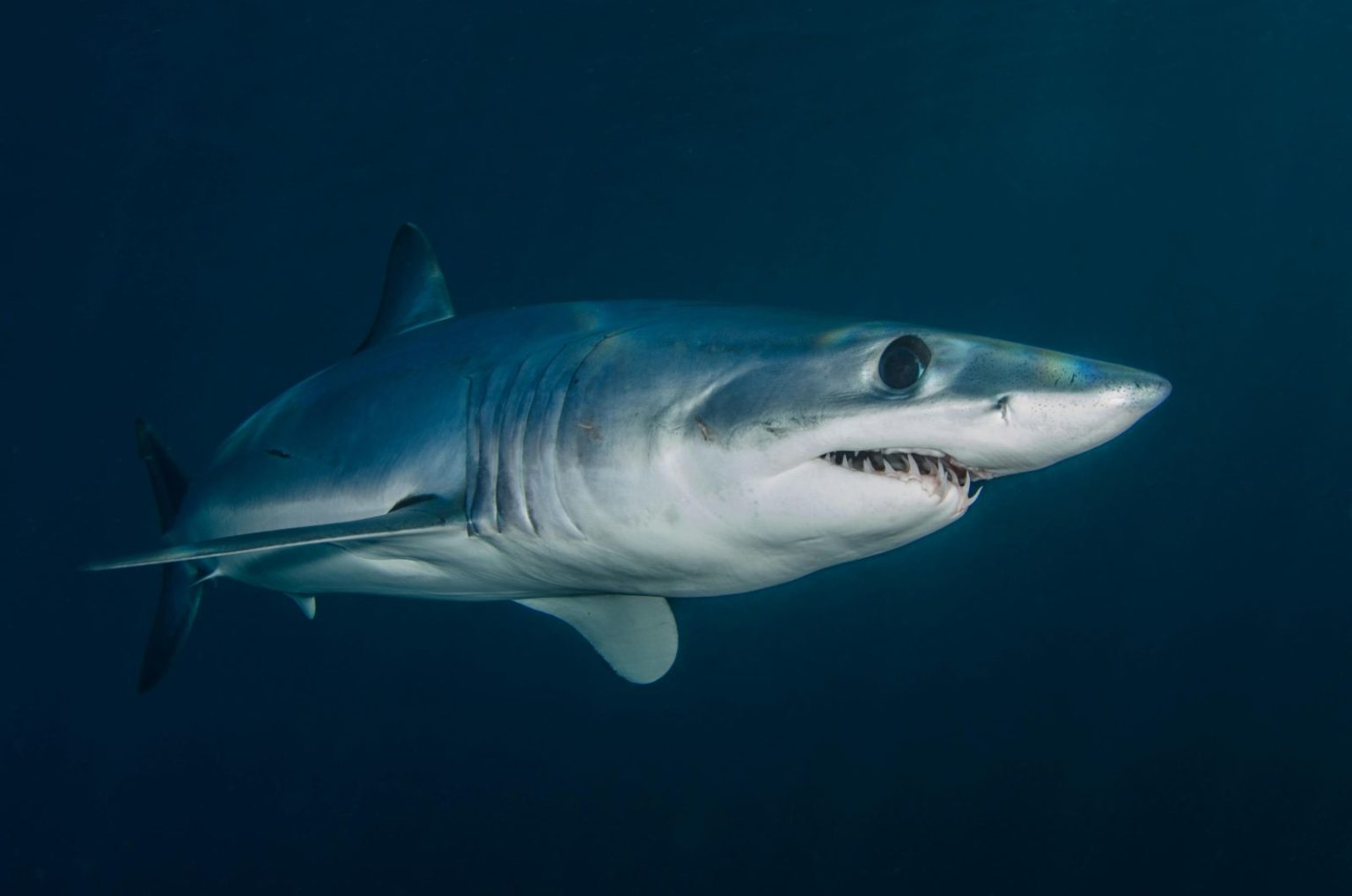
In reality, sharks are charismatic apex predators that play a critical role in maintaining healthy marine ecosystems. Contrary to their cinematic image, they do not seek humans as prey. Shark attacks are extremely rare—about 64 per year worldwide, with only around six resulting in fatalities. By comparison, the odds of being struck by lightning are far higher.
Yet while humans fear sharks, sharks have far greater reason to fear humans. Global populations have plummeted by more than 70% in the past 50 years, according to a 2021 study in Nature. One in three shark and ray species is now threatened with extinction, the International Union for Conservation of Nature (IUCN) reported in 2024. Overfishing—especially the targeting of sharks for their fins, cartilage, and liver oil—is the leading cause, alongside climate change, habitat loss, and pollution.
Sharks in Greek Waters
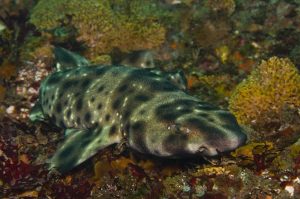
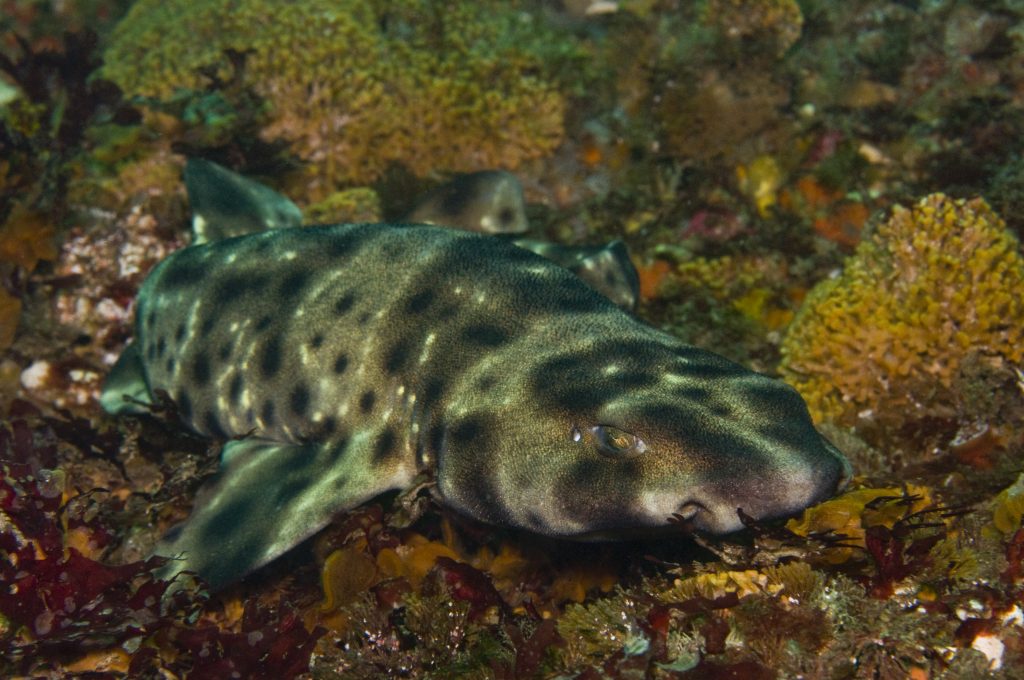
Greece is home to at least 35 shark species, according to the Hellenic Centre for Marine Research. They are most abundant in deeper waters south of Crete, less so in the Aegean Sea, and moderately present in the Ionian. Some species, such as the great white shark and basking shark, are strictly protected by European and Greek law, along with several rays and skates.
Despite these protections, many sharks are caught unintentionally as bycatch in fisheries targeting swordfish, tuna, or other species. While sharks fetch relatively low market prices compared to other fish, some still end up in Greek markets and restaurants. Consumers may be eating endangered species without realizing it: studies have shown that fillets sold under the name “galeos” (dogfish) often come from a wide range of sharks, including those legally protected.
A Red Alert for Conservation
In 2025, Greece updated its Red List of threatened species for the first time in 15 years, confirming the presence of 31 shark species, 25 ray species, and one chimaera in its waters. Alarmingly, 68% of sharks and nearly half of rays assessed are threatened with extinction.
Some species, such as angel sharks, have now been classified as “Critically Endangered,” making conservation efforts urgent. Scientists stress that sharks reproduce slowly, mature late, and have few natural predators, making them especially vulnerable to overfishing. Globally, more than 100 million sharks are killed annually—numbers that populations cannot sustain.
The Human Factor
Although sharks are not a primary fishing target in Greece, the risk remains that economic incentives could drive unsustainable exploitation in the future. Past examples worldwide show that when fisheries turned to sharks, stocks collapsed within decades and never recovered.
Meanwhile, climate change adds another layer of uncertainty. Rising sea temperatures may already be pushing some shark species into deeper waters in the Mediterranean, though researchers say more time is needed to assess long-term effects.
From Villains to Victims
The real horror story is not sharks attacking humans, but humans driving sharks toward extinction. As apex predators, their disappearance would destabilize marine ecosystems, with consequences rippling throughout the oceans and ultimately affecting human food security.
Protecting sharks in Greece and worldwide requires stronger enforcement of existing laws, transparency in seafood labeling, and international cooperation. Without decisive action, the misunderstood predators of cinema risk becoming tragic casualties of reality.