The Greek state has placed 251 beaches around the country under an enhanced environmental protection regime, expanding safeguards for ecologically sensitive coastal areas that form part of the Natura 2000 network.
The joint decision by the environment and energy ministry and the national economy and finance ministry designates the beaches as “Untouched Beaches,” prohibiting commercial concessions and a range of activities deemed likely to alter their natural character or damage their ecological integrity.
The new framework bans motor vehicles from entering the protected beaches and prohibits organized events involving more than 10 people. The use of electrically amplified music or other sound systems is also forbidden, as is the placement of movable beach infrastructure such as umbrellas, sunbeds, tables and chairs.
Commercial activities, including the rental of water sports equipment and other beach services for bathers, are not permitted, while mobile or trailer-mounted refreshment kiosks are also prohibited.
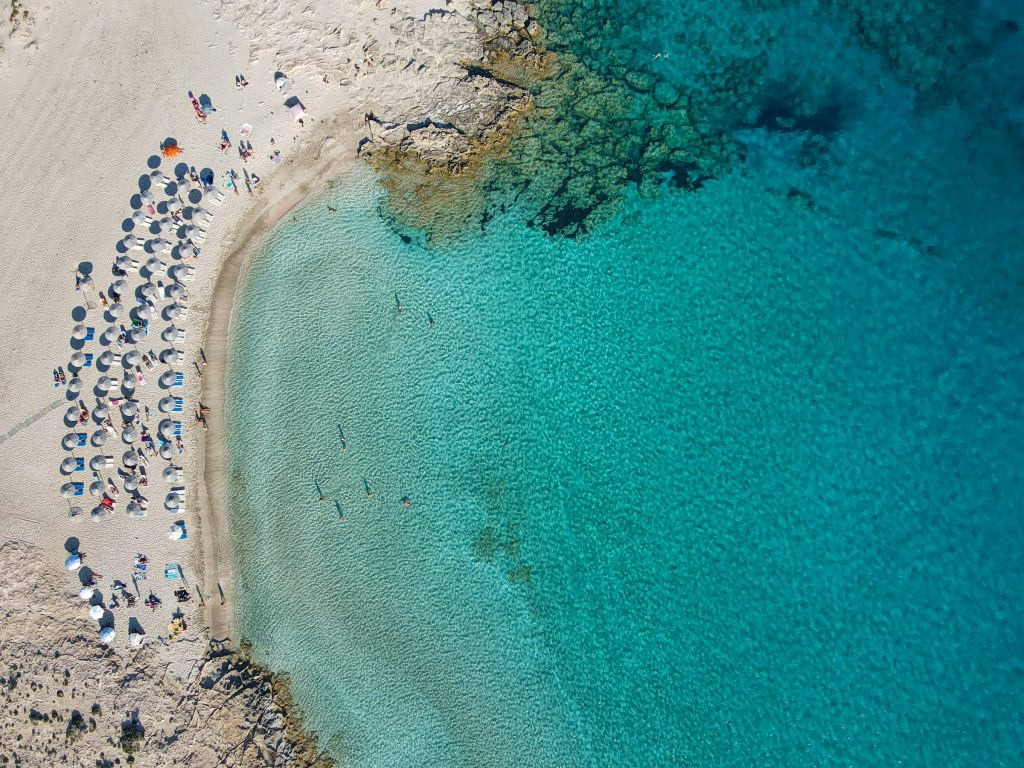
The government said the measures are intended to preserve beaches of exceptional ecological, geomorphological and scenic value, while protecting sensitive habitats and the flora and fauna they support.
The move builds on Greece’s broader effort to tighten oversight of its coastline following last year’s overhaul of beach concession rules. The legislation introduced stricter controls on commercial exploitation of beaches, expanded digital monitoring and increased penalties for violations after widespread public concern over unauthorized occupation of coastal areas.
Authorities are also encouraging public participation in enforcing the rules through the free MyCoast mobile application, which allows citizens to report illegal occupation of beaches or breaches of concession agreements.
Users can identify a beach concession either by searching the application’s interactive map or by scanning the QR code displayed on concession signs installed at participating beaches. The app provides information including the concession’s location, duration, permitted use and licensed area.
If users detect unauthorized occupation of the shoreline or obstruction of public access, they can submit a complaint through the application by selecting the relevant location or concession, specifying the nature of the alleged violation and providing a brief description. Complaints may be filed anonymously or under the user’s name.
Named complaints require authentication through the country’s Taxisnet digital government platform. To limit abuse, each device may submit only one complaint per day for the same concession and violation type, and reports can only be filed from a mobile device located near the concession site.