 Μake us preferred on Google
 Uganda has discharged its last remaining Ebola patient, marking a major milestone in its response to the latest outbreak and triggering the 42-day countdown required before the country can officially be declared Ebola-free.
The East African nation’s health ministry announced on Thursday that the final patient, a Congolese national, had recovered and was ready to reunite with family.
Uganda has confirmed 20 cases of the rare Bundibugyo strain of Ebola since mid-May. Fifteen of those infections involved people who contracted the virus in neighboring Democratic Republic of Congo before travelling to Uganda.
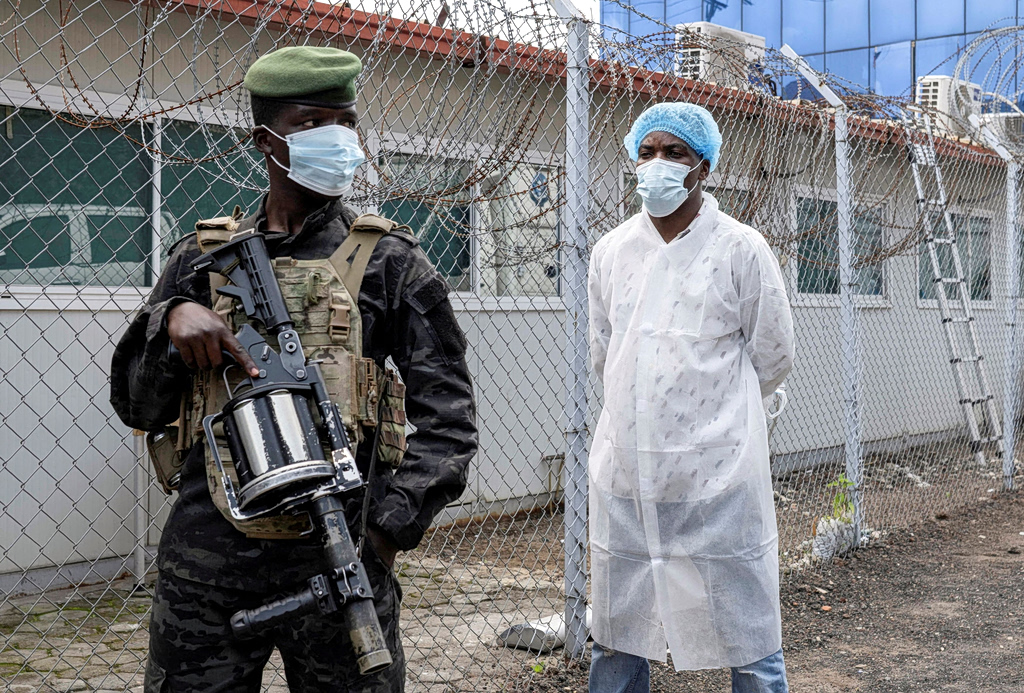
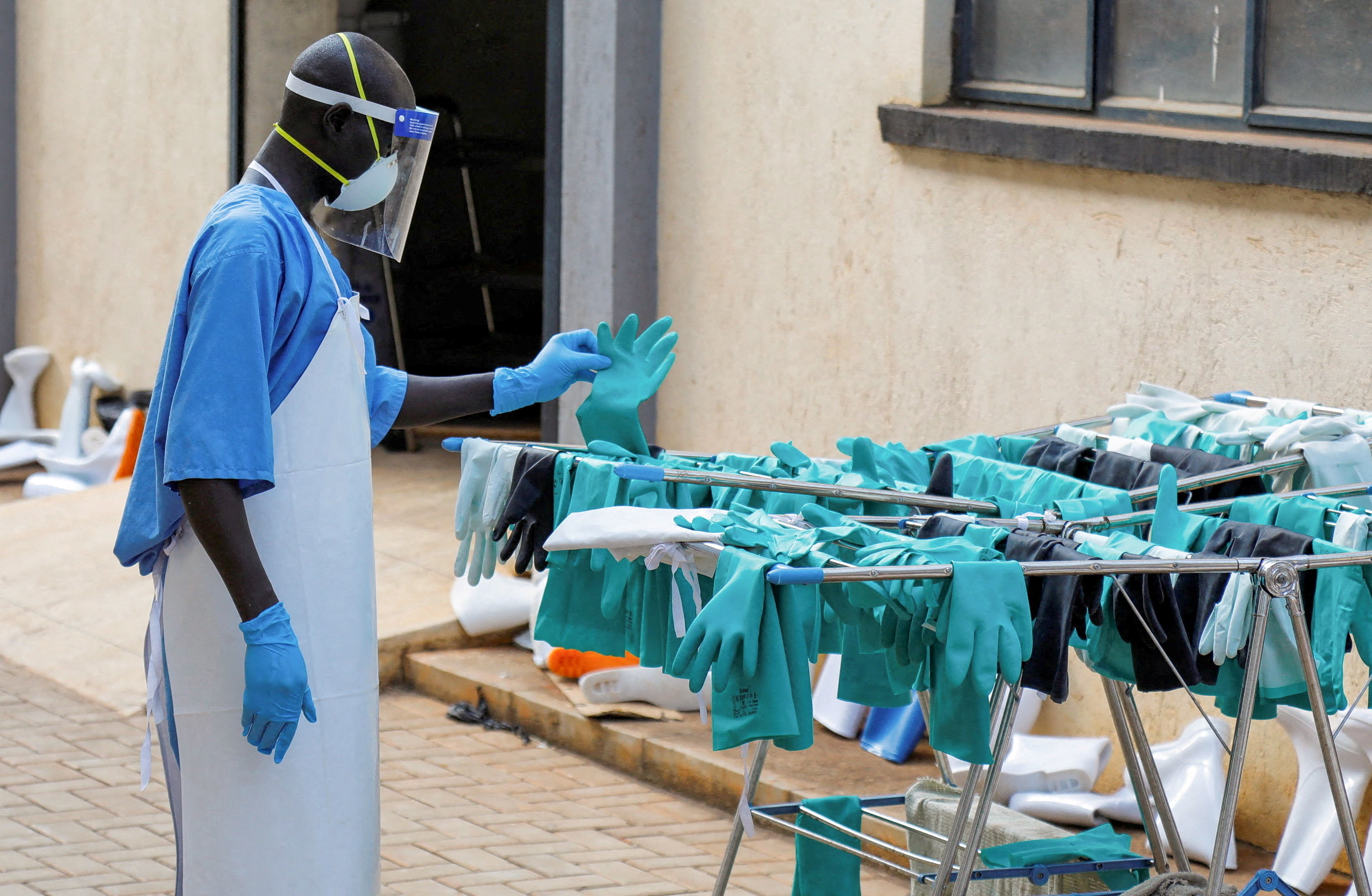
FILE PHOTO: A member of the M23 rebel group stands guard as provincial authorities visit the Rodolphe Merieux Laboratory, National Biomedical Research Institute (INRB), where samples from suspected Ebola cases are tested, as part of the response to the epidemic in Goma, North Kivu province of the Democratic Republic of Congo, May 19, 2026. REUTERS/Arlette Bashizi/File Photo
The country has not recorded a new Ebola case since June 22.
Under World Health Organization guidelines, Uganda can be declared free of the virus if no new infections are reported during the 42-day monitoring period.
“Today, Uganda has discharged the last Ebola patient, a Congolese national who has successfully recovered and is ready to be with his family,” the health ministry said in a post on X.
Government spokesperson Alan Kasujja said Uganda had officially begun the countdown, noting that a full 42 days without a new case would qualify the country for Ebola-free status.
While Uganda’s outbreak appears to be under control, the situation across the border in the Democratic Republic of Congo continues to deteriorate.
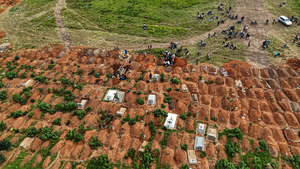
Congo reported 62 new confirmed Ebola cases on Thursday, bringing the official total to 2,073 infections and 796 deaths since the outbreak began in May. The World Health Organization has warned that the true number of infections could be at least twice as high.
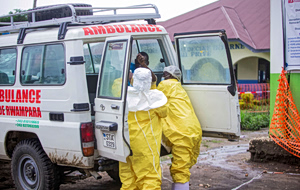
Efforts to contain the outbreak suffered another setback this week after an angry crowd attacked Nyakunde Hospital in Ituri province, forcing Ebola patients and healthcare workers to flee.
Reported by Reuters, according to François Berocan Uderos, a medical biologist at the hospital, the violence erupted after the death of a woman who had gone to the facility to give birth but developed severe anaemia. He said relatives had offered to donate blood, but the hospital refused because blood transfusions are prohibited during an Ebola outbreak.
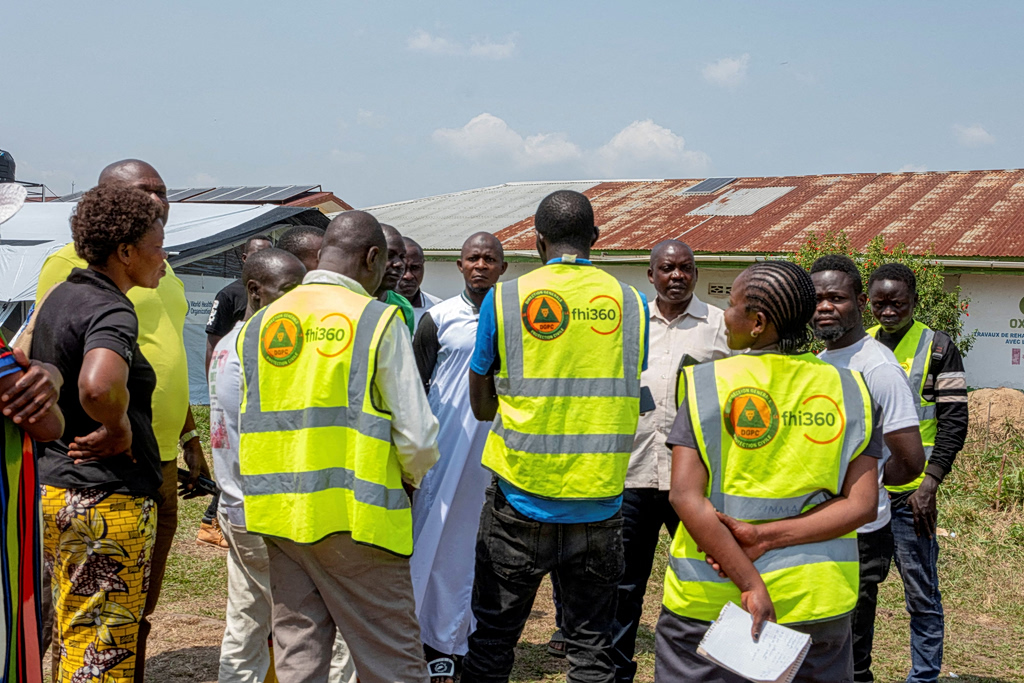
FILE PHOTO: Healthcare workers involved in the Ebola response gather at Rwampara General Hospital during a go-slow over unpaid salaries, as authorities seek to contain a new outbreak of the Bundibugyo strain of Ebola, in Rwampara, Ituri province, Democratic Republic of Congo, July 6, 2026. REUTERS/Gradel Muyisa Mumbere/File Photo
Following her death, the crowd threw stones and damaged the hospital’s perimeter fence, prompting medical staff to abandon the facility. The hospital’s power generator stopped functioning, and several Ebola patients escaped.
“The medical team has since left the hospital. The generator supplying power to the facility is no longer functioning, and patients have fled,” Uderos said.
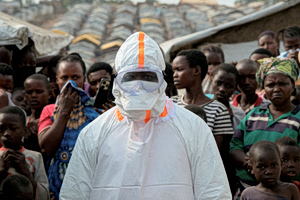
The incident underscores the persistent challenges facing health authorities in eastern Congo, where mistrust of medical teams, insecurity and community resistance have repeatedly disrupted efforts to contain the virus.
The outbreak is Congo’s 17th and has already seen multiple attacks on health facilities, recalling similar violence during the 2018–2020 Ebola epidemic, when more than 25 health workers were killed.
Security concerns have also intensified labor disputes among frontline responders, who have protested low pay and warned of possible strikes, arguing that their compensation does not reflect the risks and workload they face.
Christian aid organization Samaritan’s Purse said it evacuated staff from its Ebola treatment center adjacent to Nyakunde Hospital as the security situation deteriorated.
Vice President Ken Isaacs said patients who were well enough fled the facility, while those too ill to escape were left behind without treatment. Uderos said three Ebola patients remained at the hospital on Thursday morning.
Congo’s army said it had opened an investigation into the unrest in Nyakunde.
The outbreak is also affecting broader international engagement in the country. According to Reuters, it has disrupted negotiations linked to a major U.S.-backed minerals partnership, while the U.S. State Department said it continues working to contain the Ebola outbreak alongside efforts to advance the agreement.