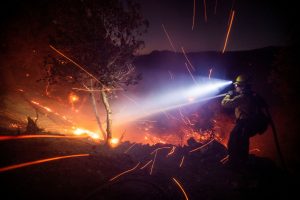
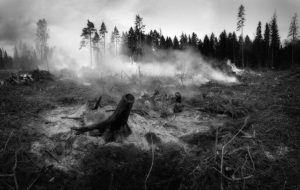
Crete, one of Greece’s largest and most vital islands, is confronting significant obstacles in its battle against wildfires this summer. Despite its size, rich biodiversity, and important agricultural output, the island lacks sufficient firefighting resources and personnel to effectively manage the persistent threat of fires.
The shortage of firefighters and aging firefighting vehicles leave Crete vulnerable to potentially devastating fires that could severely impact its natural environment, local economy, and communities. This situation complicates both prevention efforts and rapid response to fire outbreaks.
Authorities remain on high alert as strong winds, expected to reach up to 100 km/h, increase the risk of wildfires. Although the island is in the peak of the fire season, key challenges remain unresolved.
Vasilis Andreadakis, President of the Firefighters Union in the Heraklion region, highlighted these critical issues in a recent interview. He revealed that the firefighting workforce is seriously understaffed and aging, with an average age close to 48 years and some firefighters aged between 67 and 70. “Nationwide, there are approximately 3,000 vacancies in the firefighting service. In Heraklion alone, we need an additional 50 firefighters to properly implement fire prevention and response plans,” Andreadakis explained.
Another major concern is the age of firefighting vehicles. Many of the main fire trucks in Heraklion exceed 25 years of use, with some even reaching 30 years old. While there were expectations of receiving new vehicles at the start of the fire season through the “Aegis” program, no deliveries have yet been made. Furthermore, recruitment efforts have not kept pace with retirements, putting further strain on the firefighting capacity.
With the fire risk escalating, the situation in Crete underscores the urgent need for updated equipment and increased staffing to safeguard the island’s natural and economic assets from the growing threat of wildfires.