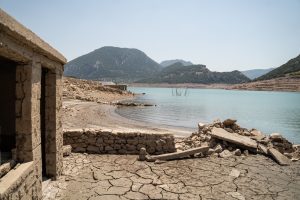
Athens is preparing for a potential water shortage as government authorities unveil a strategic plan to secure the city’s water supply. The plan focuses on three main initiatives to address dwindling resources and reduce water wastage.
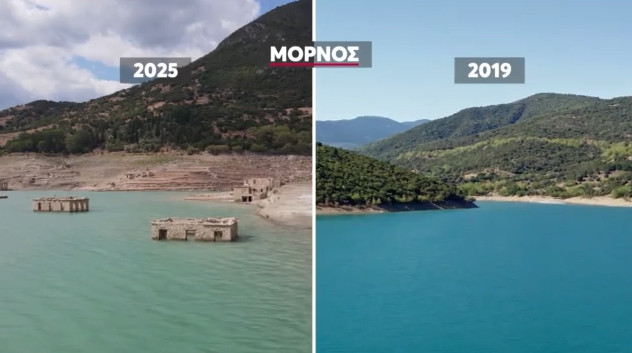
Plan A: Mornos Reservoir Replenishment
The first and primary strategy involves diverting water from two tributaries of the Acheloos River, the Krikeliotis and Karpenisiotis. These rivers often carry surplus water that can cause local flooding. The excess water will be transferred through 20 km pipelines to the Mornos Reservoir, significantly boosting its capacity.
This project, expected to begin in 2026 and conclude around 2029, is projected to provide an additional 150 million cubic meters of water annually for the Athens region.
Plan B: Groundwater Extraction
The second initiative targets high-yield groundwater sources. Three areas—Voiotikos Kifisos, Mavrosoubala, and Oungroi—have been identified through test drilling as having substantial water reserves. Extraction from these wells could contribute 149 million cubic meters per year to the city’s supply.
Plan C: Emergency Desalination
The final plan, considered a last-resort measure, involves constructing desalination plants at Thiva, Lavrio, and Nea Peramo. While this solution is neither the most economical nor sustainable, it would ensure emergency water availability if required. The cost of desalinated water is estimated at €1,000 per cubic meter, making it a contingency rather than a preferred option.
Government Strategy
Alongside these initiatives, the plan includes institutional reinforcement of Athens and Thessaloniki’s water utilities and policies to limit water wastage. The government aims to implement these measures immediately to secure long-term water sustainability for the country’s largest urban centers.