Greece is preparing for a week of extreme weather as high temperatures and strong winds raise the risk of wildfires across the country. According to forecasts, temperatures are expected to reach up to 38°C, while strong northern winds in the Aegean Sea may intensify conditions, especially between Sunday 13 July and Thursday 17 July.
Rising Temperatures and Strong Winds
Beginning Sunday, mainland regions will experience a gradual rise in temperature. By Monday, temperatures in central parts of the country are expected to climb to 38°C. Islands in the Aegean, Ionian Sea, the Dodecanese, and southern Crete will see slightly lower highs of around 34–35°C. Northern winds (known locally as “meltemi”) will reach up to 7 on the Beaufort scale, particularly affecting the Aegean region and parts of eastern mainland Greece.
Daily Weather Outlook
- Monday, 14 July: Mostly clear skies are expected, with brief afternoon showers or isolated thunderstorms in mountainous areas of Macedonia. Winds will remain strong in the Aegean, and temperatures will continue to rise.
- Tuesday, 15 July: A similar weather pattern is forecast, with localized storms likely in northern mountainous areas. Winds will remain from the north at 3–7 Beaufort. Temperatures will remain high.
- Wednesday, 16 July: Isolated showers are again likely in mountainous regions, especially in Eastern Macedonia and Thrace, where thunderstorms may also occur. No significant change in temperature is expected.
- Thursday, 17 July: Mostly sunny with occasional cloud cover in the northern mountainous mainland, where isolated showers are possible. Winds will be slightly milder, reaching up to 5 Beaufort in the Aegean. Temperatures will remain stable.
Increased Wildfire Risk
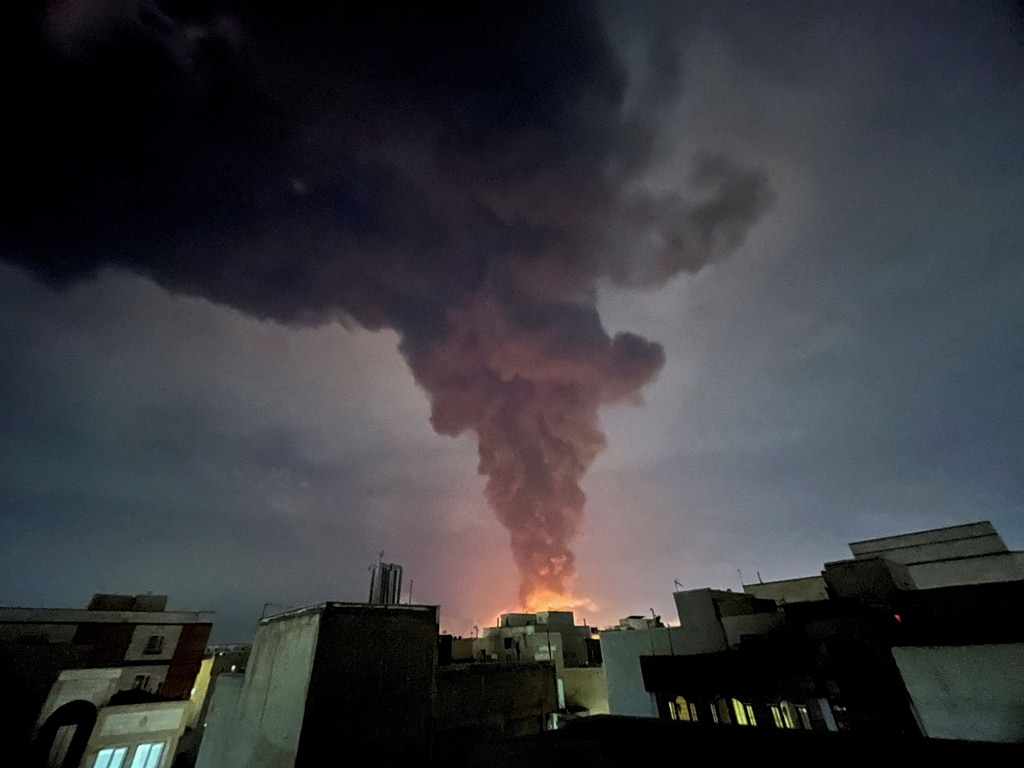
The National Observatory of Athens warns that the combination of heat, dryness, and strong winds will create hazardous fire conditions, especially in the eastern mainland and the Aegean islands. The “Hot–Dry–Windy” conditions expected between 13–16 July are likely to increase the flammability of dry vegetation, enabling fires to ignite and spread rapidly — even during nighttime hours.
There is also a moderate risk of fire-induced storms (pyrocumulonimbus events) in parts of Western and Northern Greece between Tuesday and Wednesday.
Authorities urge residents and visitors to exercise extreme caution, especially in rural and forested areas. Avoiding open flames, outdoor grilling, or any activity that could spark a fire is strongly advised.