Greece’s dairy industry is facing a challenging period as a decline in both the number of dairy farmers and livestock reduces the availability of fresh milk for processing. This shortage threatens the production of key dairy products, from fresh milk and yogurt to butter, cream, and a wide range of cheeses.
Dairy product impact
The decrease in fresh milk directly affects:
- Cow’s milk and evaporated milk
- Strained yogurt
- Butter and cream
- Cheeses such as feta, kefalotyri, kasseri, graviera, cheddar, gouda, mozzarella, and parmesan
- Ice cream
According to industry data, the producer price of cow’s milk has remained relatively stable in recent years: 0.5262 €/kg in February 2024, rising slightly to 0.55 €/kg in February 2025. For producers, the margin is minimal, often just a few cents per kilogram, leaving little room to absorb cost increases.
Farmers’ perspective
Dimitris Kazanas, a veteran dairy farmer, explained on Greek television that producers do not set milk prices. “The processing companies determine the prices. The cost of production is between 0.50–0.52 €/kg, and selling at 0.55 €/kg leaves only about three cents profit,” he said. Kazanas stressed that price increases for consumers are often disproportionate, noting that retail prices can be up to three times higher than producer prices.
Meat prices also rising
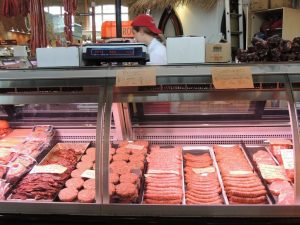
The livestock shortage is affecting meat markets as well. Lamb prices have risen sharply due to disease outbreaks and a reduced animal population. Producer prices are around €10/kg, with wholesale prices averaging €13.50/kg, making retail prices under €14/kg rare. Antonis Tsitsas, a livestock farmer, explained that the outbreak of sheep and goat disease in Thessaly has already led to the culling of over 110,000 animals, further limiting supply.
Industry outlook
The combination of fewer farmers, lower livestock numbers, and ongoing animal diseases is creating pressure on both dairy and meat markets in Greece. Consumers can expect higher prices across a range of essential products, and industry experts warn that the trend may continue unless measures are taken to support farmers and replenish livestock.