 Μake us preferred on Google
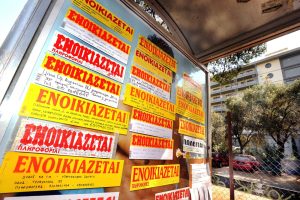
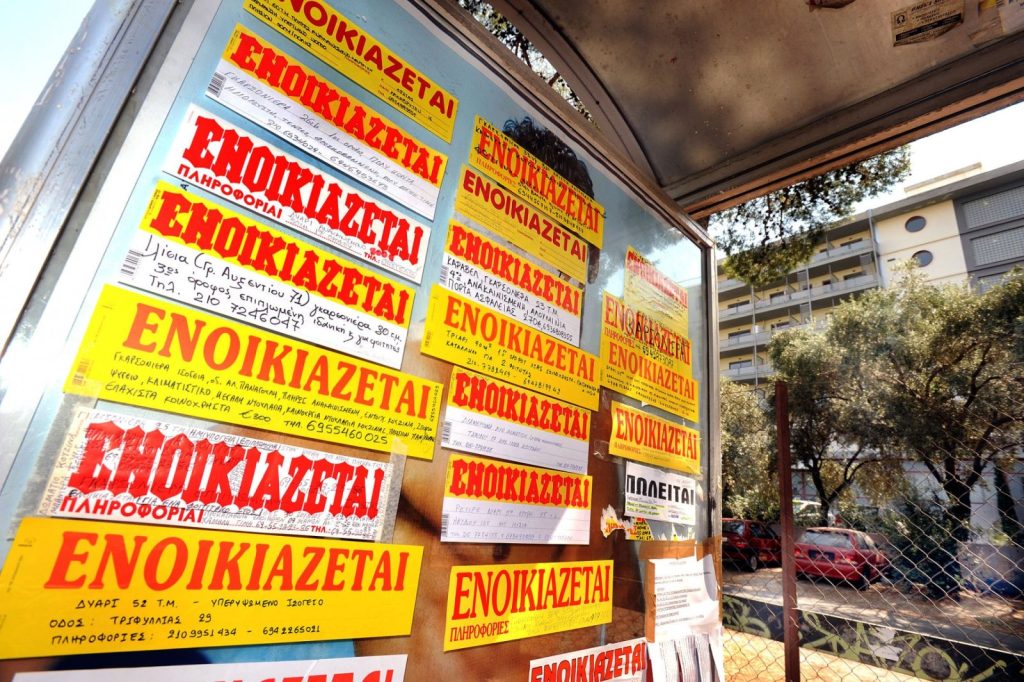
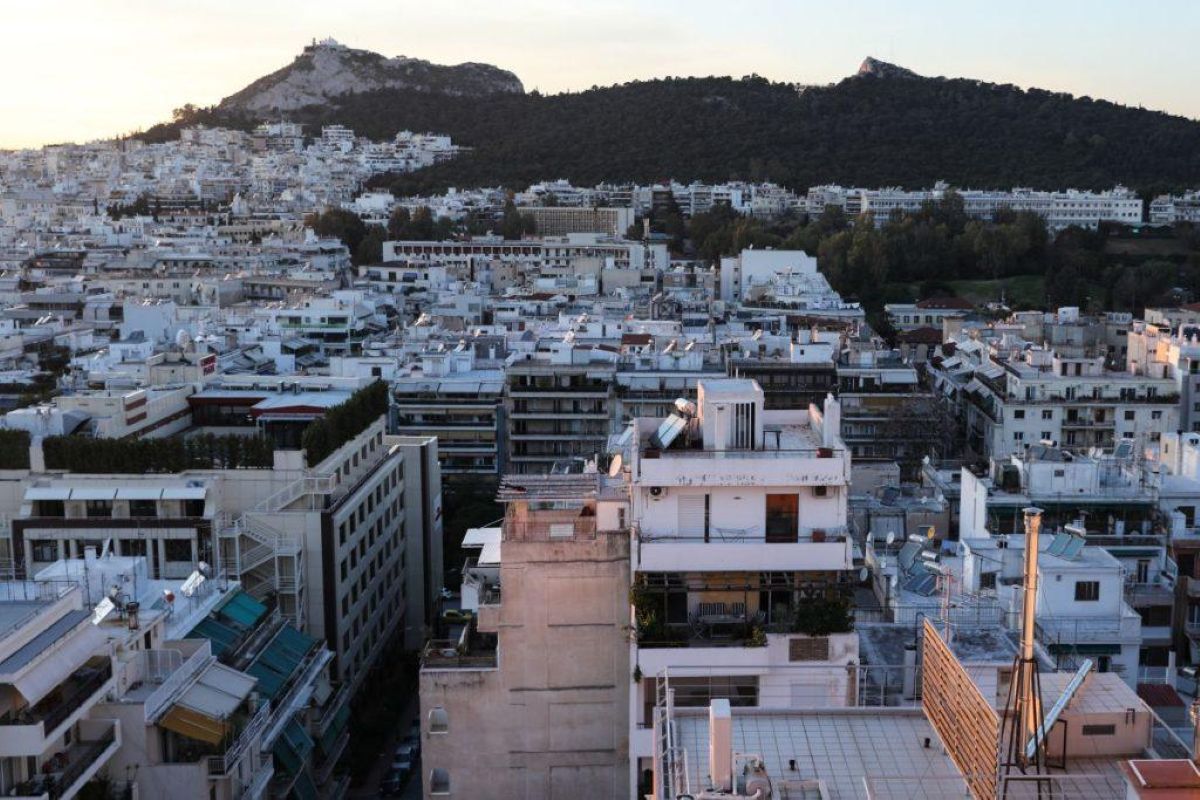
 Greece’s housing crisis is turning into a complex puzzle. Despite government measures, the country faces a chronic shortage of available homes, with an estimated deficit of 180,000 units. A mix of factors—including unused public property, assets tied up with debt servicers, idle institutional real estate, pending inheritances, and the growth of short-term rentals like Airbnb—has left the market paralyzed.
The president of the Greek Property Owners’ Association (POMIDA), highlighted the problem of vacant apartments. “Properties exist, but many are in older buildings that need renovation. Owners hesitate to rent either because they cannot afford repairs or because heirs cannot agree on what to do,” he said.
POMIDA has proposed a three-year income tax exemption for owners who rent previously unused properties, urging the Ministry of Finance to use fiscal incentives to unlock these homes.
On the construction side, the president of the Federation of Builders and Construction Companies of Greece (OMKOEE), points out that housing stock remains stagnant due to a halt in construction under current regulations.
Data underscore the scale of the crisis. Greece has roughly 6,500 unresolved inheritances, with 4,500 lacking legal owners. Over 75,000 properties belonging to institutions or public bodies remain unused, alongside 25,000 assets tied up in debt management companies. Meanwhile, hundreds of thousands of homes across the country sit empty.
The human impact is stark. Rising rents and limited access to property mean that more than a third of Greek households spend over 40% of their monthly income on housing alone, according to ELSTAT.
At the same time, studies by BluPeak Estate Analytics show that over two million residences remain unoccupied, including many public or municipal properties, with no unified system for tracking or managing them.
Short-term rentals add another layer of pressure. Piraeus Bank estimates that around 208,000 properties have been withdrawn from the long-term market for platforms like Airbnb, raising concerns about housing affordability in urban centers and fair competition with hotels.