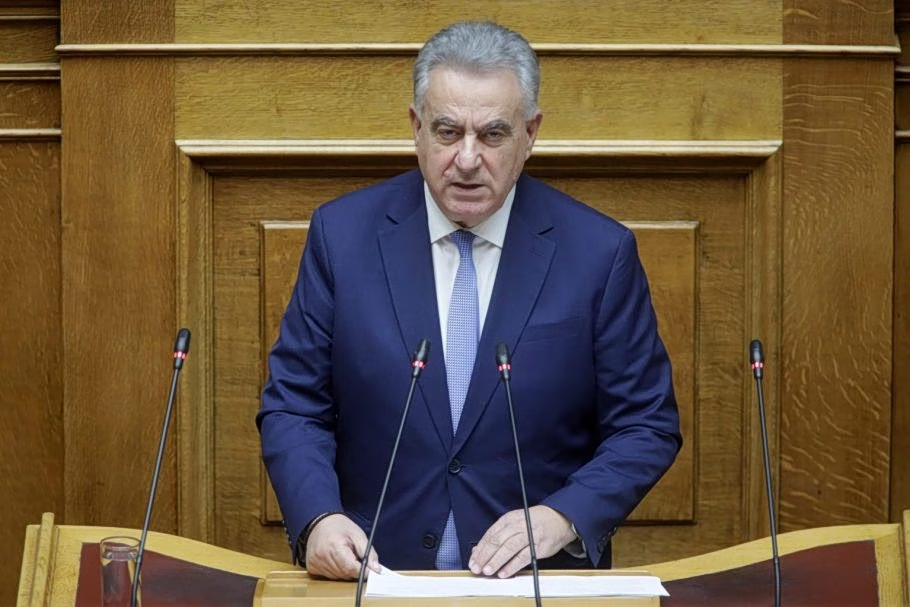
Dimitris Kafantaris, secretary general of KEDE, the Central Union of Greek Municipalities, laid out the group’s position on backing the younger generation entering the primary sector during the 172nd plenary session of the European Committee of the Regions. His remarks came as part of a discussion on a draft opinion covering generational renewal in agriculture.
Kafantaris said bringing younger people into farming isn’t just another policy item on the list, but a matter of strategic importance for the future of rural Europe, one that ties directly into food security and social cohesion across the continent.
He said the opinion being drafted is moving in the right direction, since it recognizes that drawing young people into agriculture depends on more than access to land or funding. Just as important, he noted, is the ability to build decent living and working conditions in rural areas.
Greece’s particular challenges
Kafantaris specifically pointed to Greece’s own circumstances, noting that its islands, mountainous regions and fragmented farmland create added obstacles to renewing the rural population. Rural flight, he stressed, isn’t just an economic issue. It also affects social cohesion, regional balance and the sustainable development of local communities.
Real incentives needed for young farmers
The KEDE secretary general said that if Europe and its member states genuinely want more young people entering the primary sector, they need to create real incentives for staying and working in rural areas. That means access to quality healthcare and education, modern infrastructure, adequate housing options, reliable digital connectivity and, above all, a decent, sustainable income for young farmers.
Closing his remarks, Kafantaris said the real question isn’t just who will be farming the land in the years ahead, but whether rural Greece and rural Europe will remain living centers of production, growth and social cohesion.
“KEDE remains firmly committed to shaping policies that strengthen the resilience of Greece’s regions, support the new generation in the primary sector, and contribute to the sustainable development of local communities,” he said in closing.