A traditional lace-making technique unique to the Greek island of Kefalonia has been officially added to Greece’s National Inventory of Intangible Cultural Heritage, marking a significant step toward preserving a craft practiced by generations of local women.
Known as agave lace, or athanatodantela, the technique uses fibers extracted from the leaves of the agave plant to create intricate handmade lace. The designation, granted by Greece’s Ministry of Culture in May 2026, recognizes the cultural value of a tradition that has survived on the island for more than a century despite being practiced today by only a handful of artisans.
At the center of the preservation effort is Stamo Sklavounaki, one of the last remaining practitioners of the craft. Through her work with the Harokopio Workshop for Poor Women and Girls of Kefalonia, she has helped keep the technique alive while playing a key role in securing its official recognition.
Born in the village of Peratata, near the historic Castle of Aghios Georgios, Sklavounaki grew up surrounded by embroidery and needlework traditions. Now approaching her 90th birthday, she continues to advocate for the preservation of agave lace and hopes to establish a dedicated exhibition space where visitors can learn about every stage of the production process.
The craft requires considerable skill and patience. Producing a single ball of thread can take days, as the agave fibers must be soaked, repeatedly washed and carefully prepared before they can be transformed into lace. The process also requires caution, as the plant’s sap can irritate the skin.
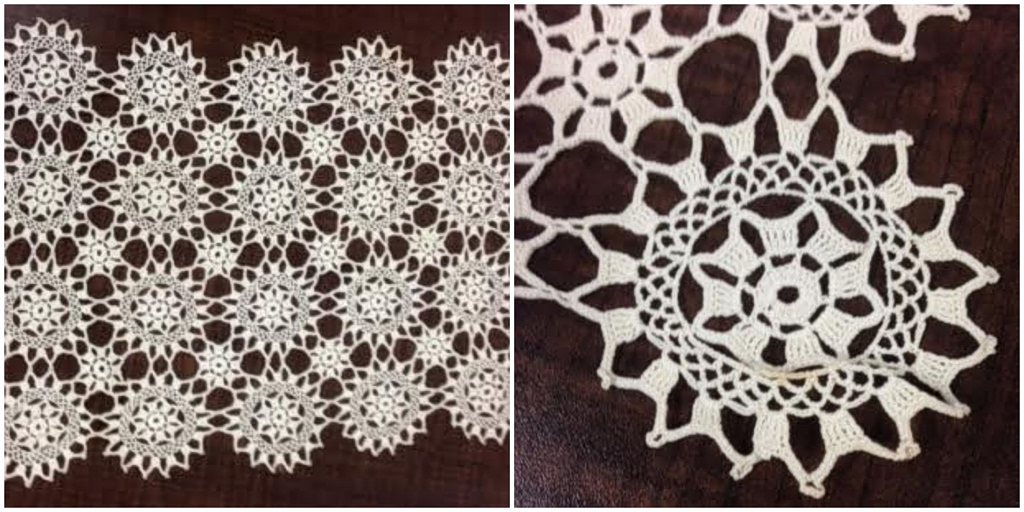
Historical research conducted by Sklavounaki suggests that during the late 19th and early 20th centuries, affluent women often commissioned rural artisans to create lace on their behalf. The finished pieces were used to decorate household items and garments, including doilies, collars, dresses and even wedding gowns.
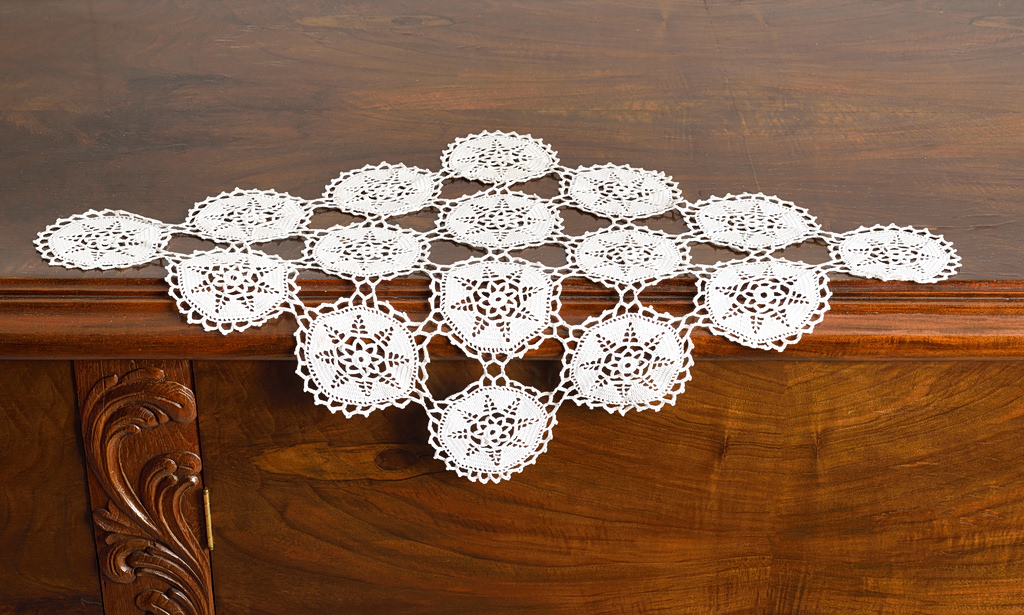
Inspired by the island’s natural landscape, the lace frequently features floral, vine and geometric motifs. Because agave fibers vary in thickness, each creation is unique. The material is also exceptionally durable, retaining its natural color without the need for synthetic treatments.
Beyond its artistic value, advocates of the tradition see contemporary relevance in the craft’s reliance on natural materials. Sklavounaki has argued that agave fibers could inspire more sustainable alternatives to synthetic products, including bags and other everyday items.
The Harokopio Workshop described the heritage designation as more than a symbolic achievement. In a statement, the organization said the recognition represents an important step toward the protection, preservation and future development of a unique local technique.
For supporters of agave lace, the designation offers renewed hope that one of Kefalonia’s most distinctive folk traditions can be passed on to future generations before the knowledge disappears.