Athens residents will need to wait another 9 to 10 years before the capital’s public transport approaches the standards of other European metropolitan areas. The government’s new mobility plan for Athens sets a horizon of 2035, promising full fleet modernization, more frequent services, and improved interconnectivity across all modes.
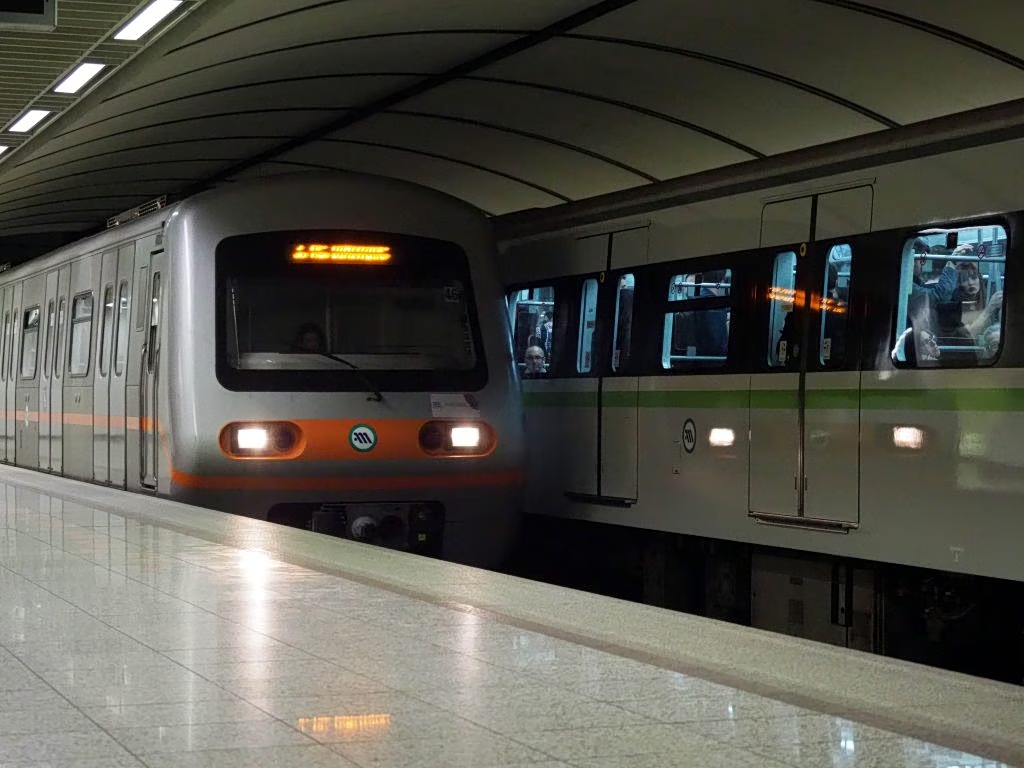
At the core of the plan is the new strategic framework of the Athens Urban Transport Organization (OASA), which aims at a comprehensive restructuring of the Attica transport network and the creation of a fleet of approximately 2,000 buses by 2035. The focus is on “green” technologies and the gradual correction of long-standing dysfunctions affecting passengers. However, current conditions remain far from this vision, with at least 22 older metro trains expected to operate without air conditioning again this coming summer.
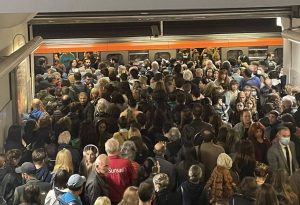
In recent years, urban transport in Athens has remained in a constant state of transition. On one hand, ambitious investments are being promoted to renew the fleet and reorganize services. On the other, passengers continue to face daily shortcomings: infrequent routes, understaffing, delays, and problematic travel conditions, especially in the metro during summer months.
What lies ahead?
According to government and OASA planning, the bus fleet will gradually expand by the end of the next decade, with around 600 new vehicles entering service between 2028 and 2035. This complements a previous plan that foresaw 1,400 new buses by the end of 2027. The goal is clear: increase the use of public transport and reduce reliance on private cars. OASA aims for public transport to account for nearly 40% of daily trips, similar to levels during the 2004 Olympic Games.
At present, however, the picture differs significantly. Of approximately 1,540 buses (old and new) belonging to OSY, fewer than 1,000 operate daily on Athens roads. These shortages result in sparse services, long waiting times, and reduced system reliability.
The government plan includes a series of new tenders and investments that will shape transport in the coming years. With European funding, 80 electric buses and 40 new trolleybuses with in-motion charging (IMC) technology are being procured. Plans also include 50 hydrogen-powered buses, along with the necessary refueling infrastructure. Additionally, 101 more electric buses are expected via EU funds, alongside a long-term leasing program for 120 vehicles covering the period 2027–2037. Total fleet renewal investments are estimated to exceed €500 million, with a clear orientation toward low- or zero-emission technologies.
At the same time, OASA is preparing a new strategic plan for the overall restructuring of the network, expected to be completed in the autumn.
Short-term measures (by 2027) include:
- Increased service frequency
- Reduced waiting times
- Expansion of dedicated bus lanes
- Creation of new routes and flexible mobility options
In the long term, up to 2045, significant expansion of services and better integration between buses, metro, and suburban rail are planned.
Understaffing
One of the most controversial aspects of the current model is the growing involvement of private operators in urban transport. Initially introduced as an emergency measure during the pandemic, this involvement now appears to be taking on permanent characteristics. Private operators already run 63 routes (increased to 74 including duplicates) in Eastern and Western Attica. A new tender expected in May will assign an additional 12–14 routes, with a budget of around €15 million.
Officially, the government argues that this approach frees up resources to strengthen high-demand routes. However, its implementation has been accompanied by significant dysfunctions, including contracts that did not perform as planned, staff shortages, lack of buses and basic infrastructure (such as depots), and service quality issues, all of which have raised concerns.
Despite this, the government and the Hellenic Corporation of Assets and Participations continue to support the model, intensifying the debate over whether it is a temporary solution or a deeper shift in the philosophy of public transport operations.
Beyond vehicles and infrastructure, human resources remain critical to the system’s daily functioning. Ongoing shortages of bus and trolley drivers continue to affect service frequency and reliability. Efforts to address this include new hires, the operation of a driver training school by OSY, and financial incentives. However, covering staffing needs will take time, and until then, passengers will continue to feel the impact.
No air conditioning
On Metro Line 1 (formerly ISAP), the first of 14 refurbished trains is now expected to enter service during the summer—delayed from its original 2024 timeline. The remaining 13 trains are scheduled for delivery by summer 2027. An additional 22 older trains (12 metro and 10 former ISAP units) are also slated for upgrades.
However, the relevant tender has not yet been launched, meaning that installing air conditioning in these 22 trains will take at least another two years. At the same time, the tender for 15 new Athens metro trains remains pending. The procurement includes eight conventional trains and seven dual-voltage units that will serve Line 3 to the airport, relieving the existing seven trains, which have been in service for 22 years and have exceeded 3 million kilometers.