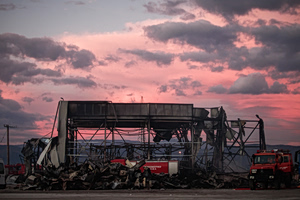
New witness statements are providing critical insight into the causes of a deadly explosion at a biscuit factory in central Greece, where five female workers lost their lives. According to investigators, employee testimonies point to a persistent gas leak that was noticed repeatedly but never properly addressed.
Authorities examining the fatal workplace accident say a key piece of evidence is a conversation that took place just hours before the blast. The exchange, between a worker and a shift supervisor on the night of the explosion, suggests that the presence of gas inside the factory was known shortly before the tragedy unfolded.
Repeated Reports of Gas Odors
One employee testified that a strong smell of liquefied petroleum gas had been present in the dishwashing area of the factory on numerous occasions. According to the statement, the odor had been detected around ten times during the employee’s time working in that section, not only on the night of the explosion.
The issue, the worker said, was also known to colleagues. Management reportedly attributed the smell to a technical fault, suggesting it was caused by a short circuit in industrial equipment rather than a gas leak.
The Conversation Hours Before the Blast
Investigators say that shortly after midnight on January 26—approximately three hours before the explosion—the worker alerted a factory supervisor to “a strange smell resembling gas.” The response, according to testimony, was that the odor likely came from fumes produced by the dishwashing machinery.
The shift supervisor, who is among those arrested following the fire service investigation, later told prosecutors that he had noticed the smell intermittently for about a month before the explosion. He said he was repeatedly reassured that there was no cause for concern and that the odor was linked either to fuel tank refilling or routine factory operations.
Warnings Without Action
In his statement, the supervisor said he had informed senior staff, including production and technical managers, as well as the factory’s plumber. Despite these alerts, investigators found no evidence that a thorough safety inspection was carried out.
According to the official fire service report, the gas leak may have been ongoing for far longer than initially believed—possibly four to five months before the explosion. Frequent reports of a strong gas smell were either underestimated or ignored, the findings suggest.