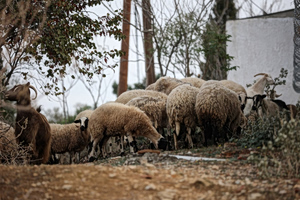
Greece continues to battle a prolonged outbreak of sheep pox, with more than 486,000 animals culled since the disease first appeared in August 2024, according to the latest official data.
The outbreak has had a severe impact on livestock farmers, with authorities warning that continued vigilance is essential to prevent further spread.
Thousands of cases recorded
Figures released by the Ministry of Rural Development and Food show that, between August 2024 and April 19, 2026, a total of 2,152 cases of sheep and goat pox have been confirmed across the country.
The disease has affected 2,660 farms, leading to the culling of 486,666 animals in an effort to contain the outbreak.
New cases detected
Despite ongoing containment efforts, new infections continue to emerge. Between April 6 and April 19, 2026, five additional cases were recorded in different regions.
These were identified in western parts of the country, with infections confirmed on multiple dates during that period, highlighting the persistent nature of the outbreak.
Increased inspections and enforcement
Authorities have stepped up inspections in cooperation with police in an effort to enforce biosecurity measures and control animal movements.
Between October 2025 and mid-April 2026, more than 60,000 checks were carried out, resulting in dozens of violations and arrests. A significant portion of these inspections—over 43,000—took place in just the first months of 2026.
Call for strict compliance
Officials stress that strict adherence to biosecurity protocols remains critical. Measures include controlling animal transport, conducting regular checks, and promptly reporting any suspected cases.