A rising wave of migrant arrivals on the southern coast of Crete is putting immense pressure on local communities, infrastructure, and the Greek government. From remote islands like Gavdos to major ports across southern Crete, the region is becoming the frontline of a rapidly escalating humanitarian situation.
A Midnight Arrival at the Edge of Europe
It is 3 a.m. at the remote port of Karave on Gavdos, Greece’s and Europe’s southernmost point. The sea is dark and silent until fishermen notice movement offshore. Shining their flashlights into the distance, they spot yet another boat filled with migrants approaching the shore.
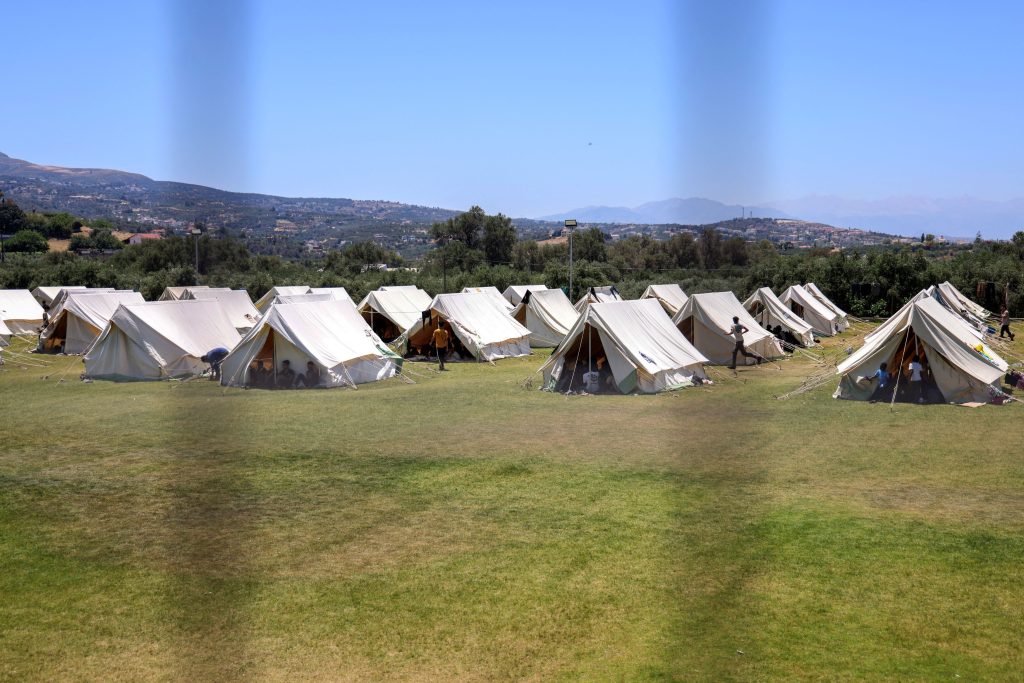
A view of a temporary migrants’ camp staged on a soccer pitch in the region of Rethymno in Crete island, Greece, June 24, 2025. REUTERS/Stefanos Rapanis
This scene is no longer unfamiliar to locals. Fishermen toss a thick rope to the migrants, who cling to it desperately, pulling themselves ashore after days at sea. Most are young men aged 16 to 35, cold, exhausted, and frightened. None are wearing life jackets. “Life in my country is very difficult,” says a young man from Sudan, one of the few sentences he can form in English as he waits to be identified.
Crete Under Strain
Gavdos and much of southern Crete — including ports like Agia Galini, Kali Limenes, Lentas, and Paleochora — are now receiving thousands of migrants. The ferry linking Gavdos to mainland Crete carries both tourists and migrants, but there is no designated space for the latter. They travel sitting on the floor of the vehicle deck, tightly packed, knees to chest.
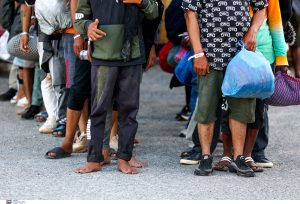
At the port of Rethymno, migrants wait in long lines for identification. Their phones are collected on a sheet spread across the asphalt. Exhausted, many collapse in the heat. Some faint. Red Cross workers provide first aid, but overcrowding has led to tension. A fight broke out on Wednesday afternoon — the trigger was a single towel being disputed by dozens.
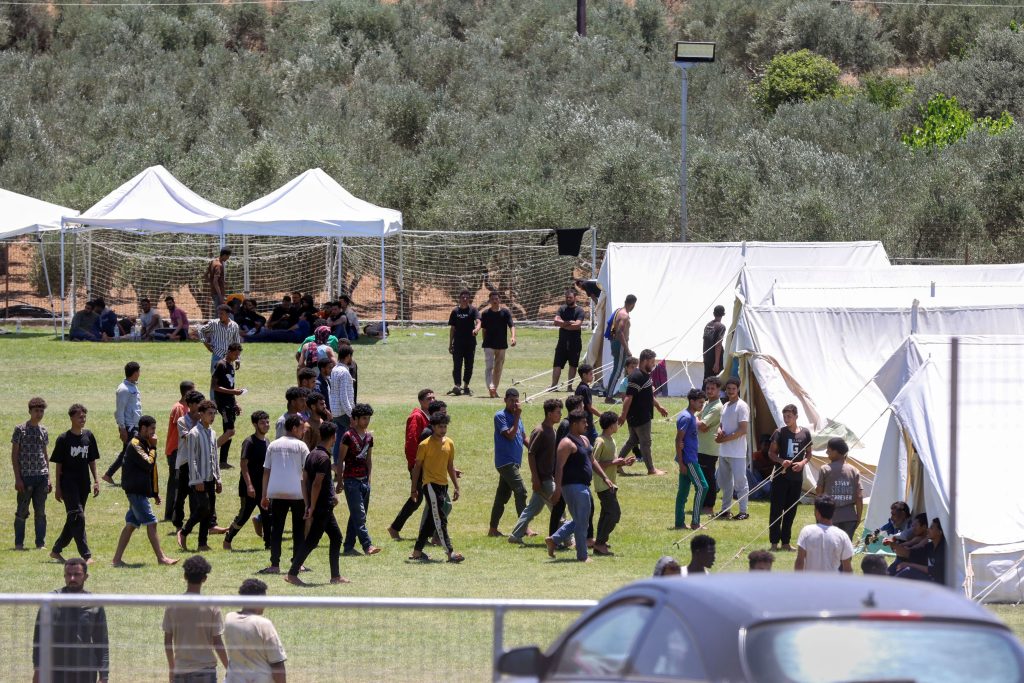
Migrants walk by tents at the temporary migrant’s camp staged on a soccer pitch in the region of Rethymno in Crete island, Greece, June 24, 2025. REUTERS/Stefanos Rapanis
“Human Warehouses”
The situation inside temporary shelters is grim. At the Agyia Exhibition Center, 850 migrants from 11 separate incidents were crammed together on Wednesday. Few women and children are among them. Mattresses cover the floor, and food piled in corners is beginning to spoil in the heat.
Vasilis Katsikandarakis, head of the Western Crete Coast Guard Union, explains how difficult it is to manage such density. “They can fight over a single croissant,” he says. Meanwhile, the mayor of Sfakia, Giannis Zervos, warns, “With Europe closing its borders, we are becoming a warehouse of people.”
Boats Made for One-Way Journeys
The flow continues. Fifty to sixty people are packed onto boats designed for ten. The vessels, often crudely constructed, are made for a single, one-way trip. Discarded personal belongings litter the harbors — the few items migrants managed to bring with them.
Hassan, waiting in line for food and water, shares his plan: “I want to go to Italy. For work.” The journey cost him €7,000. Others paid €3,000 to €5,000.
In the past ten days alone, Crete received as many migrants as during the entirety of 2024 — a 350% national increase. Local infrastructure is overwhelmed. Business owners outside registration centers express their frustration. “Take them into your own homes!” one shouts. “We’re a tourist island. Tourists are afraid and hiding.”
Government Responds with Tougher Measures
Migrants and refugees typically remain on Crete for only a few days before being relocated to other facilities across Greece, including Malakasa, Diavata, and Fylakio.
The government has responded to the surge with stricter policies. The Minister for Migration has described the influx as a “mass invasion” and proposed legislation to suspend asylum applications. The new stance: “Detention or deportation.”
Statistics show a wide range of nationalities:
- 29% from Afghanistan
- 21% from Egypt
- 13% from Sudan
- 8% from Bangladesh
- 5% from Eritrea
- 4% from Somalia
- 77% are adults, 23% minors
- 80% men, 20% women
Coast Guard on Alert
Greece’s Coast Guard, assisted by Frontex, navy frigates, air and ground forces, remains on high alert. Still, questions arise. “With two navy frigates guarding our seas, how are these arrivals still happening?” asks Gortyna’s mayor, Michalis Kokolakis.
Eastern Crete Coast Guard union president Giorgos Sfakianakis emphasizes the dedication of his team: “We are operating under extreme pressure — no fixed hours, no rest days. The burden shouldn’t fall on Coast Guard personnel alone.”
Geopolitical Context
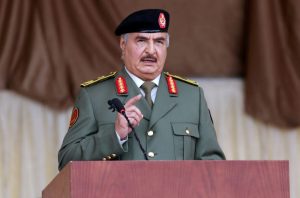
The situation is exacerbated by instability in Libya. Migrants and refugees are reportedly being used as leverage by Libyan forces. In Tobruk, thousands wait for a chance to cross into Europe — Greece being the gateway. Smugglers continuously adapt, finding new routes. Arrests of traffickers have risen by 146.5% compared to 2024.
As the crisis unfolds, Crete — long a symbol of hospitality and natural beauty — now finds itself at the heart of a humanitarian emergency. The island’s people, infrastructure, and institutions are all being put to the test.