Tensions erupted at a graduation ceremony at Aristotle University of Thessaloniki after relatives and friends of graduating students were denied entry under recently introduced attendance restrictions.
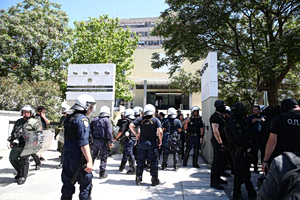
Videos circulating on social media showed frustrated family members gathering outside the ceremony venue on Thursday, with security staff preventing them from entering. Witnesses reported arguments and emotional scenes as parents, grandparents and friends were left outside.
The university recently introduced new rules limiting the number of guests each graduate may invite. Under the policy, every student is entitled to five guests, who must use digital invitations verified through QR codes.
University cites safety concerns
University officials defended the measures, saying they were introduced last November to address serious overcrowding during graduation ceremonies.
According to Vice Rector for International Relations, Outreach, Lifelong Learning and Student Welfare Iakovos Michailidis, previous ceremonies had become dangerously congested, with people reportedly fainting inside the hall due to overcrowding.
“We had incidents where people lost consciousness inside the ceremony hall. Lives were put at risk because no safety measures were in place. That situation could not continue,” he said.
Communication failures blamed
Michailidis attributed Thursday’s disruption to inconsistent implementation of the new rules by some university departments rather than to the regulations themselves.
He said departmental administrative offices are responsible for informing graduates in advance about guest limits and ceremony procedures, adding that the incident is being investigated.
According to the university, some departments submitted the final number of graduates only one or two days before ceremonies, making it difficult to manage attendance while complying with safety regulations.
Officials also noted that ceremonies can be split into smaller sessions when the number of graduates is particularly high to accommodate more guests safely.
University calls for cultural change
While acknowledging that the transition has not been seamless, the university said the new system has made graduation ceremonies more orderly overall.
Michailidis also criticized practices such as the use of flares and confetti during celebrations, arguing that they damage university facilities and create safety risks.
He called for cooperation from students, families and university departments to ensure future ceremonies are conducted safely and without similar incidents.