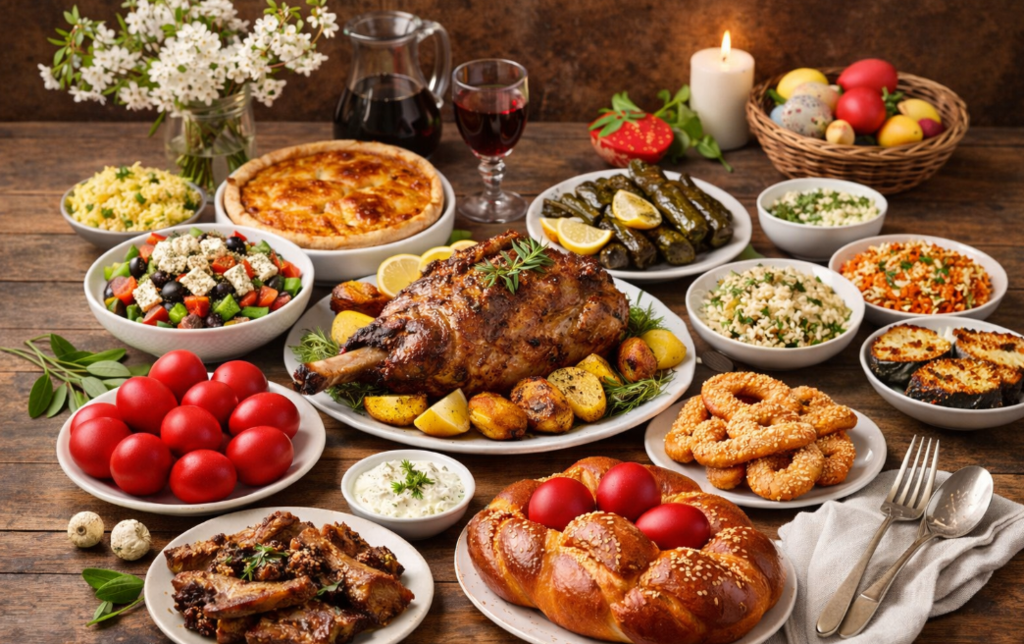
Easter in Greece is set to become significantly more expensive this year, as a combination of global energy pressures, domestic agricultural challenges and rising retail prices drives up the cost of traditional holiday foods.
Despite government efforts to contain prices through caps and support measures, households are facing a sharp increase in the cost of the Easter table, with key staples becoming increasingly unaffordable.
Energy crisis drives production costs higher
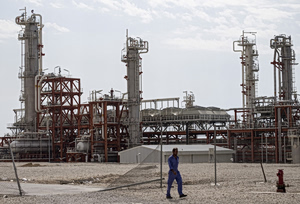
One of the main factors behind the price surge is the energy shock linked to tensions in the Middle East, which has pushed fuel prices higher and disrupted global supply chains.
The impact extends beyond transportation. The price of urea, a key agricultural fertilizer, has surged from $465 to $600 per ton within days, significantly increasing production costs for farmers. These higher costs are now being passed on to consumers.
Livestock sector under pressure
At the same time, Greece’s livestock sector is facing a severe strain due to disease outbreaks and supply disruptions.
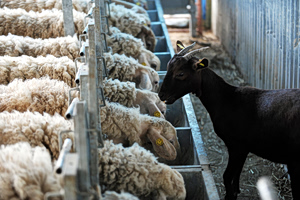
Nearly 485,000 animals have been culled in recent months due to livestock disease, while a confirmed case of foot-and-mouth disease on the island of Lesbos has led to quarantine measures.
The restrictions mean that around 70,000 lambs and goats will be missing from the market, tightening supply ahead of peak Easter demand and pushing prices even higher.
Retail prices continue to climb
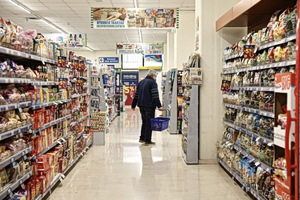
Market data shows that prices are already rising sharply. Beef has exceeded €20 per kilogram, while lamb and goat meat—the centerpiece of the traditional Easter meal—are starting at €14 to €16 per kilogram.
Increased transportation costs and ongoing uncertainty in supply chains are further contributing to the upward trend.
As a result, what is traditionally a central part of Greek Easter celebrations risks becoming a luxury for many households this year.