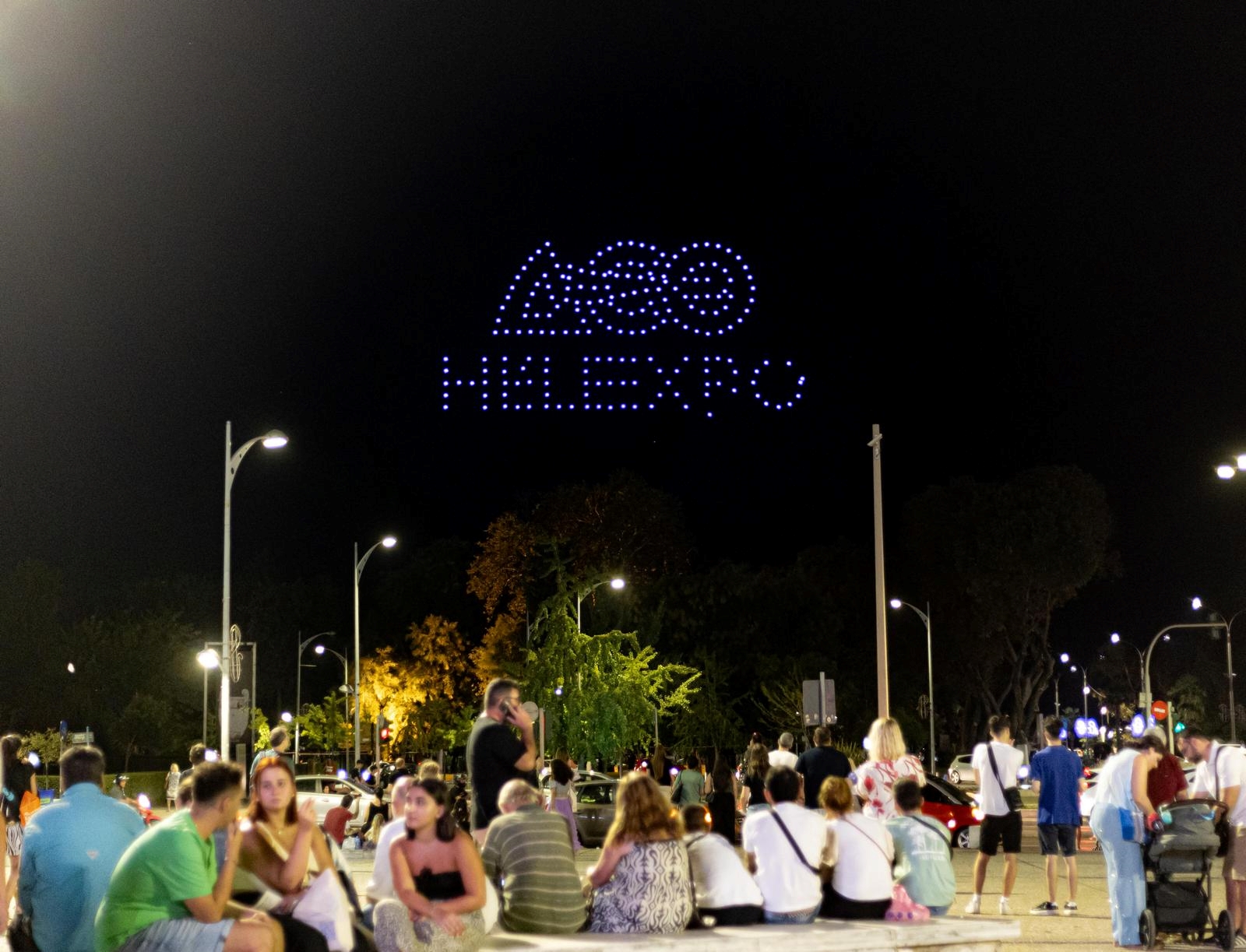
The greatest annual economic and political event in Greece, the Thessaloniki International Fair (TIF), this year celebrates its 100th anniversary.
In a departure from previous fairs, there will be no honoured country this year, so as to keep the focus entirely on the anniversary.
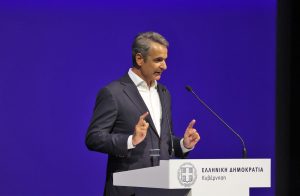
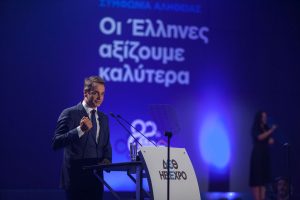
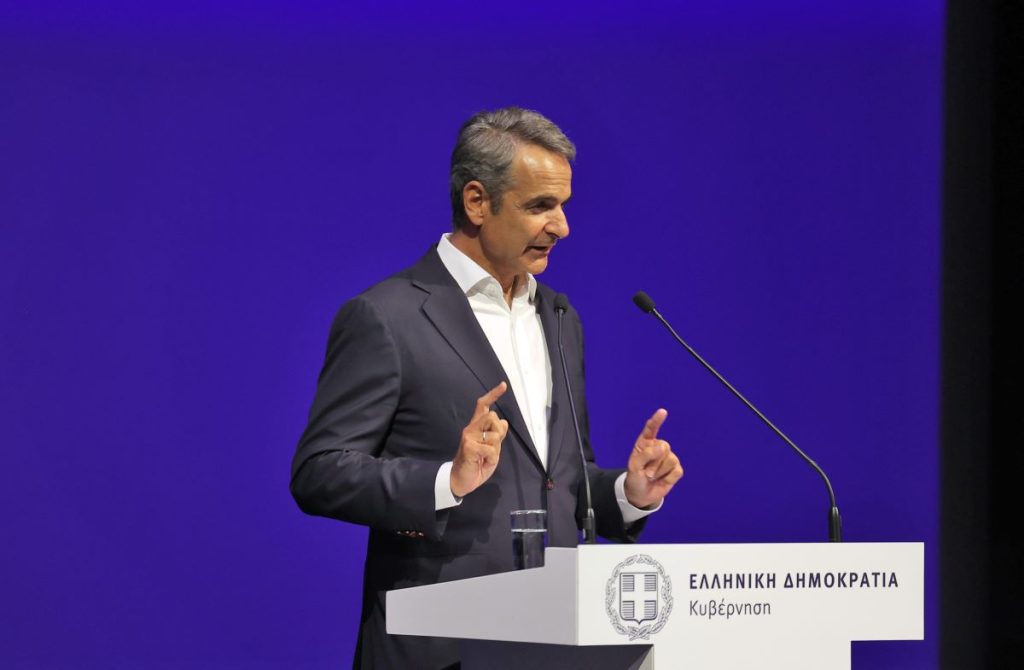
The celebrations will kick off on Saturday, September 6, with Prime Minister Kyriakos Mitsotakis’ keynote speech to industrialists, entrepreneurs and politicians, and will run through Sunday, September 14.
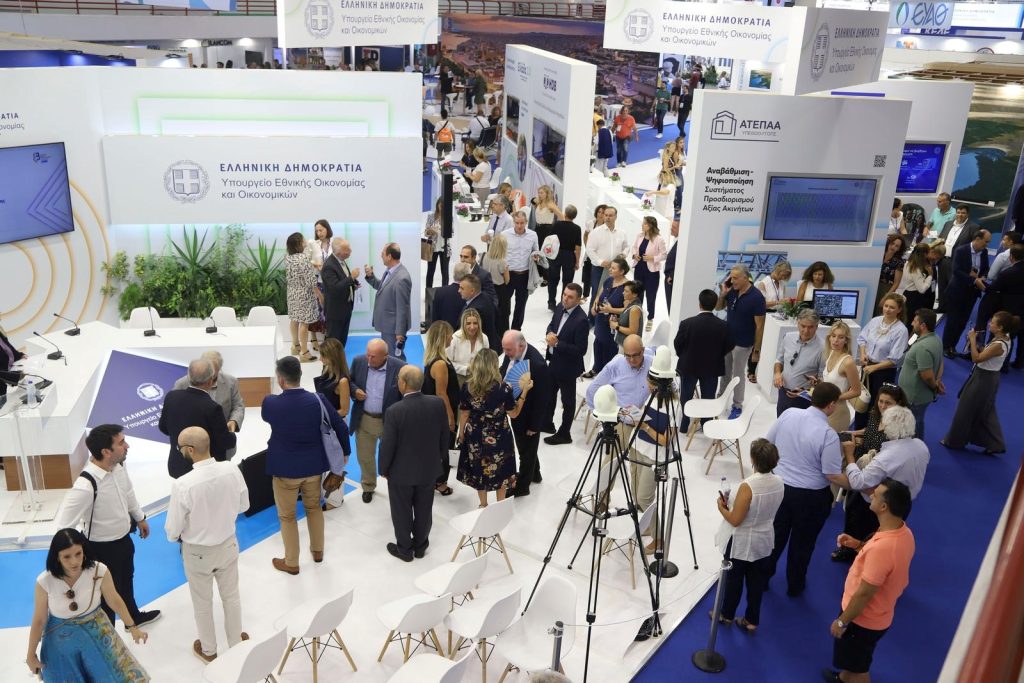
“Our mission is to boost Greek production and innovation so as to become interconnected with the global market,” TIF’s mission statement notes.
This year’s fair is the 89th, since there were certain breaks during WWII and other periods.
The fair is predominantly economic in nature, including trade and commerce, with the participation this year of 19 countries and over 1,070 enterprises and institutions ranging in size from SMEs to corporations and in sector from energy and automobiles to major international tech companies.
The history
“TIF began in a context different from today’s. It was a place fοr commercial encounters, communications, and exchanges which were much more difficult at the time [1920s],” Panagiotis Takopoulos, Professor of Economics at the Athens University of Economics and Business, told tovima.gr/International. He notes that, down the decades, sectoral trade fairs have to some extent supplanted the impact of TIF, which is now seeking a new footing.
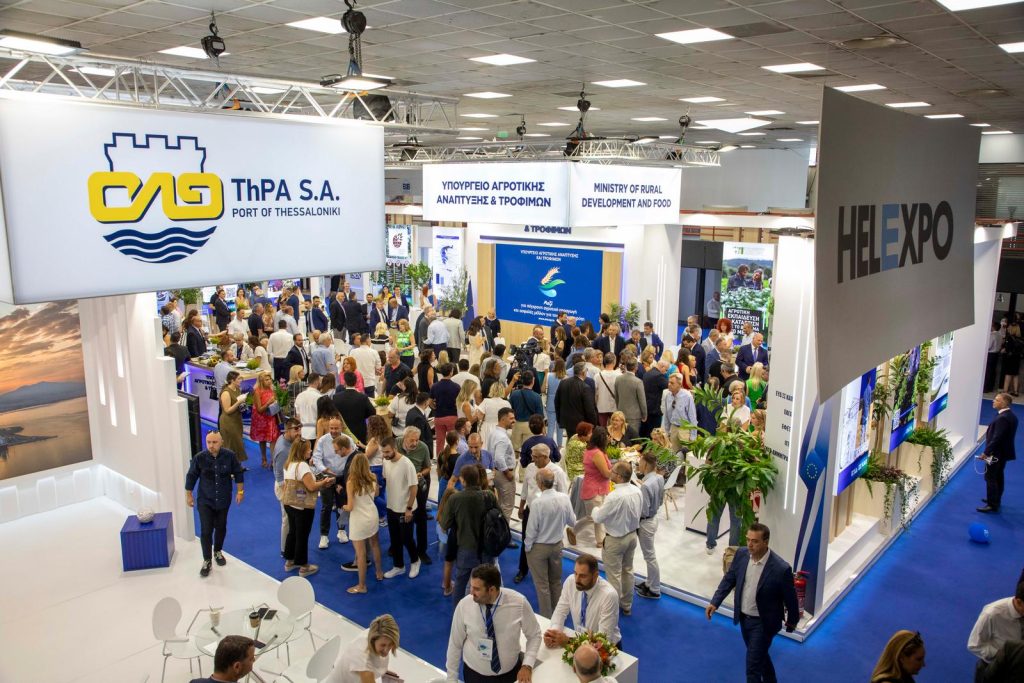
All eyes on PM’s unveiling of Government’s 2026 programme
Still, the event’s focal point each year, eagerly awaited by businesses and social groups, is the keynote address by the sitting prime minister.
The speech is essentially an economic state of the union address, which also touches on a wide range of governmental activity in various areas, including foreign policy and immigration, on which the government prides itself on adopting a particularly tough stance.
The PM will combine a review of the economic and other accomplishments of the last 12 months with a presentation of the government’s programme for the coming year, and especially of more popular measures.
Nearly 2bn Euro tax cuts and spending package
Citizens from all social strata and economic sectors eagerly await the announcement of the basket of measures and handouts – from tax cuts to social spending increases in areas such as pensions and healthcare – that is the focal point of the speech for them.
This year, a main plank will be economic relief for families, with increasing tax cuts and other measures for each additional child, plus some wage hikes.
All in all, the government is expected to spend nearly two billion euros on these and other measures, even as it is obliged to implement strict fiscal discipline.
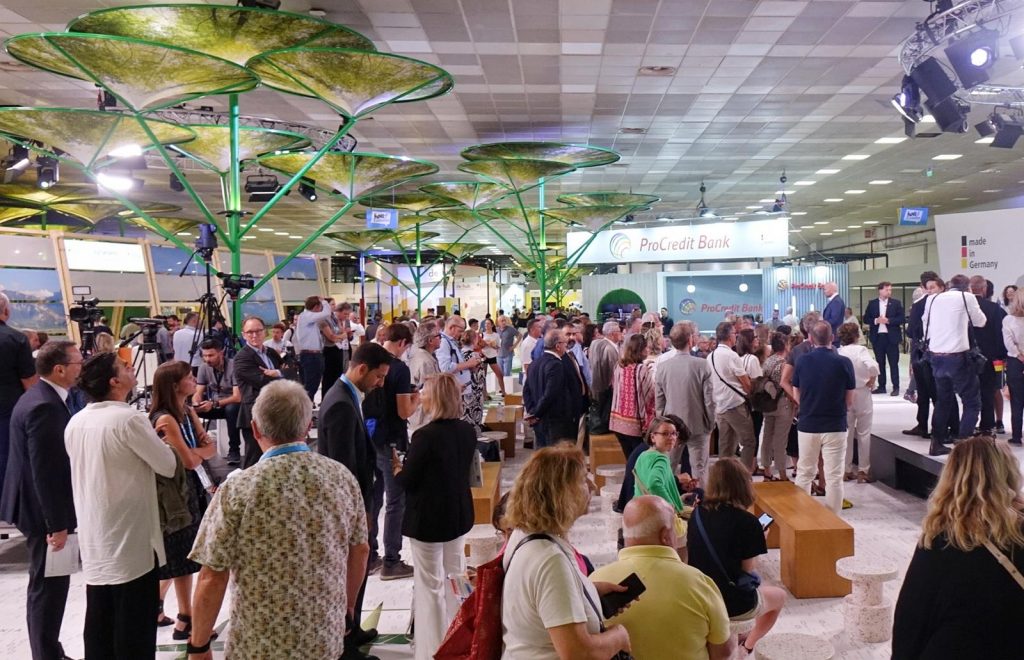
Economic relief measures for families
The government’s planned measures are intended to relieve the crushing financial burdens on the middle class and economically lower social strata, which have been battered by inflation and the skyrocketing cost of living, from groceries to steep rises in housing costs, for which they in part blame the government. An exceptionally large number of families find it extremely difficult to make it to the end of the month on their existing income.
The relief will be provided through indirect tax cuts, wage hikes for certain groups, and other measures intended to benefit the middle class.
Many of these measures have already been leaked to the press, but PMs often save a positive “surprise” announcement for their address.
PM to stress need for stable government amidst global turbulence
Mr. Mitsotakis is expected to offer a detailed account of how he views current international crises – from the war in Ukraine (Greece’s unswerving support for Kyiv has even included military aid) to the need to press for a durable peace between Israel and the besieged Palestinian people.
With just a year-and-half before the next general election, the PM will once again declare the need for a strong government to navigate rough international seas.
All the opinion polls, however, indicate that ruling New Democracy is a very long way from the roughly 36 percent of the vote needed to secure one-party rule.
That, in all likelihood, means a coalition government is inevitable after the next election. Though the government’s term ends in 2027, some analysts do not rule out a snap election in the coming year.
In that context, the required stability would come from the convergence of programs between New Democracy as first party and other potential partners in a cohesive coalition.
Full court press for PM’s news conference
The day after the speech, on Sunday, the PM holds the largest – nationally televised – news conference of the year, in which he will be grilled on the previous day’s announcements and the government’s economic and broader political record over the past year.
In the weeks after that, all parliamentary party leaders normally give a televised Sunday news conference, starting with main opposition PASOK leader, Nikos Androulakis.
TIF as an accounting of government economic policy
“TIF is an opportunity to assess the current position and state of the economy on an annual basis – to evaluate the progress that has been made, but also to identify potential weaknesses and how those can be fixed,” Nikos Vettas, the general director of the prestigious Foundation for Economic and Industrial Research and a professor of economics at the Athens University of Economics and Business, told tovima.gr International.
“Regarding the former, Greece has been on a fairly robust recovery path over the last few years, stronger than the eurozone average, so it is important to see the progress that has been made.”
Tax cuts not a transfer
“At the same time, there is still a need to strengthen productivity in value, and in that direction the various measures the prime minister is expected to announce can be useful. Any fiscal intervention, in particular regarding income tax, as is expected, should not be viewed as a transfer, but mainly as a way to strengthen participation in work, and gradually shift the Greek economy towards a higher value,” Vettas underlined.
Measures with fiscal discipline
Vettas also stressed the need for continued fiscal discipline.
“Naturally, for a country that has been through a deep crisis, starting 15 years ago, fiscal stability is non-negotiable. However, putting the country on a higher growth trajectory and facilitating higher value production is indeed a prerequisite for fiscal stability in the future.”
Annual GDP growth in Greece has been consistently more than two percent in real terms, whereas it is less than that in the EU overall.
“This has allowed a robust primary budget surplus and the reduction of public debt, so the budget has been executed better than expected. Receipts are higher than expected, and that does create an opportunity to return some of these receipts to the taxpayers,” Vettas concluded.