
Hunger strikes are one of the most extreme ways to demand justice. Usually an act of desperation, a last resort when every other path of protest feels closed, leaving only the refusal of food as a weapon.
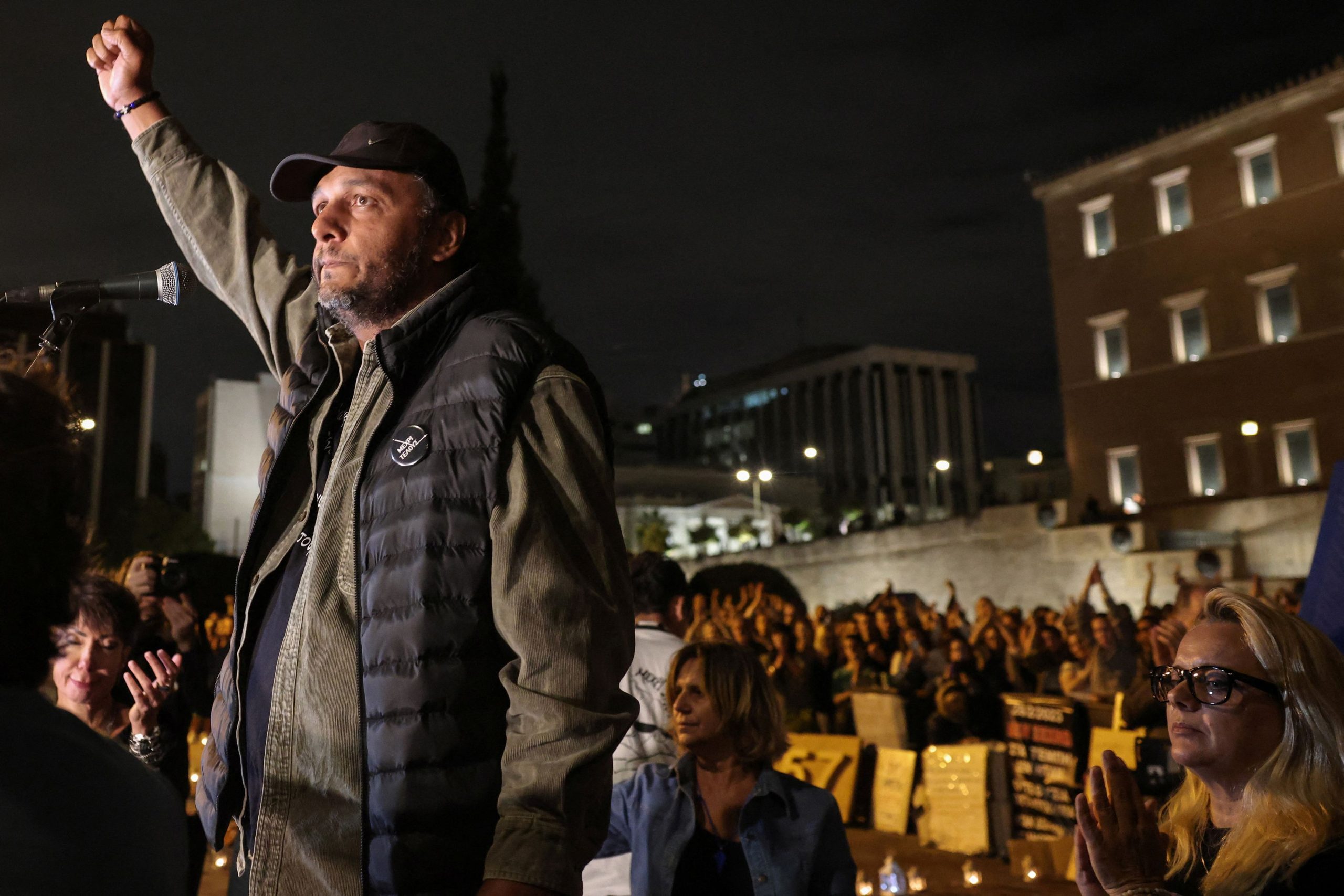
Panos Ruci, the father of 22-year-old Denni who was killed in the 2023 Tempi railway disaster crash, begun his hunger strike 15 days ago and is refusing food until authorities allow a full forensic examination of his son’s remains. According to MEGA tv channel, the physician monitoring him noted that Ruci has lost more weight than expected and that his condition is being further strained by remaining actively on his feet and interacting with supporters rather than resting. Public support for Mr Ruci, who has remained in Syntagma Square for the last two weeks, has swelled. Each day, people queue to sign books of solidarity, but his act of resistance carries serious, life-threatening risks.
What Happens Inside the Body?
Doctors describe the journey of a hunger striker in phases:
The first days (24–72 hours): The body burns through its glucose reserves. Hunger pangs gradually fade, and blood sugar drops before stabilizing.
From day three onward: The liver begins breaking down fat into ketones to fuel the brain. Dizziness, headaches, and mood swings set in, and lethargy deepens.
After two weeks: Vitamin deficiencies cause neurological problems. Other symptoms include difficulty walking, low heart rate, vision disturbances, and extreme weakness. Simply standing up becomes a struggle.
Three weeks and beyond: Weight loss reaches almost 20 percent. Organ function declines, swallowing and breathing become difficult, and infections spread easily. Psychological changes, such as confusion and even aggression, may appear.
After 40–45 days: The risk of death is very real, mostly due to infection or cardiovascular collapse. The body begins consuming its own muscles and vital organs, leading to cardiovascular collapse or fatal infection.
In cases of “dry” hunger strikes, where water is also refused, survival is even shorter: acute dehydration can cause seizures, coma, and brain damage within days.
After the hunger-ends:
Even when a hunger strike ends, recovery is dangerous. Reintroducing food too quickly can trigger refeeding syndrome, a potentially fatal shock to the system. For this reason, nutrition must be restored gradually under medical supervision.
A Global History of Hunger Strikes as Protest
The modern history of hunger strikes begins in Russia in the late 19th century. In 1878, political prisoners held in St. Petersburg’s Peter and Paul Fortress stopped eating to protest brutal prison conditions. In Siberia, women prisoners later joined similar strikes, showing remarkable solidarity despite their small numbers. One such episode, remembered as the “Kara tragedy,” ended in death for some of the strikers and led to the closure of the prison.
The tactic crossed borders quickly. In Britain in 1909, suffragette Marion Wallace Dunlop staged a hunger strike after being jailed for political protest. She refused food for 91 hours, prompting her release out of fear that her death would win sympathy for the movement. Other suffragettes followed, turning the refusal to eat into a signature method of resistance. Authorities responded with force-feeding, a practice that stirred outrage and debate about the limits of state power.
Perhaps the most famous hunger striker of the 20th century was Mahatma Gandhi. Over the course of India’s independence struggle, Gandhi undertook at least 17 fasts, some lasting weeks. His longest stretched to 21 days. These strikes were never simply about personal sacrifice; they were designed to dramatize injustice and channel moral pressure against colonial authority.
But hunger strikes also carry the risk of martyrdom. In Northern Ireland in 1981, ten men, including Irish Republican Army member Bobby Sands, starved themselves to death while demanding recognition as political prisoners. Sands lasted 66 days. His death ignited international headlines and became a symbol of uncompromising resistance, but it also showed how hunger strikes can leave behind both political momentum and personal devastation.
In more recent times, the method has not disappeared. Indian activist Irom Sharmila held what is believed to be the longest hunger strike in history, refusing food for 16 years to protest military abuses. For more than a decade she was kept alive by force-feeding through a nasal tube, her body turned into a site of both defiance and control.
As Panos Ruci continues his hunger strike in Athens, he joins a long line of hunger strikers who have forced societies to look at injustice through the frailty of the human body.