One of the biggest concerns travelers have when planning a trip to Greece is whether they will be able to communicate. We’ve all been to places where locals either don’t know any English or are unwilling to speak. Well, thankfully, Greece is not one of those places. On the contrary, Greeks are among the most fluent non-native English speakers in the world! Which will make your life and travels so much easier and more enjoyable.
So yes, the good news is that most travelers can get around Greece surprisingly easily without knowing Greek.
Welcome to “All About Greece”, part of “TO BHMA International Edition Travels Greece With You” series. Here we answer your questions and introduce you to this wonderful country we call home and you call vacation!
Do People in Greece Speak English?
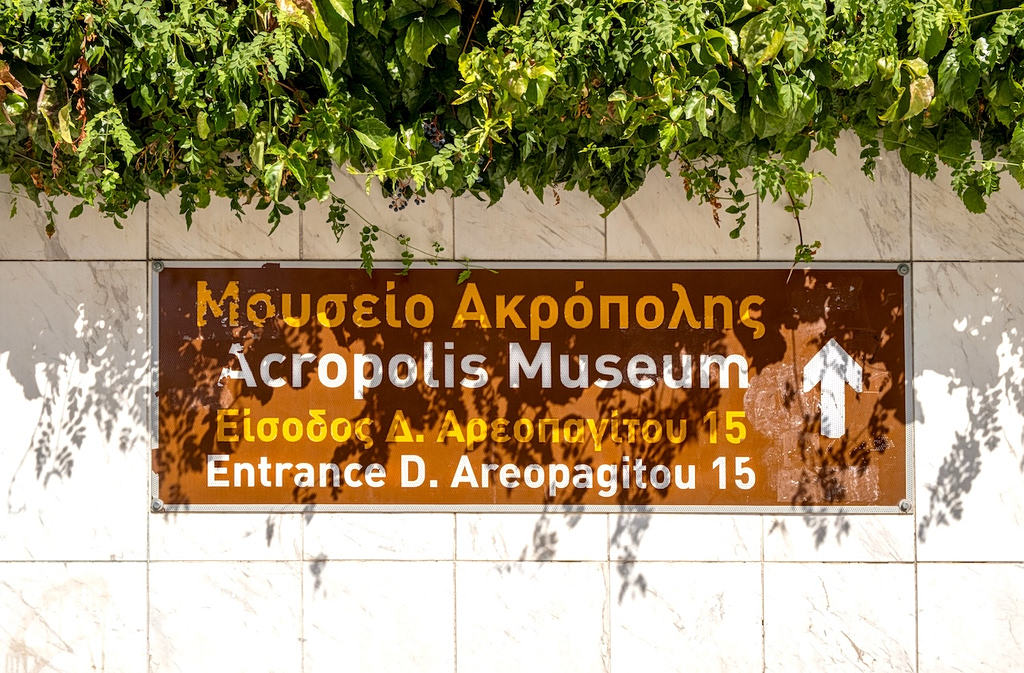
Yes, they do. Especially in big cities and popular tourist destinations. So this means that most people working in hotels, restaurants, shops, and transport services speak good English. In places like Athens, Thessaloniki, and on popular islands like Crete, Mykonos, Santorini, Corfu and Rhodes, communication is rarely an issue.
You’ll also find it easy to navigate the country, whether by car or public transport, as signs and public information are often available in English.
This also applies to menus and services. Just think, Greek islands like Corfu, Rhodes, Santorini and Mykonos, have been offering hospitality to tourists since the early 1960s, so English is practically the second language there.
Where You Might Need Basic Greek
So while English is almost a second language in Greece – most of us learn it at school – there are instances where you might need some basic understanding of Greek or at least a handy translation app to get by.
For example, although people in the large popular resort towns of Crete speak English, those living in remote villages in the mountains may not. The same goes for those working at local bakeries, markets or family-run tavernas. So if you want to buy homemade cheese in a village in southern Crete or chat with older locals, then a bit of Greek or some pointing and using gestures is your best bet. And it will work, because Greeks are always incredibly hospitable, friendly, and eager to communicate in whatever way.
Is It Easy to Get Around Without Greek?

Absolutely. Greece has been welcoming travelers from across the globe for more than half a century and remains one of the world’s most popular travel destinations. All major transportation systems use English signage with the exception perhaps of local bus routes in lesser known destinations. Island-bound ferry routes from Piraeus and Rafina are clearly marked in English and staff onboard ferries or at hotels, cafes, bars, car rentals and restaurants speak English. Information at archaeological sites and museums is also in English and guided tours are widely available.
Greek Hospitality: Stronger Than Words

Photo: Ariadni Papanastasiou
More than 50 years ago, when few Greeks spoke English, it was the country’s renowned hospitality that bridged the gap serving as a universal language of sorts. Back then, travelers simply smiled… and Greeks just did their thing. They offered the best they had to offer… food, accommodation, some vegetables from their gardens, a homemade sweet with Greek coffee, and directions by showing or taking them there themselves.
So, do you need to speak Greek to visit Greece? No, you don’t. But just for fun you could learn a few words to connect. Start with: “Kalimera” (good morning), “efcharisto” (thank you), “parakalo” (please or you’re welcome), “nai” (yes), and “ochi” (no). These might not make you fluent but they will definitely get a warm smile from the locals.
*Send your questions to Maria Paravantes at mparavantes@tovima.com