Greece’s winter tourism market is sending encouraging signals ahead of the Carnival and Clean Monday long weekend, offering much-needed financial relief to mountain and mainland destinations after a demanding season. Accommodation bookings are running high, with occupancy rates in popular areas approaching or even exceeding 90 percent.
Yet, despite strong visitor numbers, tourism revenue paints a more nuanced picture as average spending per traveler continues to decline.
Industry professionals note that while Greeks and foreign visitors alike are still eager to travel, many are tightening their budgets. Visitors increasingly opt for shorter stays and more economical accommodation packages, while cutting back on dining and leisure activities. Rising living costs appear to be reshaping travel habits, meaning that businesses are not fully benefiting from the surge in weekend and holiday traffic.
According to hospitality representatives, the challenge is no longer filling rooms during festive weekends, but ensuring visitors actually spend enough locally to sustain businesses. Even organized group trips now tend to limit outings and entertainment spending, reducing income for restaurants and local attractions.
Demand remains especially strong in traditional Carnival destinations, where cultural festivities draw large crowds. Cities known for their vibrant celebrations are nearing full occupancy, confirming that Carnival remains a key driver of domestic tourism thanks to its blend of cultural events and affordable short breaks.
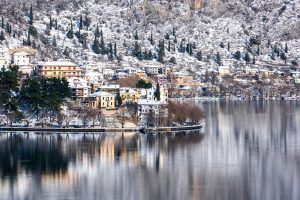
Last-minute bookings are also boosting demand, as travelers who skipped Christmas holidays are now choosing to travel. Mountain destinations show mixed performance depending on snowfall levels. Resorts close to major cities continue to record high occupancy, benefiting from easy access and flexible travel options.
However, regions that experienced limited snowfall this winter saw reduced activity due to fewer operating days at ski centers, directly affecting local revenues. In contrast, other mountainous areas report near-full occupancy, supported by successful winter events and travel agency group bookings.
Beyond the current season, industry leaders argue that Greece faces a strategic challenge: attracting more international visitors during winter. Competing destinations offer stronger snow-based attractions, so Greece must diversify its winter tourism offering. Investments in infrastructure, expanded experiences beyond skiing, and creative destination branding are seen as crucial steps to ensure the country remains competitive and appealing throughout the colder months.