Year-round tourism is no longer just a strategic ambition for Greece; in several regions, it is steadily becoming reality.
Major urban centers, regional cities with strong conference and business activity, and destinations offering diverse tourism experiences are showing growing resilience to seasonality. At the same time, even traditionally summer-focused resorts are extending their operating periods, with flights starting earlier in the year and tourism activity increasingly stretching into autumn.
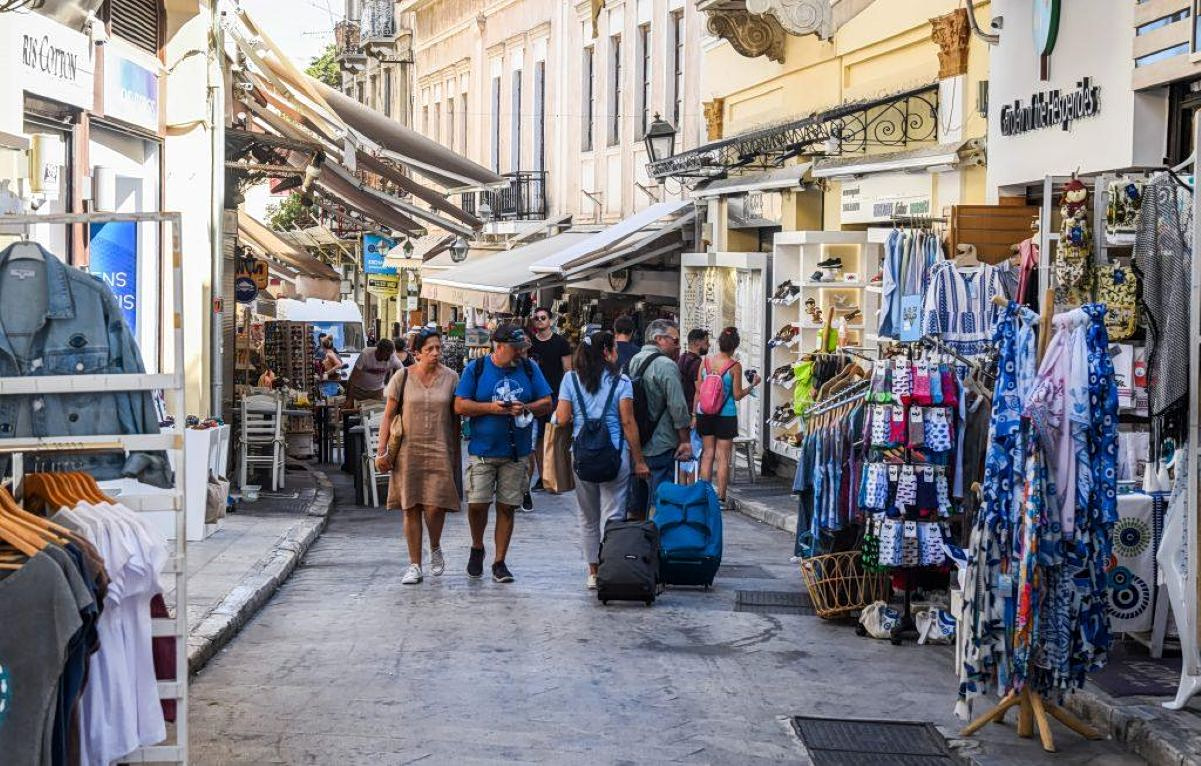
Industry stakeholders note that year-round tourism does not imply uniform demand throughout the year. Instead, it reflects longer operating seasons, better use of infrastructure, and a gradual smoothing of tourism flows.
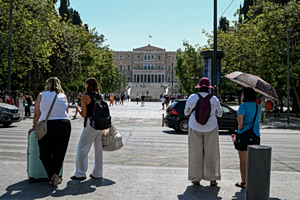
Athens is leading Greece’s shift toward year-round tourism, with hotels posting modest gains in 2025, according to the Athens News Agency, underscoring the capital’s steady progress as a twelve-month destination. Annual benchmarking data from the Athens-Attica & Argosaronic Hotel Association show performance indicators continuing to rise, albeit at a more moderate pace following the strong post-pandemic recovery.
Demand has improved notably during traditionally quieter periods, especially at the beginning and end of the year. While occupancy rates remain strong compared with other European capitals, average room prices still lag behind competitors, pointing to further room for upgrading the city’s tourism product.
Continued investment in infrastructure, urban image, and visitor experience—alongside growth in conference, cultural, and city-break tourism—is expected to further curb seasonality and support more sustainable tourism development.
Thessaloniki is also extending its tourism season, now attracting visitors for around ten months a year, with slower demand mainly limited to the period between late November and late January, apart from the Christmas holidays, according to the city’s hotel association.
Key source markets include the United States, Turkey, Israel, Germany, Cyprus, and neighboring Balkan countries, while efforts continue to expand into Western markets and spread tourism revenues more widely across the local economy, including hospitality and dining.
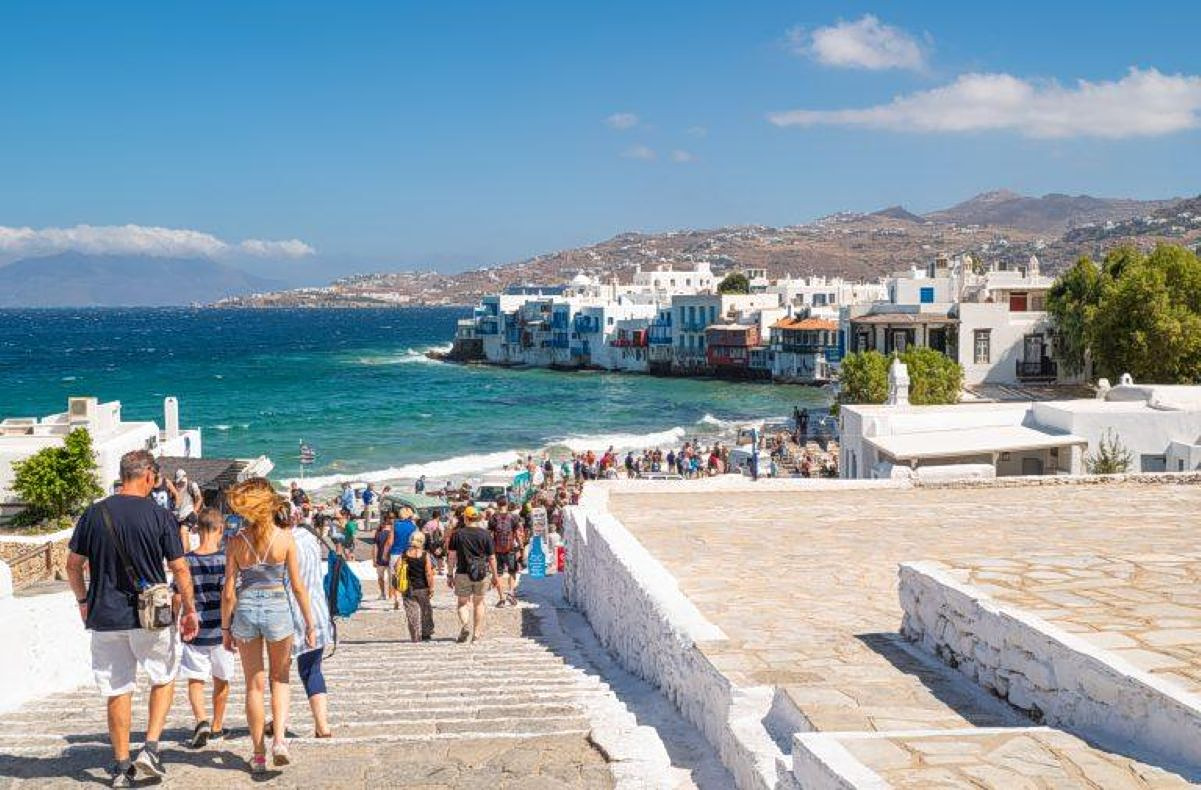
Alexandroupoli is emerging as a year-round destination, drawing visitors mainly from Turkey and the Balkans. Mayor Ioannis Zampoukis credits targeted promotion, partnerships, and strategic planning for the city’s growing tourism momentum.
Similarly, Ioannina now sees activity for about ten months a year, boosted by conferences, business events, and the university. Summer visitors are mostly international, while winter demand comes from nearby markets like Albania. Airport upgrades and potential new conference facilities could further strengthen its position.
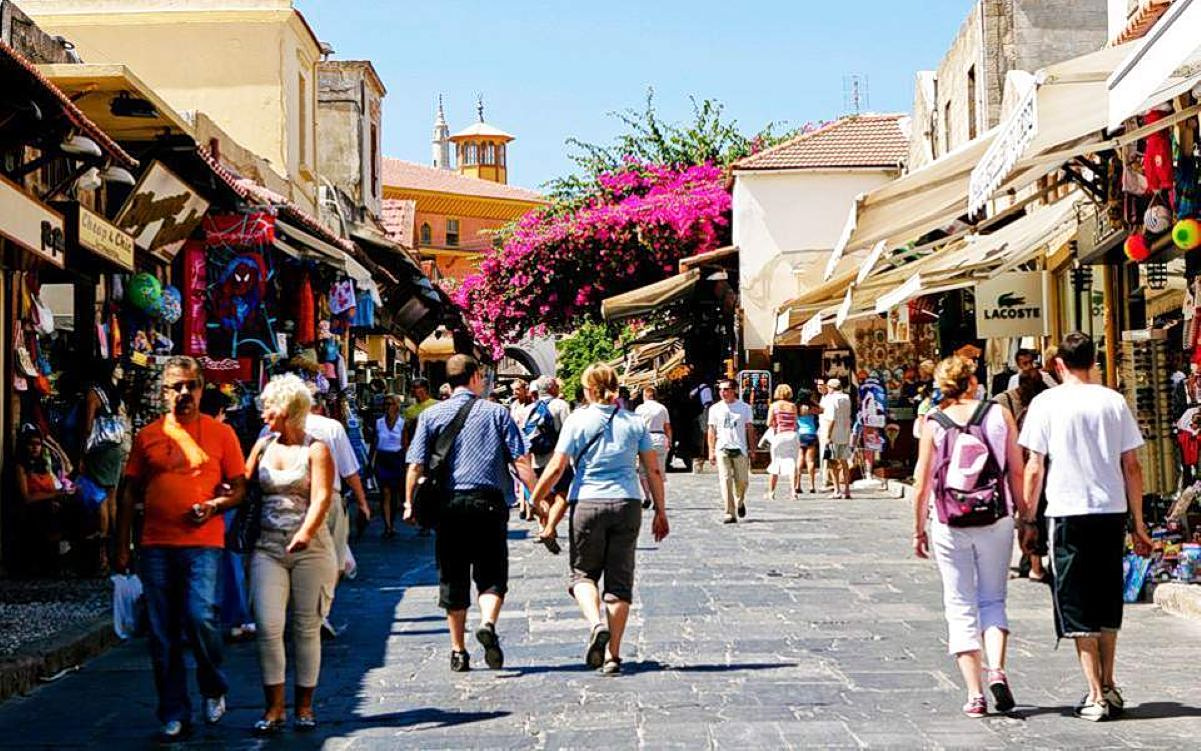
The Peloponnese also shows promise for extended tourism, with destinations such as Kalamata, Nafplio, Loutraki, and Corinth leveraging diverse coastal and inland attractions, mild climate, cultural heritage, and improving infrastructure. Recent studies suggest the region can shift toward year-round tourism by better utilizing existing resources rather than expanding accommodation.
Kalamata Airport exemplifies this trend, with flights now operating from late February through November.