A symbolic train journey to Kalamata has revived hopes for the long-dormant Peloponnese railway network in southern Greece, with government-backed plans now under discussion for the pilot reopening of part of the historic meter-gauge system after more than a decade of inactivity.
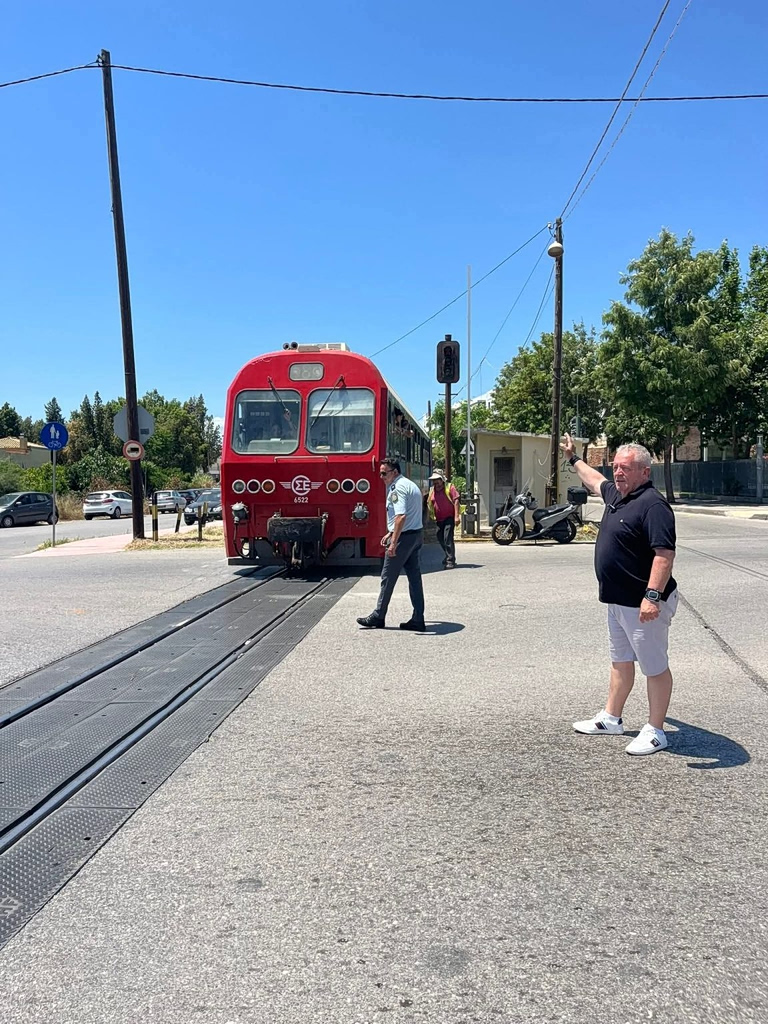
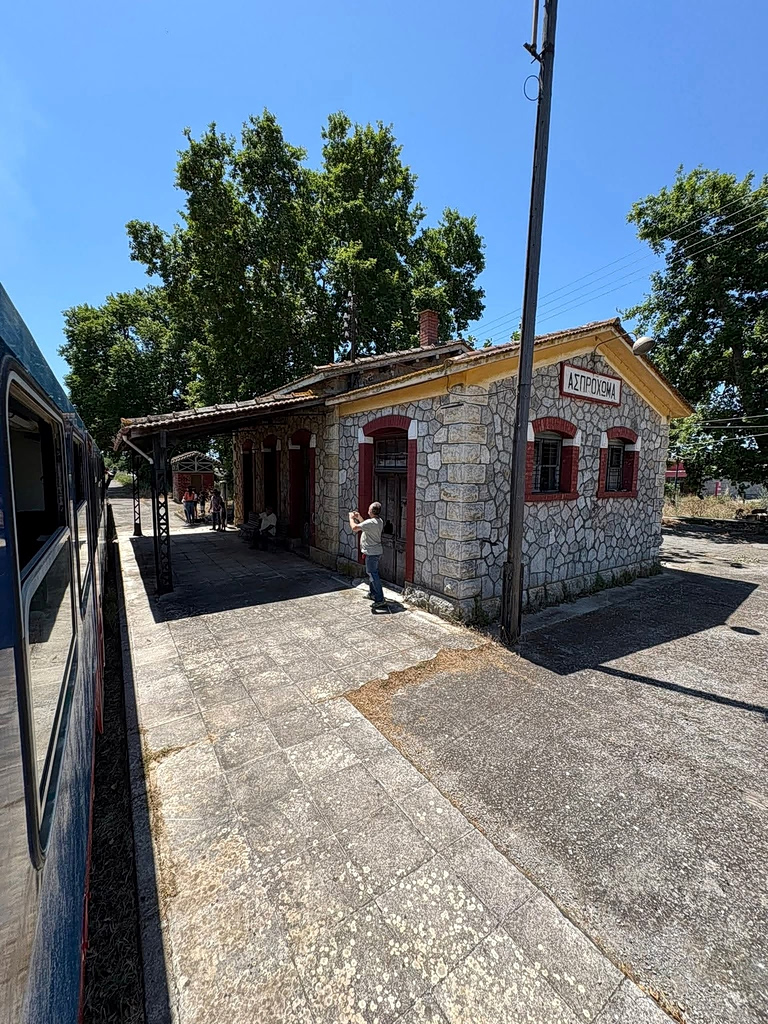
Local officials, rail enthusiasts and residents gathered over the weekend for a special service between the Asprochoma stop and Kalamata’s central railway station, marking the first such operation in years and highlighting growing momentum behind efforts to restore sections of one of Europe’s largest narrow-gauge rail networks. Most passenger services on the Peloponnese system were suspended during the first phase of Greece’s severe financial crisis in 2010-11 and have remained largely dormant ever since.
The strongest signal yet came from the Hellenic Society for Environment and Culture (ELLET), which said it had received assurances from Deputy Transport Minister Konstantinos Kyranakis that the government, in cooperation with the Peloponnese regional administration, would support a pilot railway operation on a line to be selected in the coming months. According to organizers, state funding would accompany the initiative.
Attention is focused on two candidate routes: Kalamata–Messini–Diavolitsi and Corinth–Argos–Nafplio. Both lines are viewed as capable of serving local transportation needs while supporting tourism in some of the Peloponnese’s most visited destinations.
The announcement coincides with the launch of feasibility studies and a business plan being developed under a Greek-Swiss initiative that has gained increasing visibility over the past two years.
The project, supported by Swiss railway specialists and academic institutions, aims to assess the commercial viability of restoring selected sections of the network and integrating passenger, tourist and eventually freight services. Swiss participants have argued that the railway represents a major underutilized infrastructure asset with significant development potential.
The initiative has received backing from local authorities in both Messinia and Argolis (Argolida) prefectures, respectively.
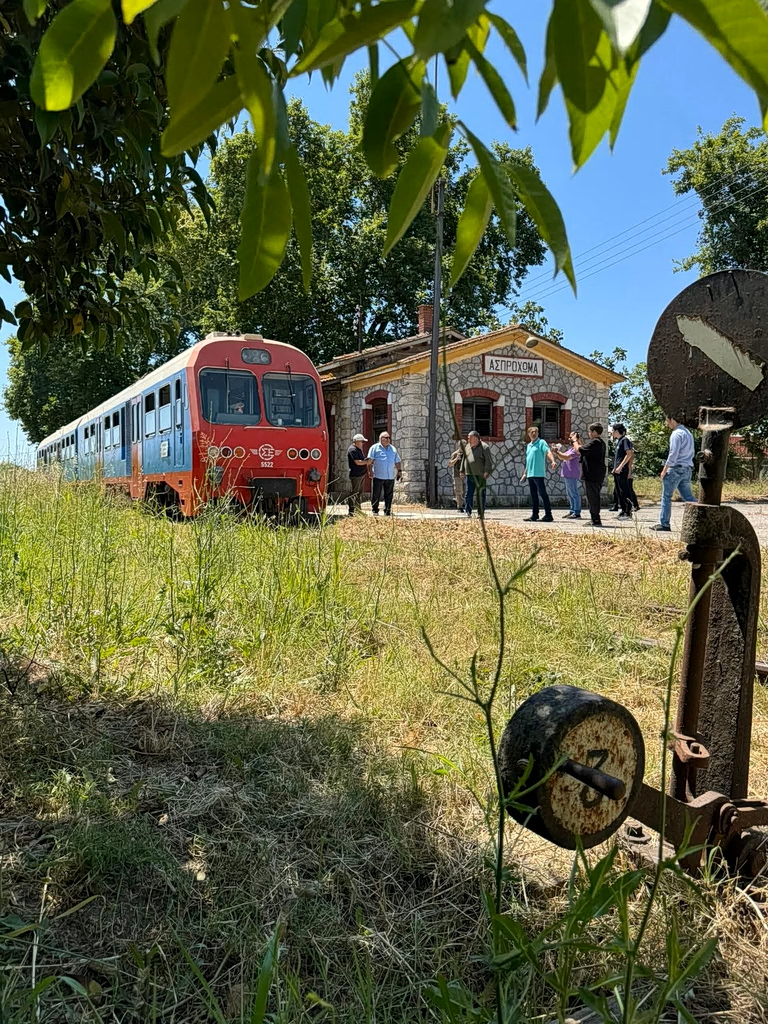
On his part, Kalamata Mayor Thanasis Vasilopoulos reiterated municipal support for reopening the railway, describing it as a key component of the city’s sustainable mobility and climate-transition strategy. Similar calls have emerged from the picturesque resort town of Nafplion and other municipalities seeking improved regional connectivity and tourism development.
Parallel proposals are also under consideration from a Greek-German consortium linked to Nossen-Riesaer Eisenbahn-Compagnie, which has expressed interest in operating parts of the meter-gauge network. The plan envisages a phased revival of services, beginning with tourism-oriented routes before expanding to regional passenger operations and eventual integration with Greece’s broader rail system.
In a statement issued after the event, OSE said the special Kalamata service was intended not as a nostalgic gesture but as a demonstration that sections of the network can once again play an active role in regional development. The state-run rail infrastructure manager said any reopening would proceed under strict safety requirements while aiming to improve mobility and economic opportunities across the Peloponnese.
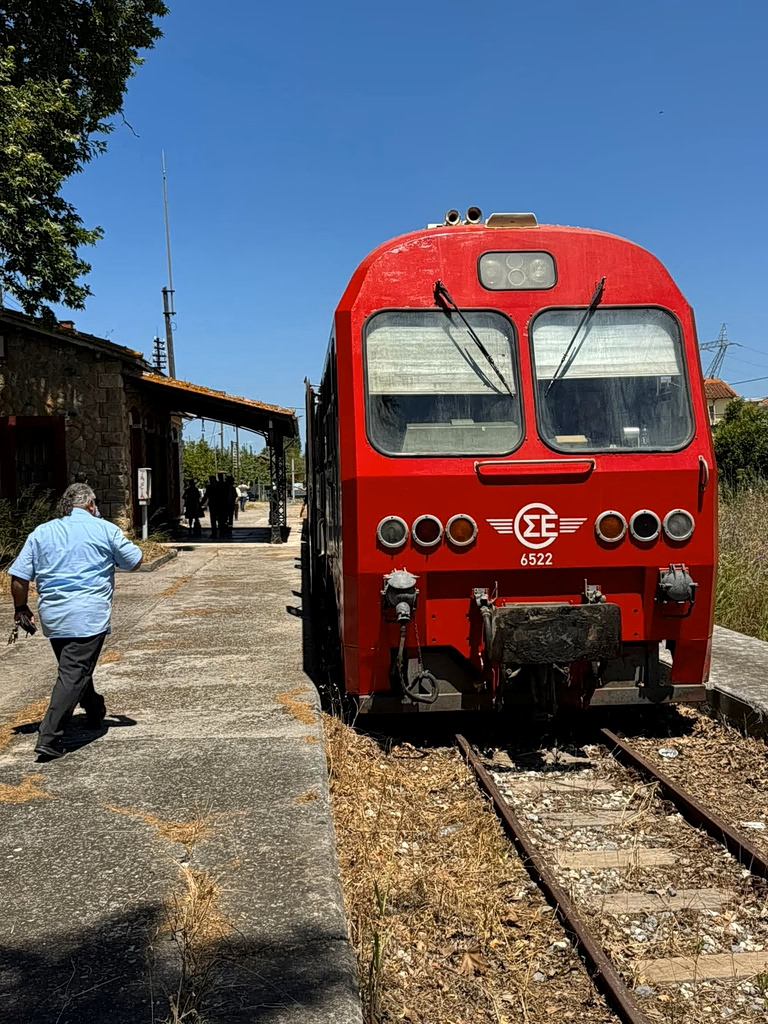
For supporters of the project, the weekend’s symbolic return of the train to Kalamata marked the clearest indication yet that a railway network silent for more than a decade may be edging closer to a revival.