
 Μake us preferred on Google
 NEW DELHI—The leaders of India’s “Cockroach” protests said their supporters wouldn’t retreat even after an activist who galvanized the large-scale demonstrations ended a hunger strike on Friday after winning concessions from the government.
“We will not step back,” said Abhijeet Dipke, whose Cockroach Janta Party movement has channeled anger over a broken university entrance exam and lack of jobs into the biggest challenge to Prime Minister Narendra Modi in years.
Hunger striker Sonam Wangchuk, a 59-year-old activist, lost some 20 pounds during his 26-day protest. Police forcibly took him to the hospital days before he was set to lead a protest march on Monday in the Indian capital.
Police banned the march but thousands turned out anyway, in some cases clashing with police who responded with batons and tear gas. Protest leaders said dozens of protesters were injured, while police said that nearly 120 police and paramilitary personnel were hurt.
Wangchuk said on social media that he decided to end his fast after government officials met him at the hospital and pledged to refrain from bringing police complaints against protesters over the clashes.
A video posted by Wangchuk showed government officials lined up along his hospital bed as India’s health minister promised compensation for students who took their lives in connection with a botched undergraduate medical school exam this year, and to hold “threadbare discussions” in Parliament on exam-paper leaks.
In India, competitive exams are the path for millions to subsidized college spots or government jobs, amid a shortage of well-paying private jobs. But many exams are canceled because of cheating allegations. Some families pay tens of thousands of dollars for access to exam papers in advance, a lucrative business for cheating gangs.
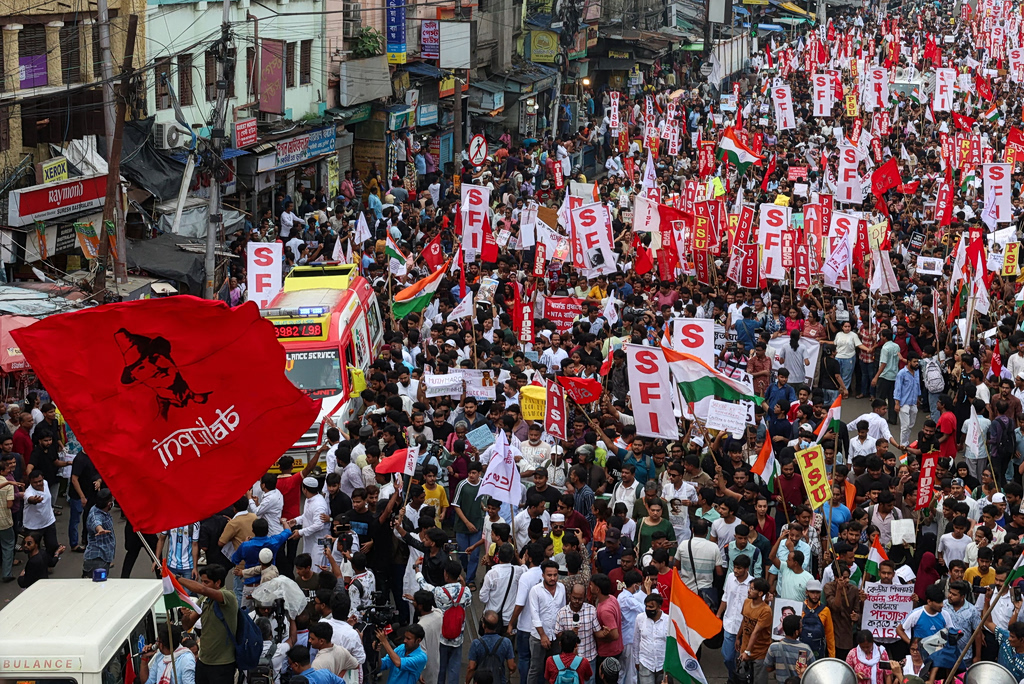
People gather in solidarity with Cockroach Janta Party (CJP) protests held at Jantar Mantar in New Delhi, which demand the resignation of India’s Education Minister Dharmendra Pradhan over exam paper leaks, in Kolkata, India, July 24, 2026. REUTERS/Sahiba Chawdhary
This year’s undergraduate medical exam was taken by two million people in May, who then had to take the test again in June because of leaks.
Anger over the exams—and a sense that the economy doesn’t offer enough economic opportunity—is striking a chord across India.
On Thursday, Modi made a flurry of public remarks on the issue. In a social media message, he pledged to set up fast-track courts to try exam-cheating cases and said the well-being of India’s young people was a priority for him.
“Friends, I know that paper leak isn’t a minor issue; it’s very painful for millions of students and their guardians,” he said in a separate video.
The government didn’t send senior ministers to talk with protest leaders earlier and so is now in a bind as protest leaders dig in on their demand that India’s education minister resign, said Bhaskar Pant, partner at Policy Monks, a New Delhi-based policy group.
“Conceding a minister’s resignation looks like weakness, refusing it looks like contempt,” Pant said. “The longer that choice is deferred, the more the demand shifts from the minister to the man above him.”
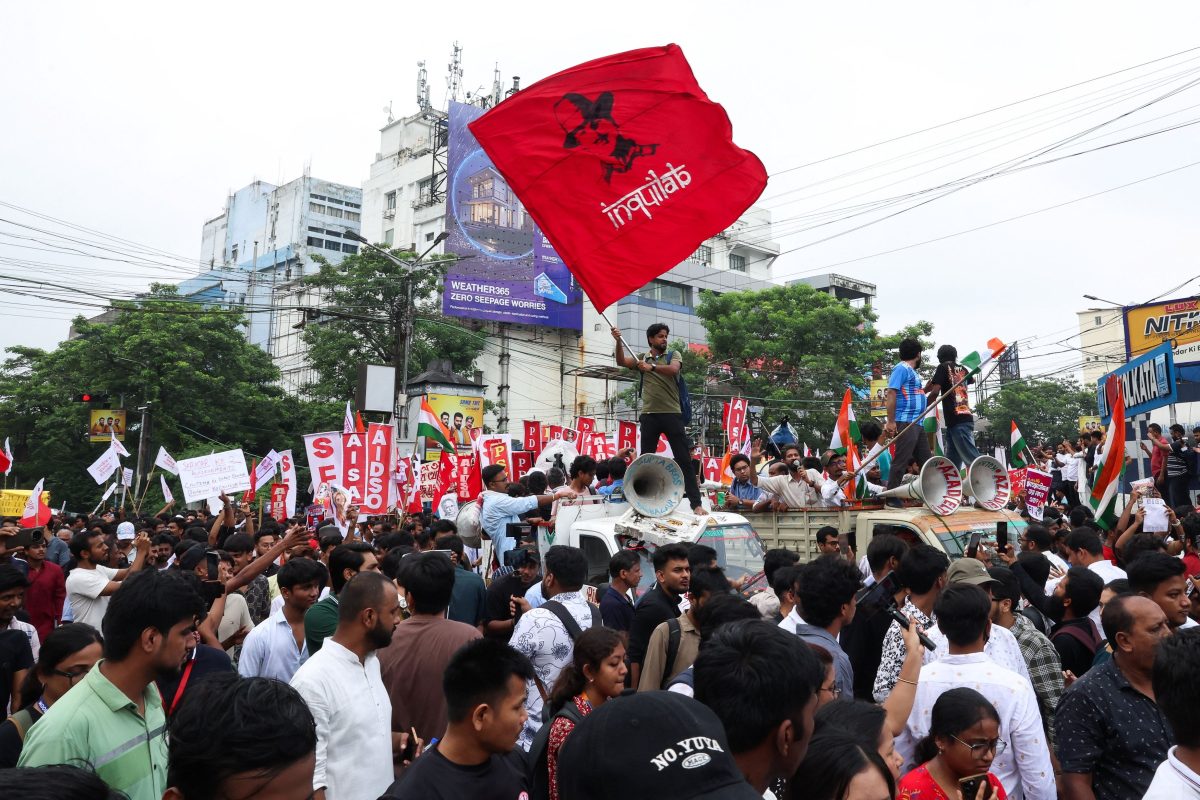
Graffiti on police barricades in recent days called for Modi to resign, and many in the crowds that have gathered each day this week carried signs mocking the Indian leader. Protests have taken place in other large cities such as Bengaluru and Mumbai in addition to New Delhi.
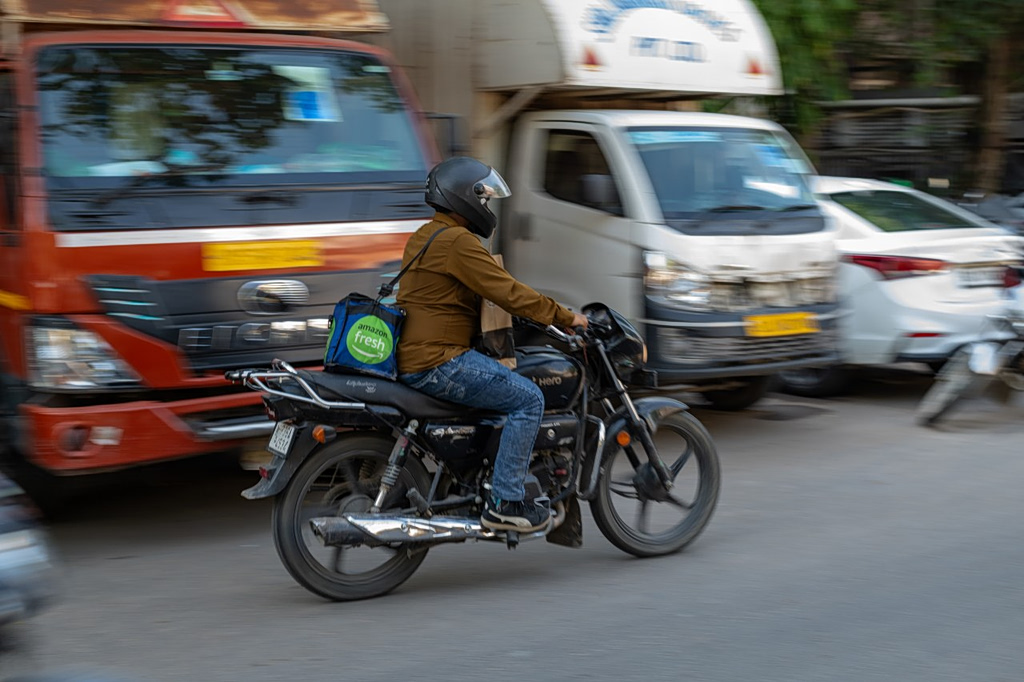
Images of police beating protesters with batons have only increased support for the demonstrators, said Prashant Malik, a delivery rider who was distributing food orders for protesters sent by supporters.
“These are kids, not terrorists,” said Malik. “They are fighting for their rights.”