It was a day like today, 24 October 1945, when the world, emerging from the deadliest war in human history, World War II, welcomed the establishment of the United Nations, aiming to prevent global-scale bloodshed from recurring in the early 20th century.
Exactly 80 years later, the organization, which began with 51 member states, now counts 193, far surpassing its ineffective predecessor, the League of Nations.
One of the UN’s most important functions is undoubtedly its peacekeeping operations, which are a key factor in resolving international conflicts. But what exactly are UN peacekeeping operations, and how do they work?
UN Peacekeeping Operations
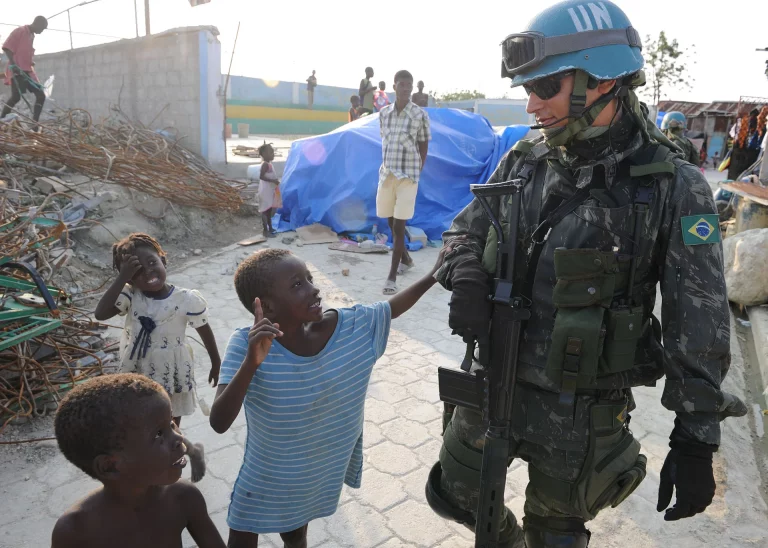
When we talk about UN peacekeeping operations, we are essentially referring to the deployment of soldiers under its command, known as Blue Helmets, due to the characteristic color of their helmets and berets. These missions take place in regions torn by war, where no other army either wants or can guarantee peace.
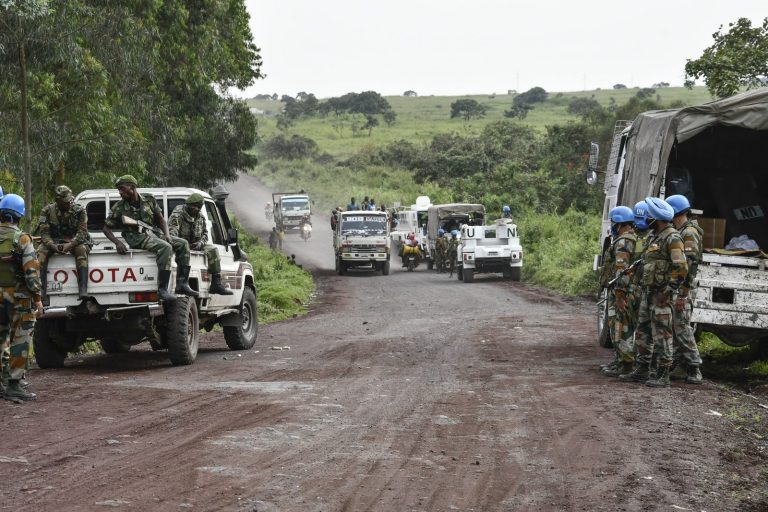
According to the UN website, “UN peacekeeping operations create the necessary conditions for security and support for millions of people, as well as for fragile institutions established after a conflict.”
What does this mean in practice? Blue Helmets remain in the area as guarantors of peace, because any attack against them would provoke a strong reaction against the army or paramilitary group responsible, while also giving conflict-affected areas the opportunity to recover, providing security for the time needed to establish their own well-founded institutions.
Ongoing Operations
At present, 11 peacekeeping operations are ongoing across four continents, involving a total of 124,000 personnel. Specifically, these missions are in Kosovo, Cyprus, Lebanon, Jerusalem, the Golan Heights on the Israel-Syria border, Western Sahara, Sudan, South Sudan, the Central African Republic, the Democratic Republic of Congo, and the region of Kashmir contested by India and Pakistan.
These are areas that have been in a state of war for years, with UN peacekeeping missions playing a significant role in stopping bloodshed and, as much as possible, achieving basic agreements between opposing sides.
The financial cost of these operations is shared equally by the UN member states, and according to a study by the University of Oxford, international military intervention authorized under Chapter VII of the UN Charter is the most cost-effective means of preventing the recurrence of conflicts.
Past Peacekeeping Missions and Criticism
On the other hand, there have been many occasions when UN missions have faced international criticism for their inability to protect civilian populations. A notable example is the Srebrenica massacre, when in 1995, Bosnian Serbs killed more than 8,000 Bosniak Muslim men, including elderly men and boys.
The town had been declared a safe area by UN forces two years earlier and was guarded by Dutch soldiers. When the Serbs captured it, the heavily outnumbered Dutch made no attempt to defend the town. Many Bosniaks went to the UN camp seeking protection, and many were denied. The Serbs separated men, elderly men, and boys from the women and killed them, burying the bodies in mass graves. This massacre was the largest in Europe since World War II, and after the events were reviewed, the Dutch government resigned.
The Future
All of this belongs to the past, as the international community hopes will soon be the case for the two major recent conflicts in the Gaza Strip and Ukraine. Already, as part of peace negotiations, the role of UN peacekeeping forces in the post-conflict period is being discussed in both cases. However, agreeing on the size of the missions and the areas they will oversee is not simple.
A notable example is Israel’s request last year for the withdrawal of UNIFIL, the UN Interim Force in Lebanon. The request was rejected amid international outcry, with Israeli forces even opening fire, wounding two Blue Helmets from Sri Lanka.
In any case, the Blue Helmets will continue their work, although the constantly changing geopolitical environment appears likely to make their mission more difficult in the coming years.