Violence against children is escalating to unprecedented levels in eastern DRC, with reports showing that a child is raped every half hour, UNICEF said. The surge in sexual violence comes amid a brutal conflict and a growing humanitarian funding crisis.
Speaking at a press briefing in Geneva earlier in the year, UNICEF spokesperson James Elder described the attacks as a “systemic crisis,” highlighting that children accounted for 35 to 45 percent of nearly 10,000 reported rape cases in just January and February 2025. Survivors include toddlers, reflecting the deliberate use of sexual violence as a weapon of war.
“The fact that this may be just the tip of the iceberg—hidden beneath layers of fear, stigma, and insecurity—should shake us to our core,” Elder said, urging immediate international action to support survivors and hold perpetrators accountable.
The humanitarian funding shortfall has left hospitals struggling to provide basic care. In one facility visited by UNICEF, 127 rape survivors lacked access to post-exposure prophylaxis (PEP) kits. Without urgent funding, 250,000 children risk missing vital services for gender-based violence and protection.
Beyond sexual violence, cuts in aid threaten broader child health and welfare. Projections for 2026 show that 100,000 children could miss measles vaccinations, nearly two million may go unscreened for malnutrition, and hundreds of thousands may lack access to safe water.
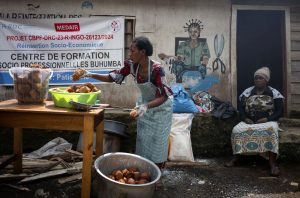
The crisis is compounded by the use of sexual violence by armed groups, including the M23 rebels, who have systematically terrorized communities, destroyed families, and forced children into unimaginable suffering. Survivors like 17-year-old Salima, who endured eight months of repeated sexual assaults, reflect the human toll behind the staggering statistics.
Despite the dangers, local health workers, social workers, and volunteers continue to support survivors, providing care and protection amid chaos. UNICEF stressed that sustained funding and international attention are critical to preserving these lifelines and ensuring that children in eastern DRC can access justice, medical treatment, and the hope of recovery.
“Survivors must see the world stand with them, not turn away. And perpetrators must face justice,” Elder said. “Opportunity, funding, and peace are the only ways to protect these children and rebuild shattered communities.”