

Airline ticket prices are rising worldwide as soaring jet fuel costs disrupt the global aviation industry, following escalating geopolitical tensions in the Middle East.
Within just a few days, aviation fuel prices have surged sharply, triggering a chain reaction across airlines in Europe, Asia and Oceania. Carriers are already increasing fares while reassessing routes, operational strategies and fleet management in response to the growing uncertainty.
Fuel Costs Put Pressure on Airlines
The rapid increase in jet fuel prices has placed airlines under significant financial pressure. Fuel is the second-largest expense for airlines after labor, meaning any sharp increase directly affects operating costs.
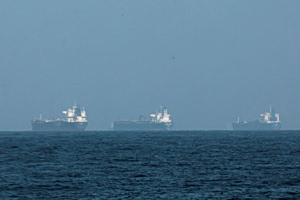
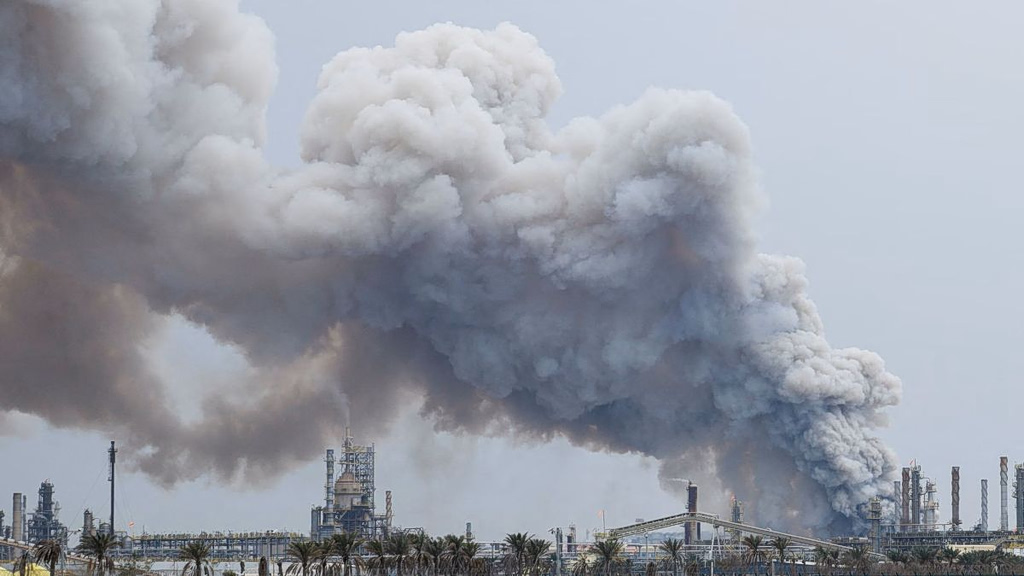
According to industry reports, the price of aviation fuel has risen dramatically due to the escalation of conflict involving Iran and the resulting disruption to global oil markets. Before the latest military developments, oil prices were estimated at around $85–$90 per barrel. They have now climbed to between $150 and $200, creating major turbulence for the aviation sector.
Airlines Raise Ticket Prices
In response, several airlines have already announced fare increases.
Air New Zealand has introduced higher economy-class ticket prices, adding about 10 New Zealand dollars for domestic flights, 20 for short international routes, and up to 90 for long-haul flights. The airline has also suspended its financial outlook for 2026 due to uncertainty surrounding fuel prices.
Other carriers, including Qantas and SAS, have taken similar steps by implementing temporary fare increases aimed at offsetting the surge in operating costs. Airline executives say such adjustments are necessary to maintain normal flight operations.
Route Changes and Strategic Adjustments
Airlines are also reconsidering their route networks. Qantas, for example, is examining whether to allocate more capacity to flights connecting with Europe, as passengers and airlines attempt to avoid areas where airspace restrictions or heightened risks exist.
Flights between Asia and Europe have already been significantly affected. Closed sections of airspace and longer alternative routes have reduced available capacity, pushing ticket prices even higher.
Concerns Over Fuel Supply
Beyond the cost increases, some airlines are warning about potential supply issues if the crisis continues. Finnair has noted that prolonged instability could affect fuel availability, although the airline has secured much of its supply through hedging agreements.
At the same time, key fuel-exporting countries, including Kuwait, are experiencing production declines, further tightening the market.
Aviation Industry on Alert
The geopolitical tensions have also created operational disruptions. Flight tracking services reported that aircraft heading toward Dubai were temporarily held in the air due to a potential missile threat. Although flights ultimately continued as scheduled, the incident highlighted the fragile environment facing airlines.
While airline stocks have stabilized after recent market pressure, analysts warn that the aviation sector remains highly sensitive to developments in the Middle East. If the crisis persists, experts say ticket prices are likely to keep rising, potentially affecting global travel demand in the months ahead.