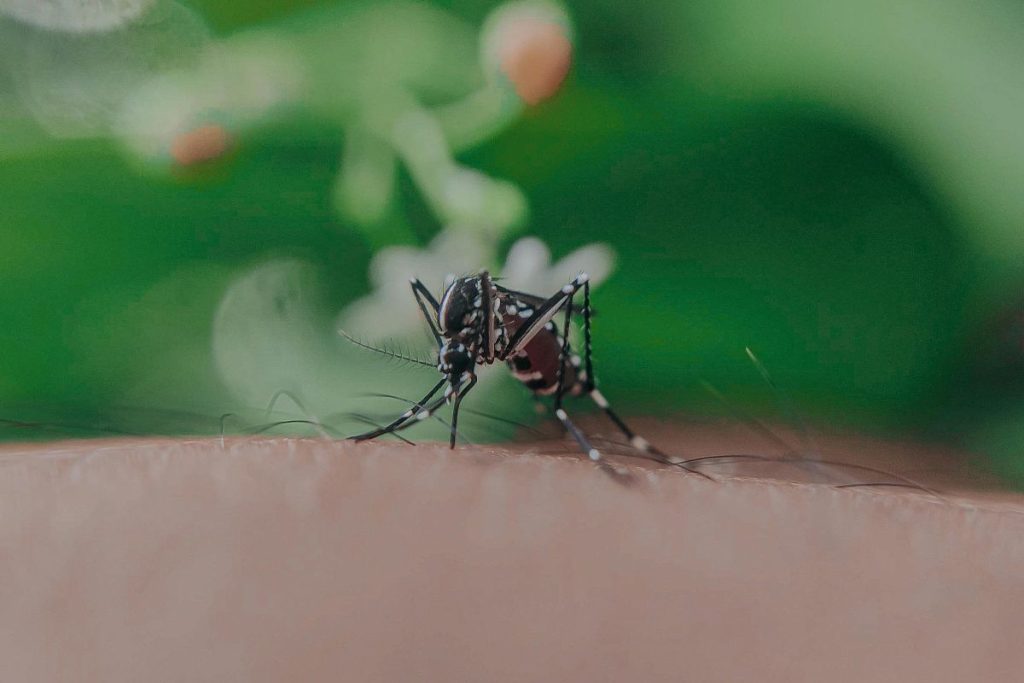
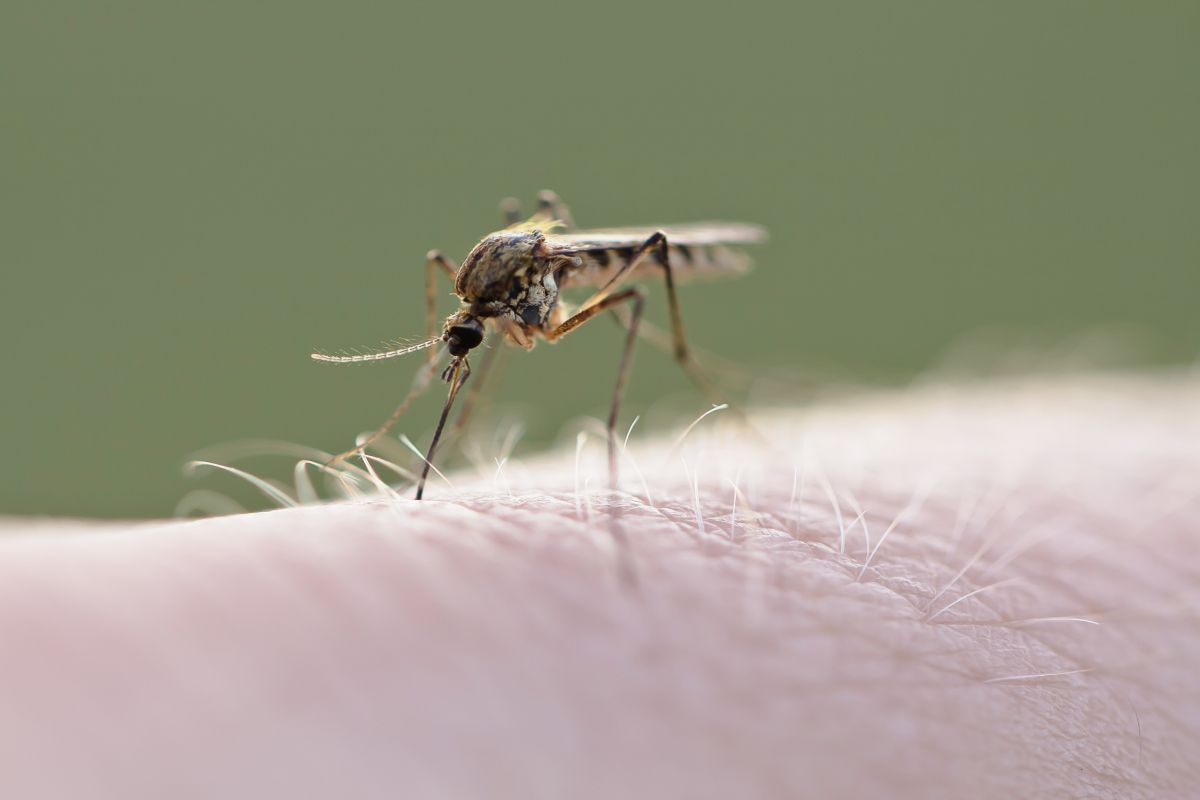
Authorities in Foshan, China, are urgently responding to a fast-growing outbreak of the chikungunya virus, which is transmitted exclusively by mosquitoes. In just four weeks, thousands have been infected, sparking public health measures to contain the spread.
Outbreak Expands Beyond Foshan
While Foshan remains the epicenter, at least 12 additional cities in Guangdong province have reported cases. Confirmed infections have also appeared in the neighboring Hunan province, Macau, and Hong Kong. Notably, a 12-year-old boy in Hong Kong contracted the virus following a trip to Foshan.
In response, Chinese officials have instructed residents to eliminate standing water sources around their homes, such as flower pots, coffee makers, and spare bottles. Failure to comply with these directives may result in fines up to 10,000 yuan (approximately $1,400).
Despite the rapid spread, authorities assert the situation is under control. Guo Jiakun, spokesperson for China’s Ministry of Foreign Affairs, stated that “the epidemic is being effectively managed.”
International Alerts and Preventive Advice
The outbreak has raised concerns internationally. The U.S. Centers for Disease Control and Prevention (CDC) issued a Level 2 travel advisory for Guangdong province, advising travelers to avoid mosquito bites and to receive vaccinations before traveling.
The World Health Organization (WHO) issued a call in July for countries to act swiftly to prevent a widespread outbreak, as chikungunya cases have spread from the Indian Ocean islands to Europe and other regions.
Globally, about 240,000 chikungunya cases and 90 deaths have been recorded this year, with the highest impact reported in South America, according to the European Centre for Disease Prevention and Control.
Risk of Spread to Cyprus
Epidemiologist Dr. Michalis Voniatis has expressed concern about the virus potentially reaching Cyprus. Speaking to SigmaLive, he noted the strong likelihood of local transmission due to the presence of the mosquito species Aedes aegypti, the primary vector of chikungunya.
Infections can cause high fever and severe joint pain. Dr. Voniatis advises that anyone experiencing these symptoms should consult their doctor promptly. While chikungunya is rarely fatal, vulnerable groups—including those with pre-existing conditions, seniors over 65, and infants—should take extra precautions.
The virus has already appeared in European countries such as Italy and France, as well as in the United States, Asia, and Africa. Vaccines are available in the U.S., but in Cyprus, treatment focuses on symptom management in consultation with healthcare providers.
Dr. Voniatis emphasized the urgent need for government-led public information campaigns in Cyprus to raise awareness and prepare citizens for potential outbreaks.