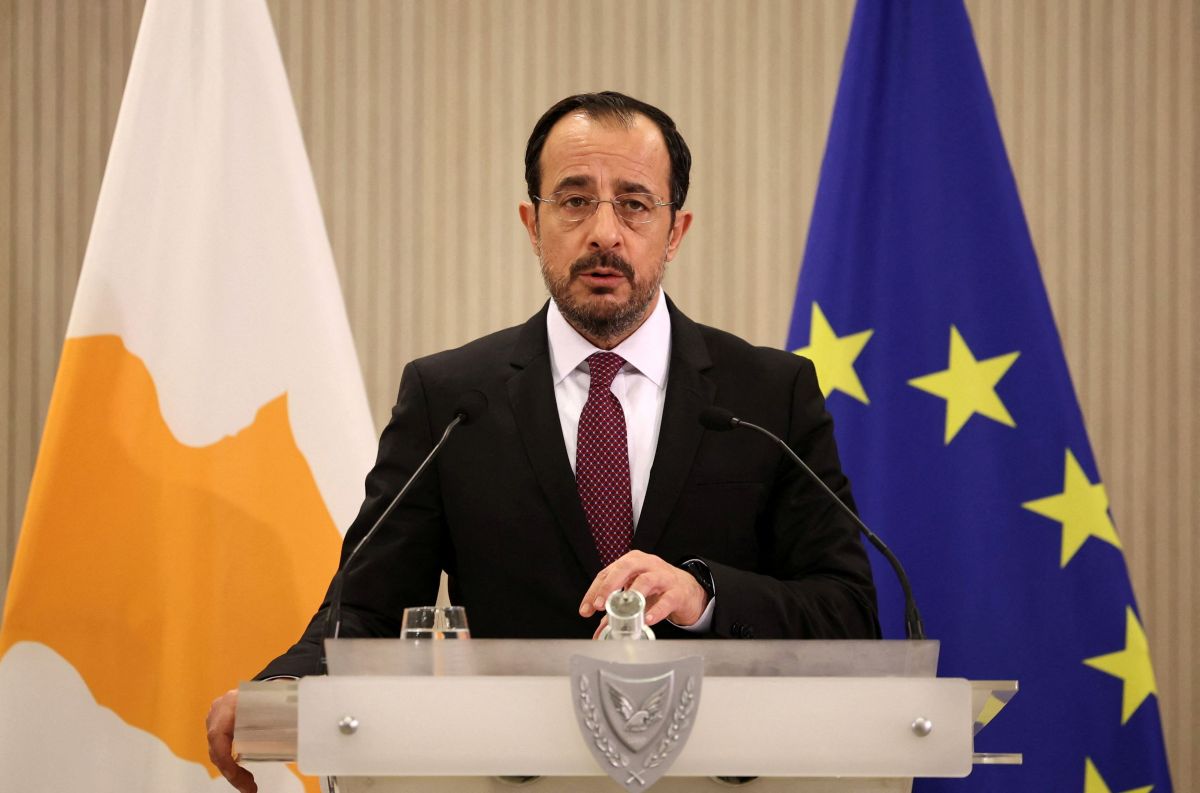
Cyprus is seeking to leverage its upcoming EU Council presidency to reduce long-standing tensions with Turkey, offering a potential diplomatic “bargain” in exchange for progress on NATO integration and renewed negotiations over the island’s division, President Nikos Christodoulides told POLITICO.
Christodoulides proposed that Turkey allow Cyprus to join the NATO Partnership for Peace (PfP) program, viewed as a first step toward full NATO membership. In return, Cyprus would gradually lift barriers to closer EU-Turkey cooperation. He described a “step-by-step” approach in which Turkey would take initial measures to admit Cyprus to PfP while the EU and Cyprus respond with positive steps, including restarting talks on a Cyprus settlement.
The Cypriot leader said he has already discussed the proposal with NATO Secretary-General Mark Rutte and German Chancellor Friedrich Merz. He emphasized that Cyprus’s NATO membership is a natural evolution that has been blocked due to political circumstances, with Turkey currently exercising a de facto veto.
Cyprus, alongside Greece, also blocks Turkey from participating in EU-funded joint defense procurement programs under the €150 billion Security Action for Europe (SAFE) initiative, and from joining the European Defence Agency (EDA). Christodoulides stressed that Turkey has excluded itself from these programs by failing to meet EU security agreements, which are non-negotiable prerequisites.
When Cyprus assumes the EU Council presidency in January, it will set meeting agendas for EU ministers, lead negotiations on European legislation, and host an informal summit in April, where Christodoulides plans to invite Turkish President Recep Tayyip Erdoğan. Defense, security, and the war in Ukraine are expected to dominate the agenda.
Christodoulides also highlighted Cyprus’s close collaboration with the United States to ensure its National Guard meets NATO standards, despite the island not being a NATO member. He underscored a strategic shift away from historical ties with Moscow following the Russian invasion of Ukraine.
In addition to NATO and EU matters, Cyprus aims to advance efforts to end the division of the island. Renewed optimism follows the October election of moderate Turkish Cypriot leader Tufan Erhürman. Christodoulides and Erhürman are scheduled for a trilateral meeting with the UN Secretary-General’s envoy, Maria Angela Olguín, marking the first such session in years.
The president also reiterated Cyprus’s intention to join the Schengen free-movement zone next year. While concerns have been raised about potential restrictions along the Green Line dividing Greek Cypriot and Turkish Cypriot areas, Christodoulides assured that the free movement of Turkish Cypriots would remain unaffected.