David Attenborough said he has been “completely overwhelmed” by birthday messages as he turned 100 on Friday, with global tributes celebrating more than seven decades of groundbreaking work documenting the natural world.

The British broadcaster, whose instantly recognisable voice has become synonymous with wildlife storytelling, marked his centenary amid a wave of affection from across the world. Messages poured in from preschool groups to care home residents, as well as public figures and admirers spanning generations.
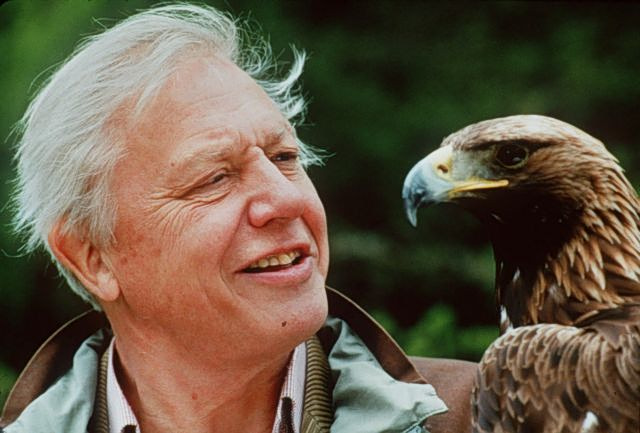
“I had rather thought that I would celebrate my 100th birthday quietly, but it seems that many of you have had other ideas,” Attenborough said in an audio message released by the BBC. “I’ve been completely overwhelmed by birthday greetings from preschool groups to care home residents and countless individuals and families of all ages.”
He thanked those who sent messages and wished anyone marking the occasion “a very happy day.”
In the United Kingdom, celebrations include special BBC programming, a live concert at the Royal Albert Hall, museum events, nature walks, and tree-planting initiatives. A new BBC series, Secret Garden, is also part of the centenary broadcasts.
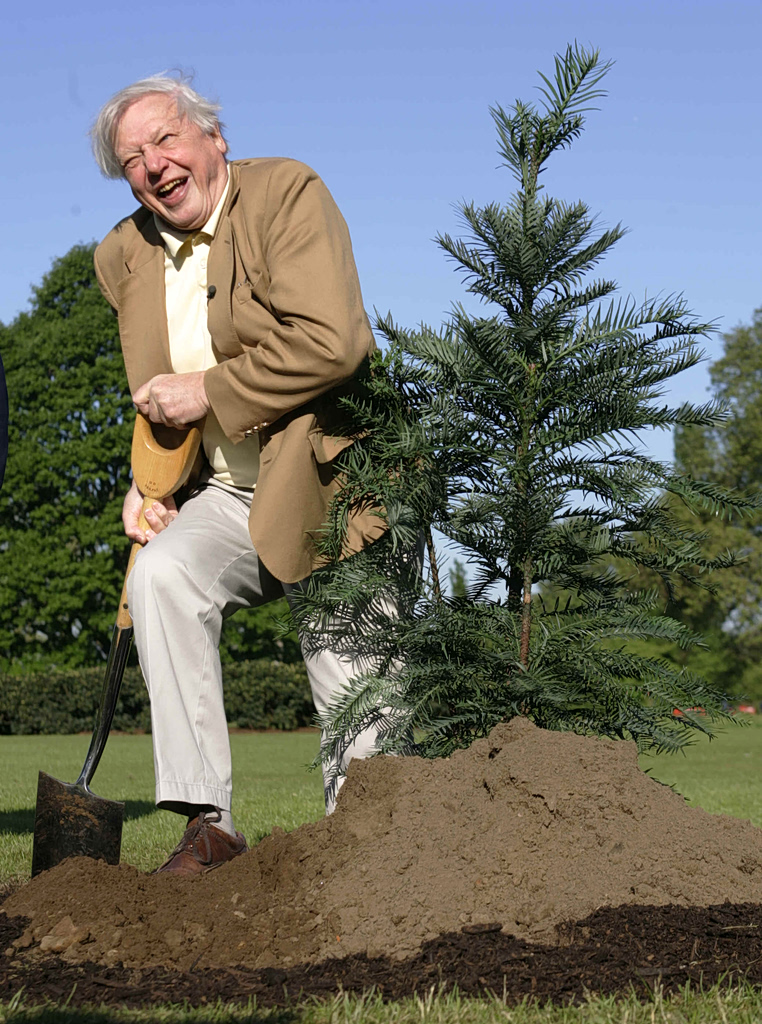
Naturalist Sir David Attenborough plants a Wollemei Pine at Kew Gardens in London 10 May, 2005. The Wollemi pine, which was discovered in Australia after it was believed to be extinct for two million years, is making its debut in the UK at Kew Botanical Gardens and at Kew’s sister garden at Wakehurst Place in Sussex. AFP PHOTO/ CARL DE SOUZA
Attenborough’s career spans more than 70 years, beginning with Zoo Quest in the 1950s and rising to global recognition with Life on Earth in 1979. That landmark series, which he wrote and filmed over several years, helped establish him as one of the most influential natural history broadcasters of all time.
Subsequent productions such as The Blue Planet, Frozen Planet, and Dynasties reached audiences worldwide. His work has been credited with reshaping public awareness of environmental issues, including plastic pollution, highlighted in the 2017 series Blue Planet 2, which contributed to government and retail efforts in the UK to reduce plastic use.
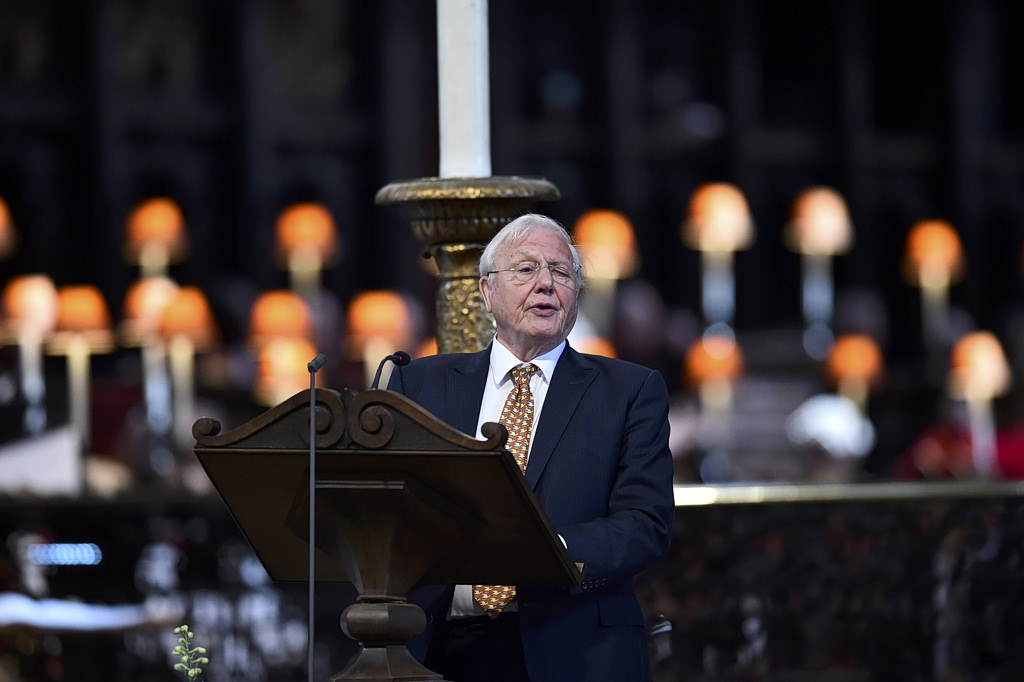
British broadcaster and naturalist David Attenborough speaks during a service of thanksgiving for Queen Elizabeth’s 90th birthday at St Paul’s Cathedral in London, Britain, June 10, 2016. REUTERS/Ben Stansall/Pool
Attenborough’s documentaries have captured both the wonder and fragility of the natural world, from intimate encounters with mountain gorillas to the emotional story of “Lonesome George,” the last known Pinta Island tortoise, whose death marked the extinction of his species.
“His ability to communicate the beauty and vulnerability of our natural environment remains unequalled,” the late Queen Elizabeth said in 2019.
Friends and colleagues describe Attenborough not as a “national treasure” in his own words, but as a public servant dedicated to telling the story of nature. “He feels that he had the unique opportunity to be the voice for nature,” said television producer Mike Gunton.
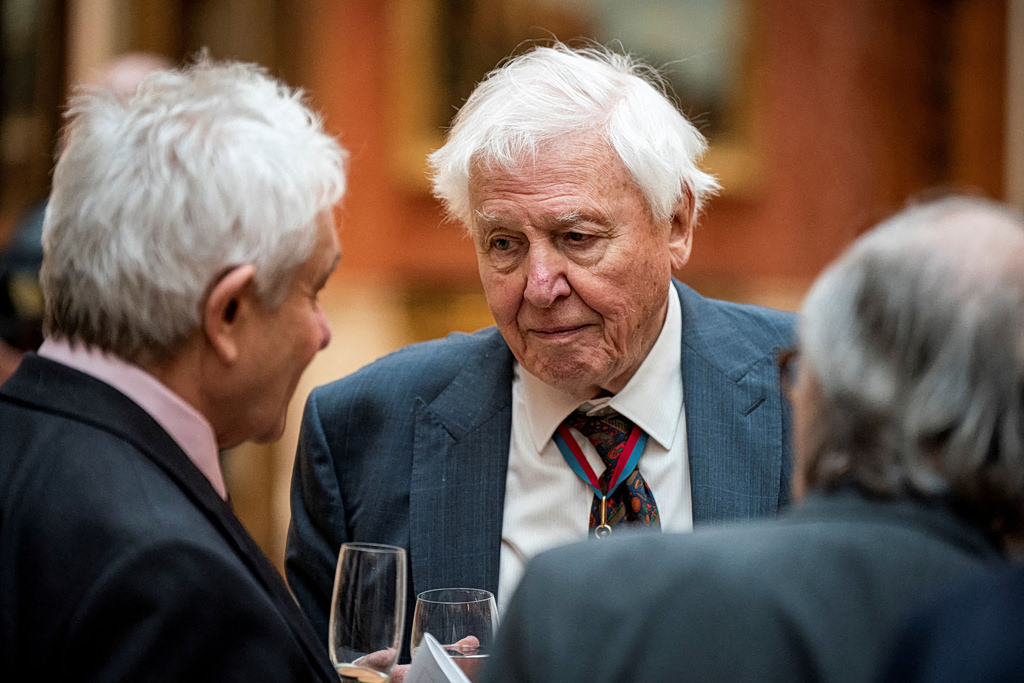
FILE PHOTO: Sir David Attenborough during a luncheon for Members of the Order of Merit at Buckingham Palace, London, Britain. Picture date: Thursday November 24, 2022. Aaron Chown/Pool via REUTERS/File Photo
In recent years, Attenborough has increasingly focused on environmental urgency, warning about the accelerating impact of climate change. United Nations climate chief Simon Stiell described him as “a colossus of science and storytelling in defense of the natural world.”
Born on May 8, 1926, Attenborough developed an early fascination with fossils and wildlife before joining the BBC in the 1950s. After briefly serving as a senior executive, he returned to filmmaking, where he produced many of his most influential works.
As he reaches 100 years, Attenborough’s legacy remains closely tied to both broadcasting history and global environmental awareness, with his work continuing to inspire audiences and shape public debate on the planet’s future.