
 Μake us preferred on Google
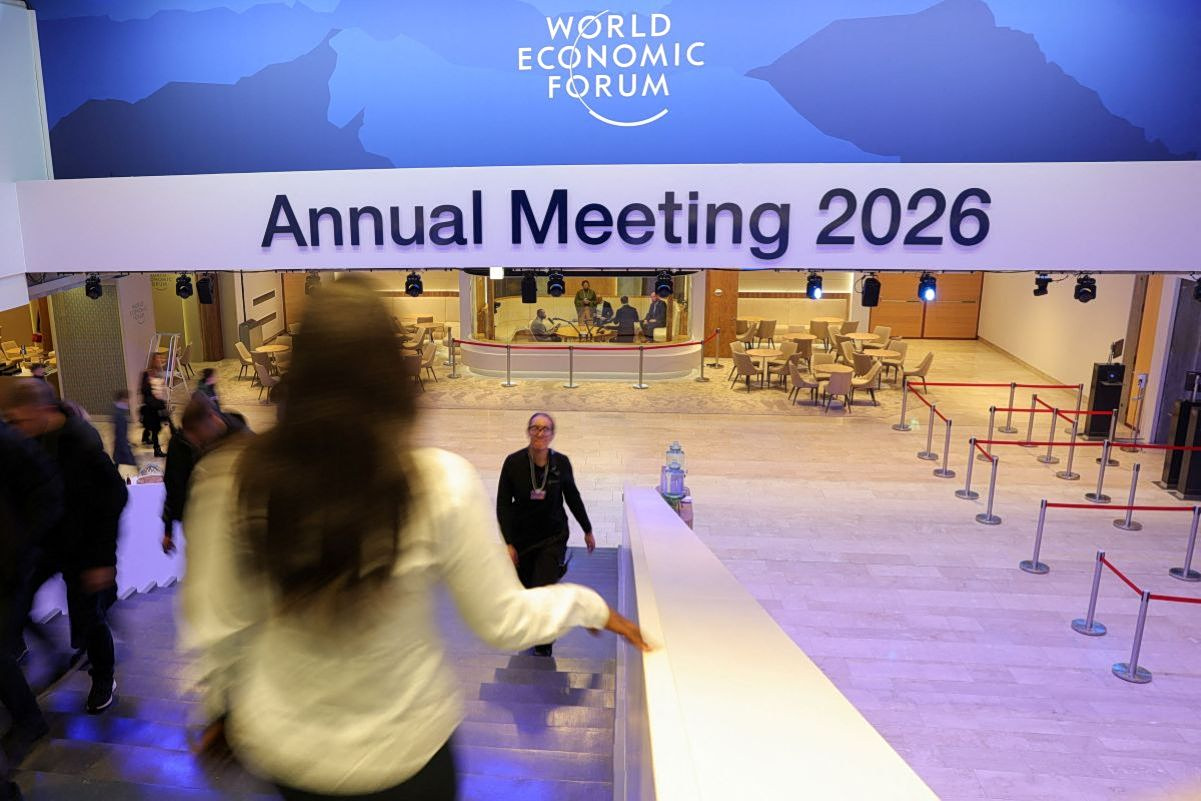
 “A Spirit of Dialogue” is the theme of this year’s World Economic Forum (WEF), the annual gathering of the global elite in the gleaming Alpine air of Davos. Yet the slogan risks sounding hollow at a moment when Donald Trump has spent the past year dismantling key pillars of the international order.
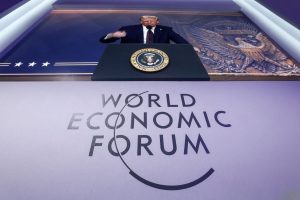
The US president is set to arrive in the snow-covered Swiss resort accompanied by the largest American delegation ever to attend the WEF. Among them are Secretary of State Marco Rubio, Treasury Secretary Scott Bessent, Commerce Secretary Howard Lutnick, and special envoy Steve Witkoff.
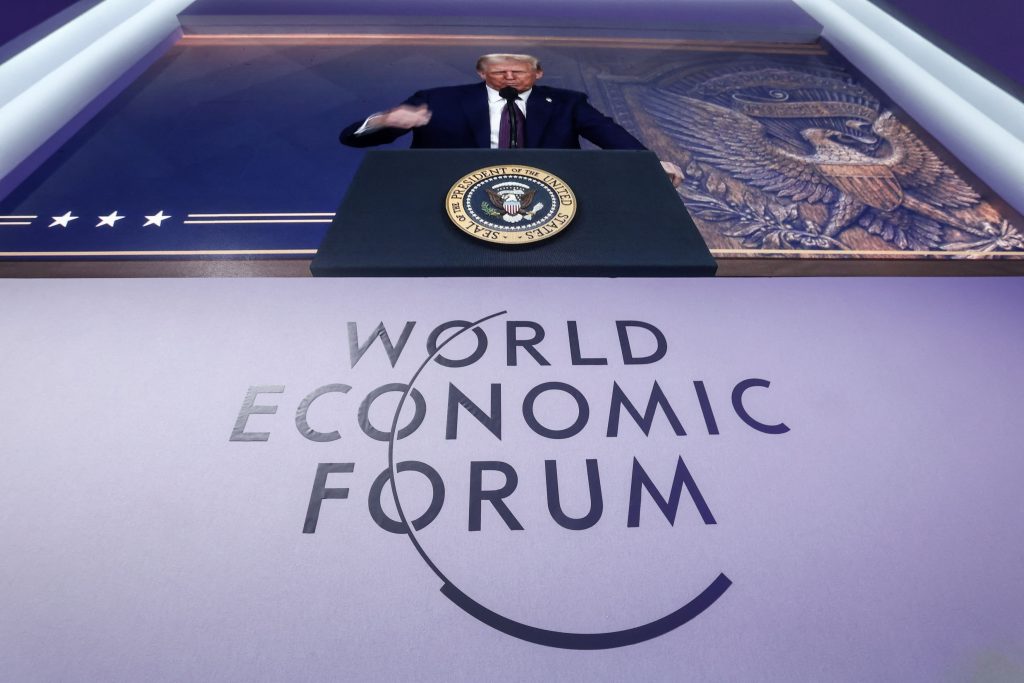
Last year, just days after his second inauguration, Trump addressed Davos via video link with a combative speech. He threatened sweeping tariffs, urged NATO allies to sharply increase defense spending, and called on the US Federal Reserve to cut interest rates “immediately,” setting the tone for what would become 12 months of turbulence.
A year on, what remained of the rules-based international order—already weakened by Russia’s invasion of Ukraine and the growing clout of authoritarian China—is rapidly eroding. The much-vaunted “spirit of dialogue” appears increasingly elusive, as noted in an analysis by The Guardian.
Who will attend
Despite mounting criticism over the gap between its stated mission and the presence of powerful leaders who openly challenge international norms, the WEF continues to draw the world’s elites.
More than 60 heads of state or government are expected, alongside 55 finance and economy ministers and over 800 chief executives or company chairs.
A forum amid geopolitical turmoil
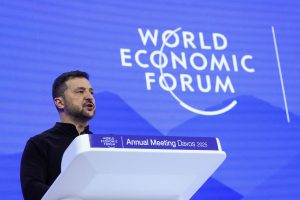
This year’s Davos meeting takes place amid acute geopolitical turbulence. The war in Ukraine continues, with President Volodymyr Zelensky attending to shore up international support, while Donald Trump has alarmed European allies by threatening punitive tariffs unless they back his proposal to annex Greenland, prompting emergency EU consultations.
A WEF survey of global leaders ranks “geoeconomic confrontation” as the most pressing risk of the next two years, followed closely by the threat of interstate war. Recent weeks have only reinforced those fears, with Trump issuing threats against Venezuela, Iran and Ukraine.
Yet as multilateralism appears to be in retreat, a countercurrent is emerging. Central bankers have broken with convention to defend the independence of the US Federal Reserve, while leaders including NATO secretary general Mark Rutte, the French president and European Commission chief Ursula von der Leyen arrive in Davos determined to uphold free trade, transatlantic cooperation and support for Ukraine.