
Russia has the capability to launch a limited attack against NATO territory at any time, though whether it acts will depend on the Western allies’ posture, a top German military official warned on Tuesday.
Lieutenant General Alexander Sollfrank, who heads Germany’s joint operations command, told Reuters, “If you look at Russia’s current capabilities and combat power, Russia could kick off a small-scale attack against NATO territory as early as tomorrow.” He emphasized that such an operation would be “small, quick, regionally limited”, noting that Moscow remains heavily tied down in Ukraine.
Sollfrank also echoed NATO concerns that Russia could potentially mount a large-scale assault on the alliance as early as 2029, if its ongoing armament efforts continue.
Russia retains key military capabilities
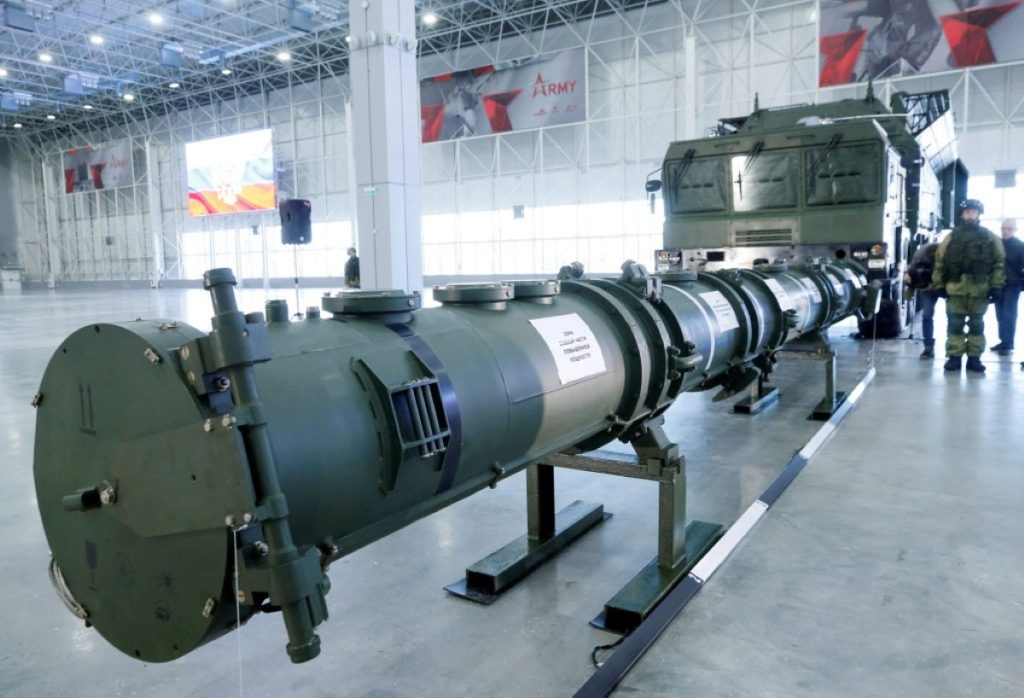
Despite setbacks in Ukraine, Sollfrank highlighted that Russia’s air force, nuclear arsenal, and missile forces remain largely unaffected. While the Black Sea Fleet has suffered losses, other Russian fleets and ground forces remain capable of action. Sollfrank added that Russia possesses sufficient main battle tanks to make a limited strike conceivable, though he stressed that no such attack is currently planned.
The general noted that recent drone incursions into Polish airspace exemplify Russia’s ongoing hybrid warfare tactics. “The Russians call this non-linear warfare. In their doctrine, this is warfare before resorting to conventional weapons,” Sollfrank said, warning that nuclear threats are used as “warfare by intimidation.”
NATO and Germany ramp up defenses
Sollfrank pointed out that whether Moscow acts will be shaped by Russia’s military strength, track record, and leadership, as well as NATO’s deterrence posture. “These factors lead me to the conclusion that a Russian attack is in the realm of the possible,” he said.
Germany is responding with a major military buildup. The country plans to expand its armed forces by 60,000 troops, raising total personnel to around 260,000, while boosting defense spending to €160 billion ($187 billion) by 2029, up from nearly €100 billion in 2025. This follows a loosening of Berlin’s constitutional debt brake to meet NATO’s 3.5% of GDP military spending target.
Sollfrank said Russia’s actions aim to provoke NATO, spread fear, gather intelligence, and test alliance resilience. “Russia’s hybrid tactics, including drone operations, are designed to foster insecurity and do damage before conventional conflict,” he said.