 Μake us preferred on Google
 Greece has extended an invitation to Libya’s internationally recognized government in Tripoli to begin talks on maritime boundaries in the Mediterranean, Prime Minister Kyriakos Mitsotakis announced late Wednesday. The offer comes as part of a broader effort to repair ties strained by geopolitical disputes and rising migration pressures.
Speaking to local broadcaster Skai TV, Mitsotakis said Athens is ready to discuss the delimitation of the continental shelf and exclusive economic zones (EEZ) between the two countries. “We invite – and I think you may soon see progress in this area – the Tripoli government to discuss with Greece the delimitation of a continental shelf and an exclusive economic zone,” he said.
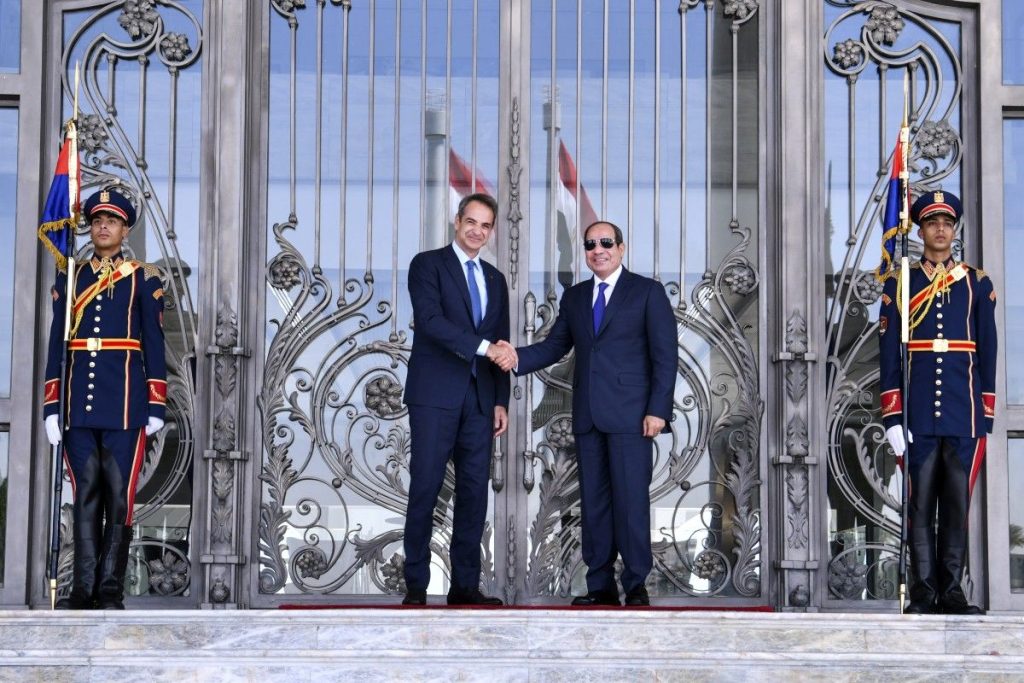
“The Turkey-Libya memorandum is both illegal and unreasonable and does not generate any rights…the fact that it does not generate any rights is clearly demonstrated by Chevron’s decision to engage in dialogue with us.” “Greece has the EU on its side regarding Libya, it has strategic relations with Egypt, Saudi Arabia and the UAE, and Libya must choose whether it wants to side with its immediate neighbor or whether it wants to be Turkey’s tool.”
Maritime Tensions and Energy Interests
The move seeks to address long-standing friction that intensified after Libya signed a controversial maritime deal with Turkey in 2019. The agreement outlined a shared sea zone that overlaps areas Greece claims as part of its own EEZ near the island of Crete.
This year, Greece launched a new tender for hydrocarbon exploration off Crete, prompting objections from Libya, which argued that some exploration blocks encroach on its maritime claims.
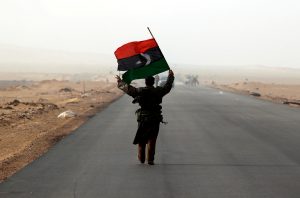
Efforts to negotiate are complicated by Libya’s ongoing political instability. The country remains divided between a UN-backed government in Tripoli and a rival administration based in Benghazi, with limited central authority since the fall of Muammar Gaddafi in 2011.
Migration Pressures and Border Security
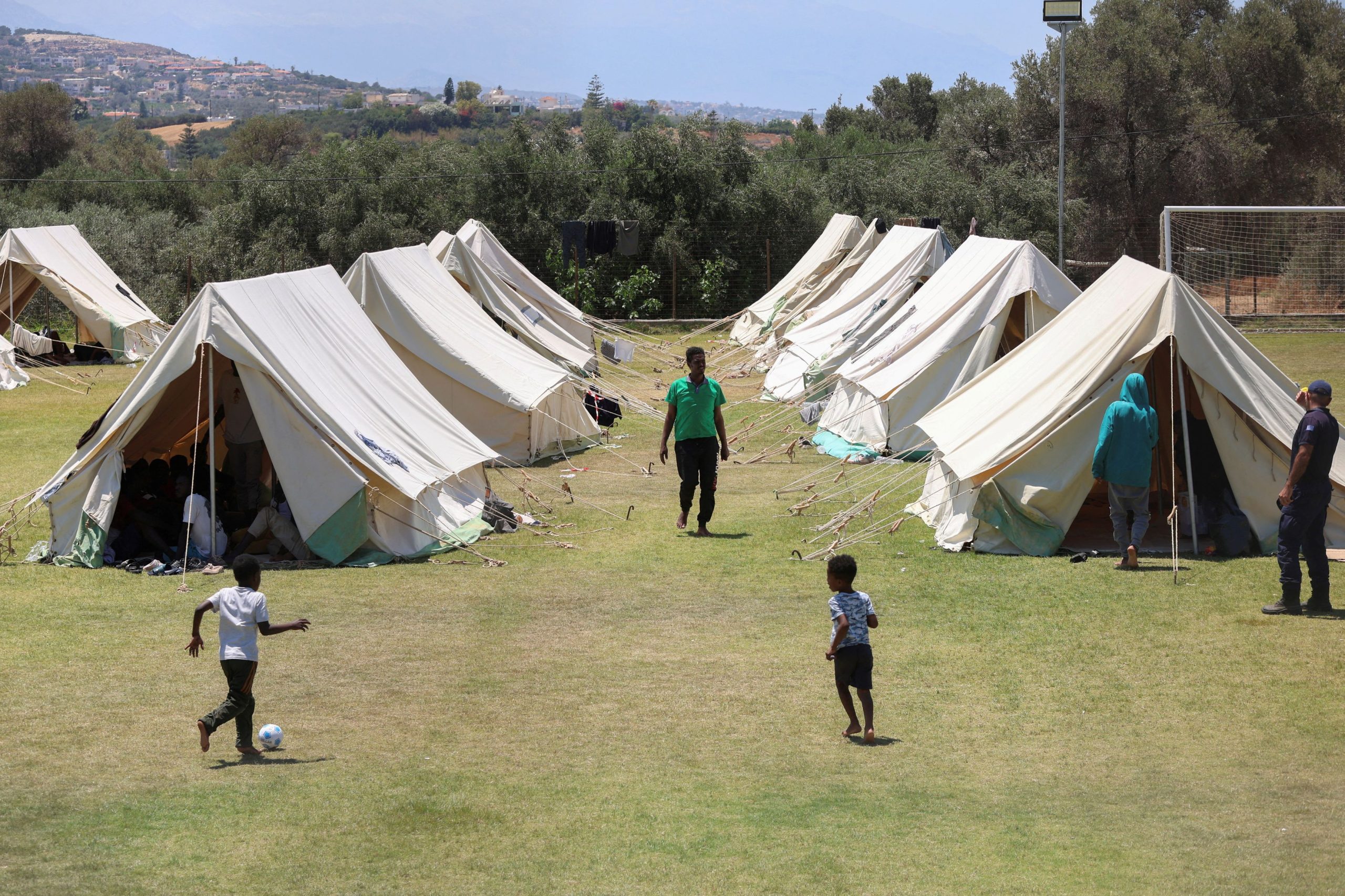
Greece is also seeking closer cooperation with Libya to control migrant arrivals. In recent months, increased crossings from the North African coast to the Greek islands of Crete and Gavdos have raised alarm in Athens.
In response, the Greek government passed legislation banning migrants arriving from Libya by sea from applying for asylum. It has also deployed naval frigates off Libya’s coast in a bid to deter smugglers and reinforce border control.
Earlier this month, an EU delegation including Greece’s migration minister was denied entry into eastern Libya following meetings with the Tripoli-based government, underlining the diplomatic difficulties of engaging with both factions.