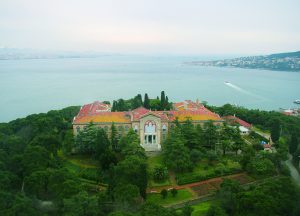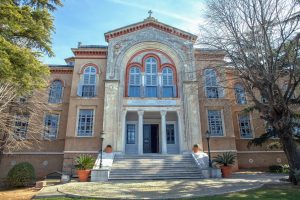
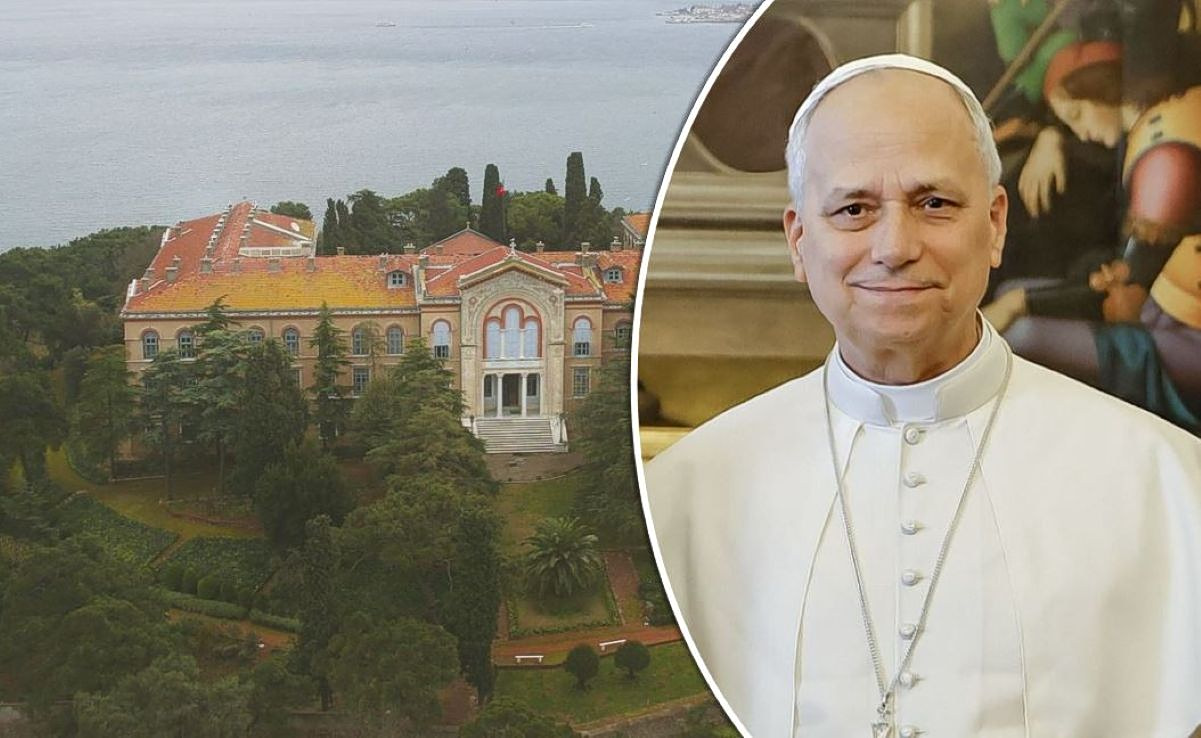
Optimism is building over the possible reopening of Halki, the famed Greek Orthodox Theological School shuttered since 1971, according to a Washington Post report ahead of Pope Leo XIV’s visit to Turkey on Nov. 27.
“The Halki Theological School has become a symbol of Orthodox heritage and a focal point in efforts to promote religious freedom in Turkey,” the report notes, noting that Turkey closed the seminary under laws restricting private higher education.
Despite international pressure and legal reforms enabling private universities, the school remains closed, the article adds.
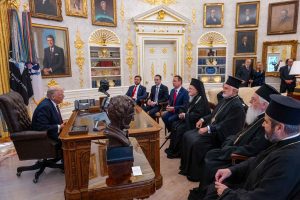
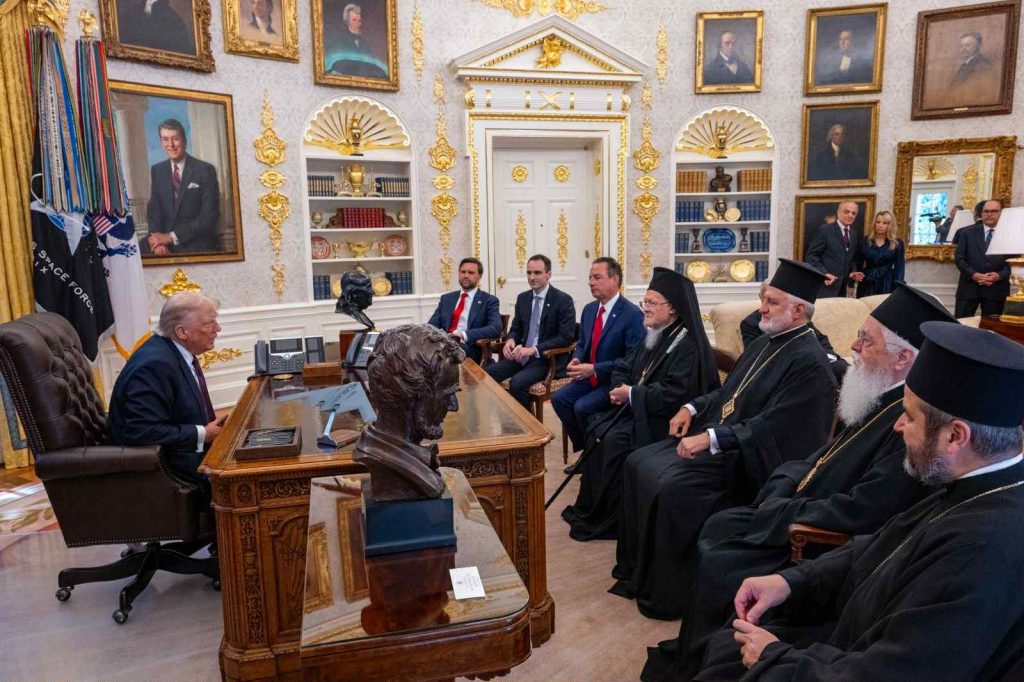
Momentum for reopening the institution appeared to strengthen after Turkish President Recep Tayyip Erdogan met with U.S. President Donald Trump at the White House in Sept. Erdogan suggested that Turkey would “do its part” to allow the seminary to open, though he has previously linked the issue to reciprocal steps from Greece to improve the rights of its Muslim minority.
During his visit, Pope Leo XIV is expected to meet Erdogan and join Ecumenical Patriarch Bartholomew in marking the 1,700th anniversary of the First Council of Nicaea — a pilgrimage honoring Christianity’s theological roots — before continuing on to Lebanon.
Turkey is now “ready to take the big step for its own benefit, for its minorities and for religious rights in the country” by reopening the school, Archbishop Elpidophoros of America told the Associated Press.
A joint committee of representatives from the Ecumenical Patriarchate and the Turkish government has begun discussions on the school’s future, the archbishop said, expressing hope that it could welcome students again as soon as the next academic year.
“To keep this school closed for more than 50 years is a political and diplomatic anachronism that does not help our country,” said Elpidophoros, who was born in Istanbul. “We have so many private universities and private schools in Turkey, so keeping only Halki closed benefits no one.”
The fate of the seminary has long been viewed as a test of how Muslim-majority Turkey treats its religious minorities, including its Christian population, estimated at between 200,000 and 370,000 out of nearly 86 million people.
The Post notes that in July 2020, Turkey converted Hagia Sophia — one of the most significant Christian monuments and a UNESCO World Heritage site — from a museum into a mosque, drawing widespread international criticism. Although previous popes had visited Hagia Sophia, it is not included in Pope Leo’s itinerary.
“The Ecumenical Patriarchate, based in Istanbul, is internationally recognized as ‘first among equals’ in the Orthodox world. Turkey, however, does not acknowledge its ecumenical status, insisting that under the 1923 Treaty, the Patriarch is only the leader of the country’s shrinking Greek Orthodox minority,” the report stresses. The Patriarchate traces its roots to the Byzantine Empire, which fell when the Ottomans captured Constantinople in 1453.