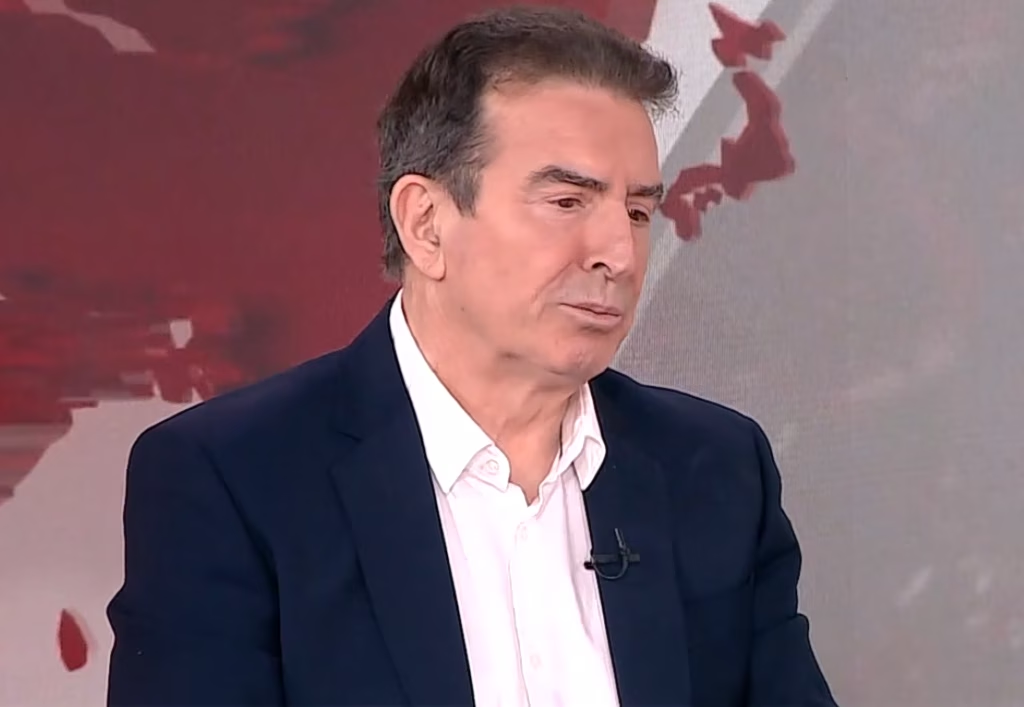
Iranian President Masoud Pezeshkian issued an unusual apology on Saturday to neighboring Gulf states for the impacts of Iran’s military actions, amid ongoing U.S.-Israeli strikes on the Islamic Republic.
“I personally apologise to neighbouring countries that were affected by Iran’s actions,” Pezeshkian said, urging Gulf nations not to join the attacks on Iran. He added that Iran’s temporary leadership council had approved suspending strikes on neighboring countries unless the attacks originated from their territory.
The statement comes as Tehran continues to launch drone and missile attacks across the region, hitting Israel, the UAE, Kuwait, Qatar, Bahrain, Oman, Saudi Arabia, and Iraq. The UAE defense ministry reported intercepting 119 drones and 15 ballistic missiles on Saturday alone.
Trump went on Truth Social commenting on the apology.
Military Escalation Continues
Hours after Pezeshkian’s announcement, Iran’s Revolutionary Guards reported striking a U.S. air combat centre at Al Dhafra Air Base near Abu Dhabi. Explosions were also reported in parts of Tehran, according to Iranian state media.
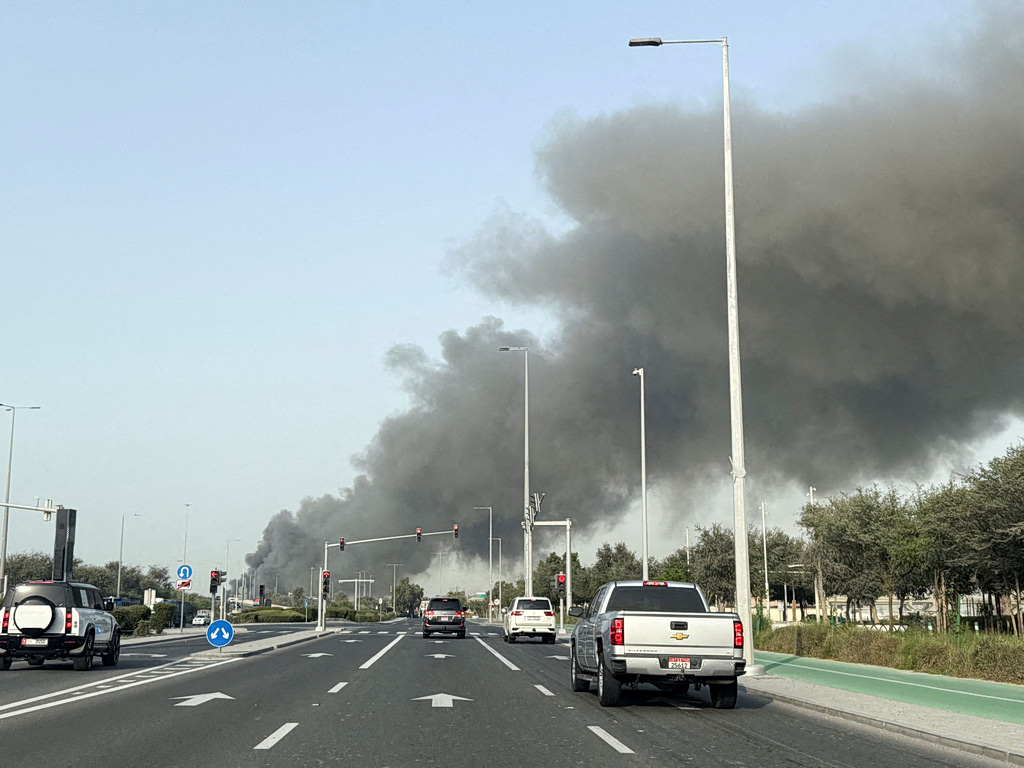
FILE PHOTO: Smoke billows from Zayed port after an Iranian attack, following United States and Israel strikes on Iran, in Abu Dhabi, United Arab Emirates, March 1, 2026. Picture taken with phone. REUTERS/Abdelhadi Ramahi/File Photo
Israel, in turn, carried out airstrikes targeting Tehran, Isfahan, and southern Lebanon, focusing on Hezbollah sites and Iranian Revolutionary Guard aircraft allegedly transferring weapons to militias. Air raid sirens sounded across Israel as its defense systems intercepted multiple missile launches.
Iranian military officials also warned separatist groups in Iraq’s Kurdistan region against any hostile actions, saying, “we will crush them” if the groups challenge Iran’s territorial integrity.
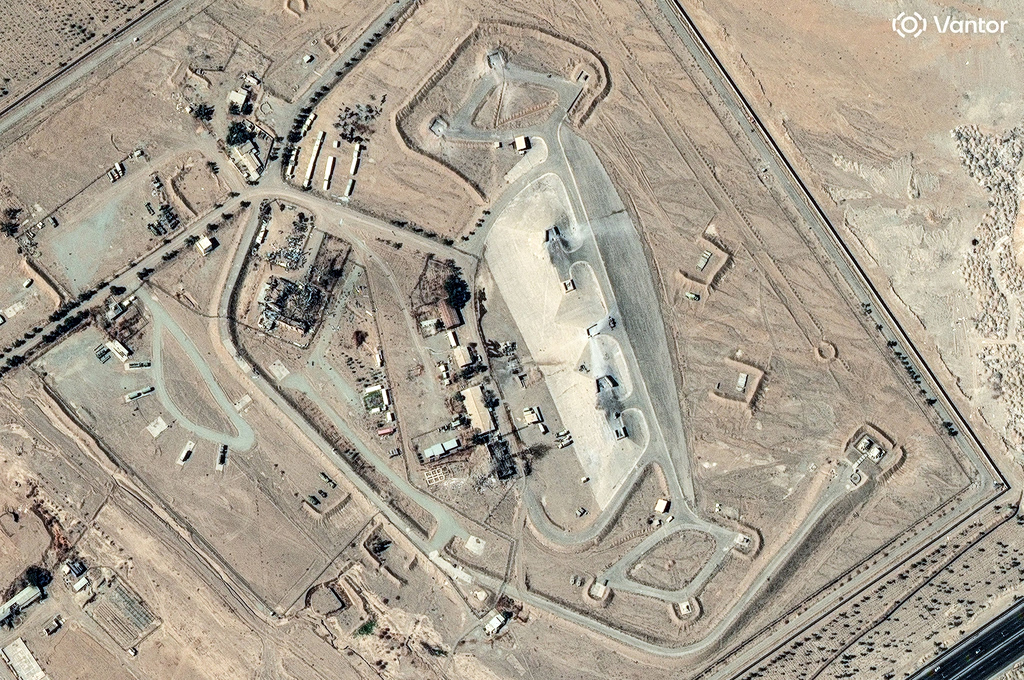
A satellite image shows an air defense site after an strike in Ghani Abad, Iran March 6, 2026. Vantor/Handout via REUTERS THIS IMAGE HAS BEEN SUPPLIED BY A THIRD PARTY. NO RESALES. NO ARCHIVES. MANDATORY CREDIT. MUST NOT OBSCURE LOGO.
Diplomatic Tensions and Global Impact
The conflict has already killed at least 1,332 Iranian civilians, according to Iran’s U.N. ambassador, Amir Saeid Iravani, while ten people have died in Israel and six U.S. service members have been killed. Russian President Vladimir Putin expressed condolences over civilian casualties and called for an immediate halt to hostilities.
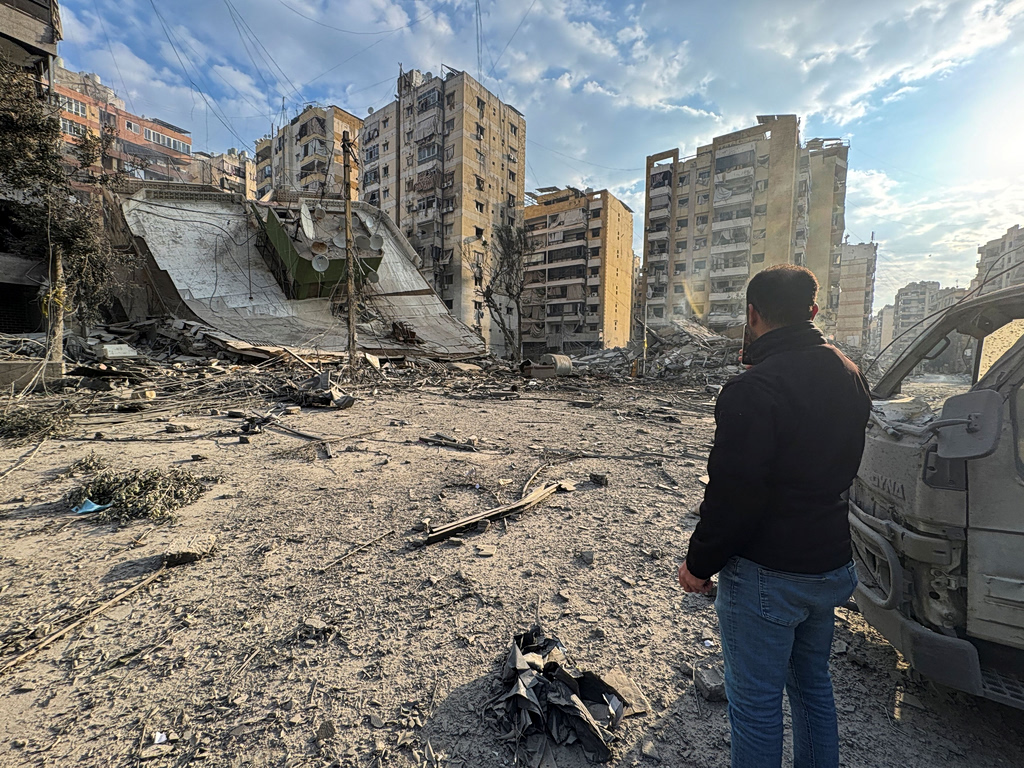
A man inspects damage buildings after an Israeli strike on Beirut’s southern suburbs, following an escalation between Hezbollah and Israel amid the U.S.-Israeli conflict with Iran, Lebanon, March 7, 2026. Picture taken with a mobile phone. REUTERS/Stringer
President Donald Trump rejected Iran’s stance, demanding “unconditional surrender” and insisting the U.S. have a say in selecting Iran’s new supreme leader—a position Iran firmly rejected.
The war has severely disrupted global energy markets, with the Strait of Hormuz effectively closed. Iran’s Revolutionary Guards reported striking a Marshall Islands-flagged tanker in the strait. The U.S. has pledged reinsurance of up to $20 billion for Gulf shippers, and Trump has said the U.S. Navy could escort vessels if necessary, though Iran challenged this move, stating it “welcomes” any U.S. presence.
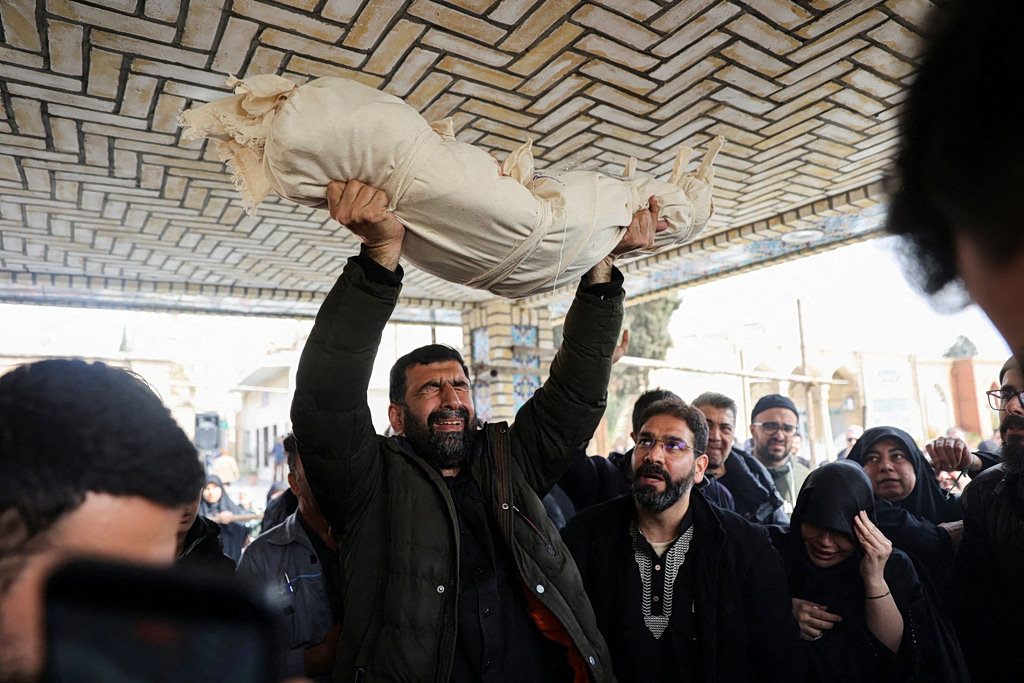
A man reacts during the funeral of Zainab Sahebi, a two-year-old child who was killed in a strike, amid the U.S.-Israeli conflict with Iran, in Tehran, Iran, March 7, 2026. Majid Asgaripour/WANA (West Asia News Agency) via REUTERS ATTENTION EDITORS – THIS PICTURE WAS PROVIDED BY A THIRD PARTY TPX IMAGES OF THE DAY
Uncertainty Over Iran’s Leadership
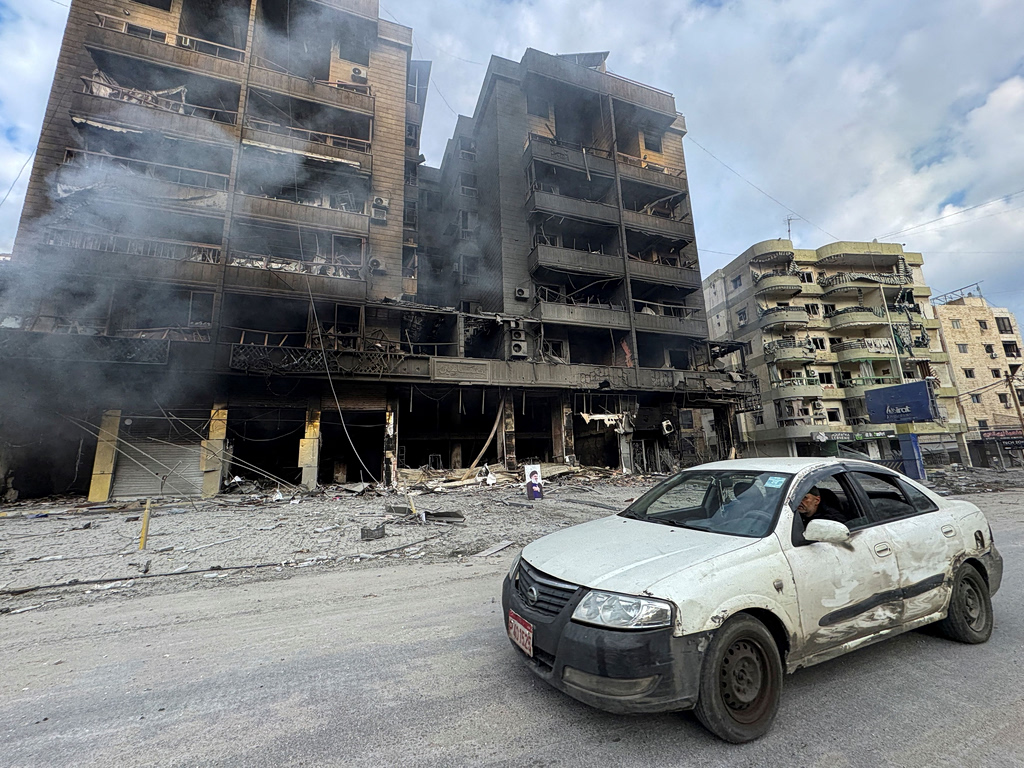
A car drives past burned buildings after an Israeli strike on Beirut’s southern suburbs, following an escalation between Hezbollah and Israel amid the U.S.-Israeli conflict with Iran, Lebanon, March 7, 2026. Picture taken with a mobile phone. REUTERS/Stringer TPX IMAGES OF THE DAY
The killing of Supreme Leader Ayatollah Ali Khamenei has added to political uncertainty. Three hardline clerics in Iran have called for a swift selection of a new leader to guide the nation amid war, but Tehran emphasizes that the decision will be made constitutionally and without foreign interference.