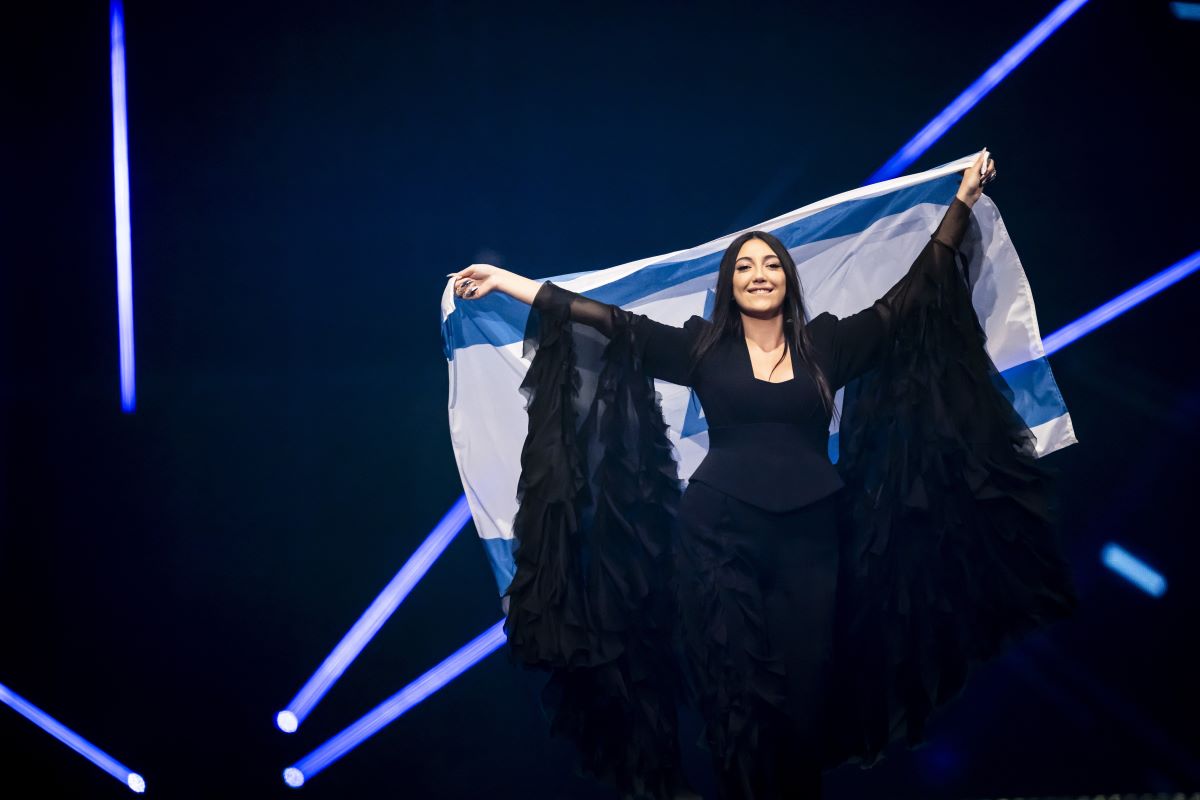
The upcoming Eurovision Song Contest 2026, set to take place in Vienna, Austria, has become the center of a deepening political row as several countries threaten to withdraw over Israel’s participation.
Ireland’s national broadcaster RTÉ announced it would not take part if Israel remains in the competition, citing the ongoing humanitarian crisis in Gaza, the killing of journalists, and restrictions on international media access. Slovenia’s broadcaster has already declared it will only participate if Israel is excluded.
In Spain, Culture Minister Ernest Urtasun went further, calling for Israel’s outright expulsion. “We cannot normalize its participation in international events as if nothing has happened,” he said. Iceland and Belgium have also voiced concerns.
On the other side, Germany’s new broadcaster for Eurovision, SWR, dismissed calls for exclusion as “unacceptable,” stressing that the contest “unites cultures and identities” and that Israel has complied with the rules for over sixty years. Austria and Switzerland have echoed that position.
Eurovision director Martin Green acknowledged the “strongly held views” about the conflict and confirmed that the European Broadcasting Union (EBU) is in talks with its members. Broadcasters have until mid-December to confirm their participation.
Some networks, including the BBC, have deferred comment to the EBU, while others remain cautious. Finland’s YLE said it is focused on its national song selection but admitted the humanitarian situation in Gaza is weighing heavily on public debate. Sweden’s SVT also confirmed ongoing discussions with the EBU.
The 70th anniversary edition of the contest follows Austria’s 2025 win with JJ’s Wasted Love in Basel, Switzerland. But unless consensus is reached, Eurovision risks facing one of the most divisive boycotts in its history.