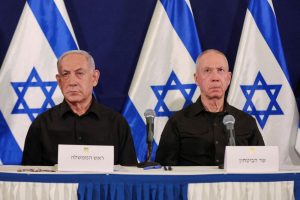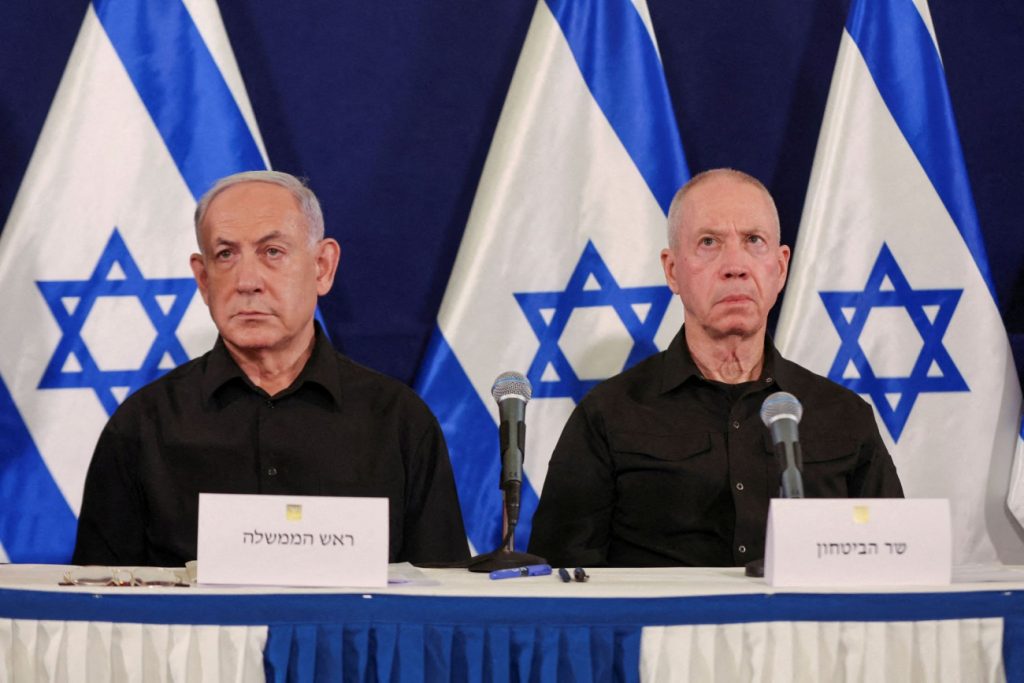
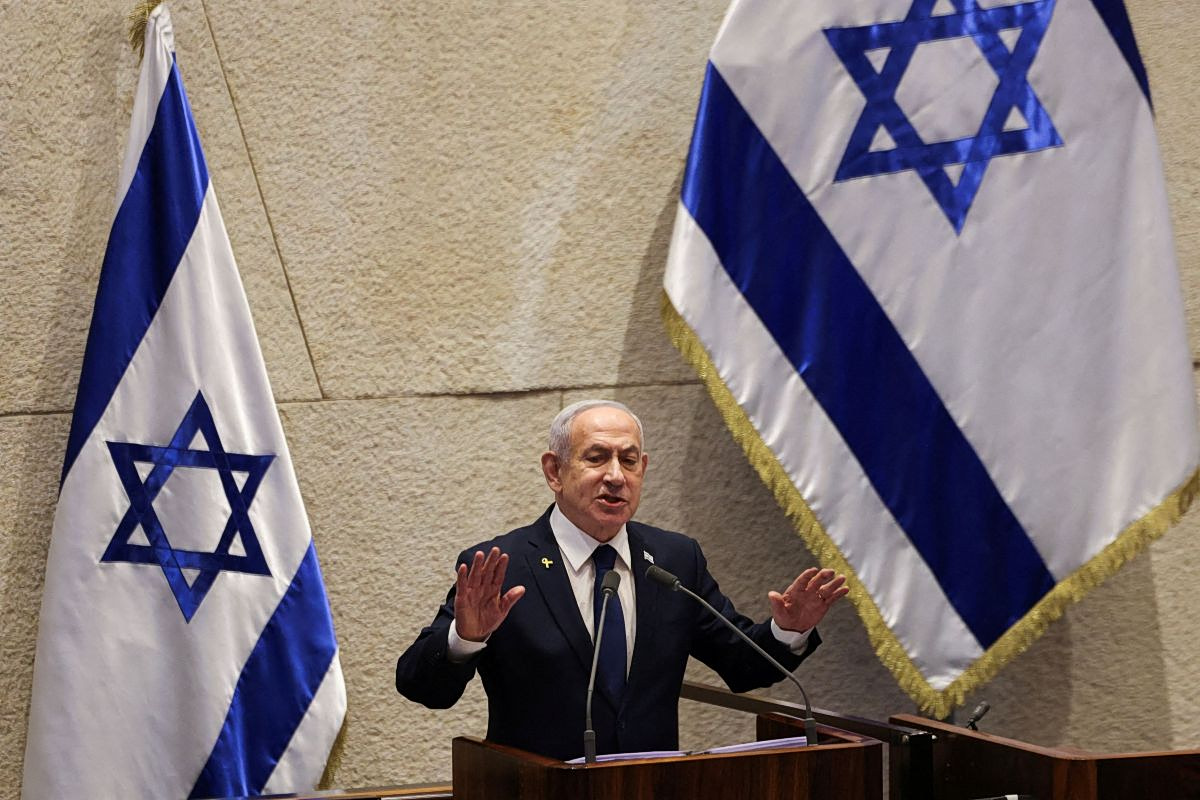
Israeli Prime Minister Benjamin Netanyahu appeared in court on Monday for the first time since formally requesting a presidential pardon in his long-running corruption trial—a move strongly backed by U.S. President Donald Trump and sharply criticized by Israeli opposition leaders.
Netanyahu’s request has ignited political controversy, as pardons in Israel are typically granted only after a conviction. There is no precedent for issuing one during an ongoing trial. Critics argue that the prime minister should admit guilt or step away from politics before seeking clemency.
Former Prime Minister Naftali Bennett said he would support ending the trial only if Netanyahu agreed to withdraw from political life, calling such a step necessary “to pull Israel out of this chaos”. Bennett, who led the coalition that ousted Netanyahu in 2021, is currently seen in polls as the most likely figure to lead a future government should Netanyahu depart.
Netanyahu was indicted in 2019 on charges of bribery, fraud and breach of trust after years of investigations. His trial began in 2020. He has consistently denied all wrongdoing, and his lawyers argued in the pardon request that the proceedings hinder his ability to govern and would ultimately result in full acquittal.
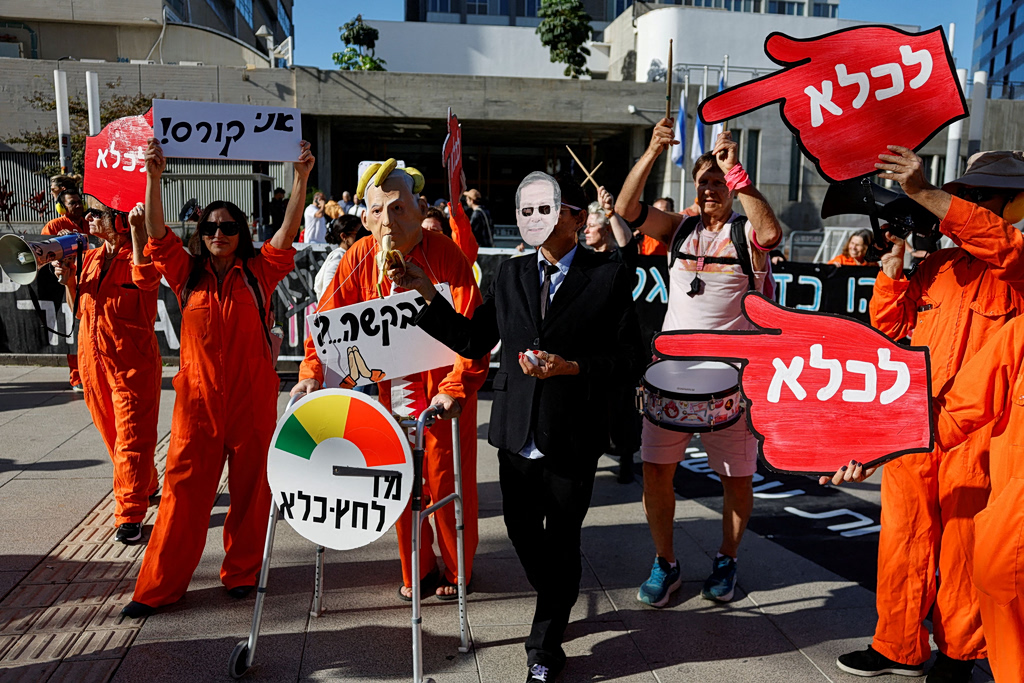
A demonstrator wearing a mask depicting Israeli President Isaac Herzog pretends to feed a banana to another demonstrator wearing a mask depicting Israeli Prime Minister Benjamin Netanyahu during a protest after Netanyahu requested a pardon in his corruption trial, outside a courthouse in Tel Aviv, Israel, December 1, 2025. REUTERS/Amir Cohen
As repored in Reuters, outside the Tel Aviv courthouse, demonstrators protested the pardon bid, with some wearing prison-style jumpsuits and urging that the prime minister face accountability. “It’s unacceptable that Netanyahu asked for a pardon without pleading guilty,” said Ilana Barzilay, one of the protesters.
President Isaac Herzog acknowledged the intense national debate surrounding the unprecedented request, stating he would consider it “solely [in] the best interests of the state of Israel and Israeli society”.
Netanyahu’s allies in his right-wing coalition have rallied behind him. Two weeks earlier, Trump sent Herzog a letter urging him to consider clemency, calling the charges a “political, unjustified prosecution”.
With elections due by October 2026 and polls suggesting Netanyahu’s coalition may struggle to retain power, the legal and political stakes surrounding the pardon request remain high—leaving Israel braced for a potentially defining decision.