 Μake us preferred on Google
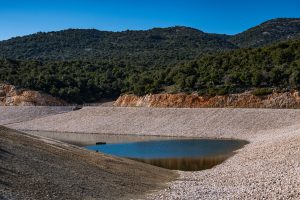
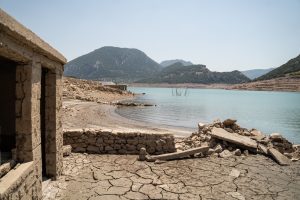
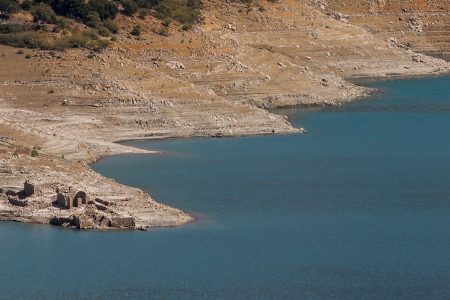
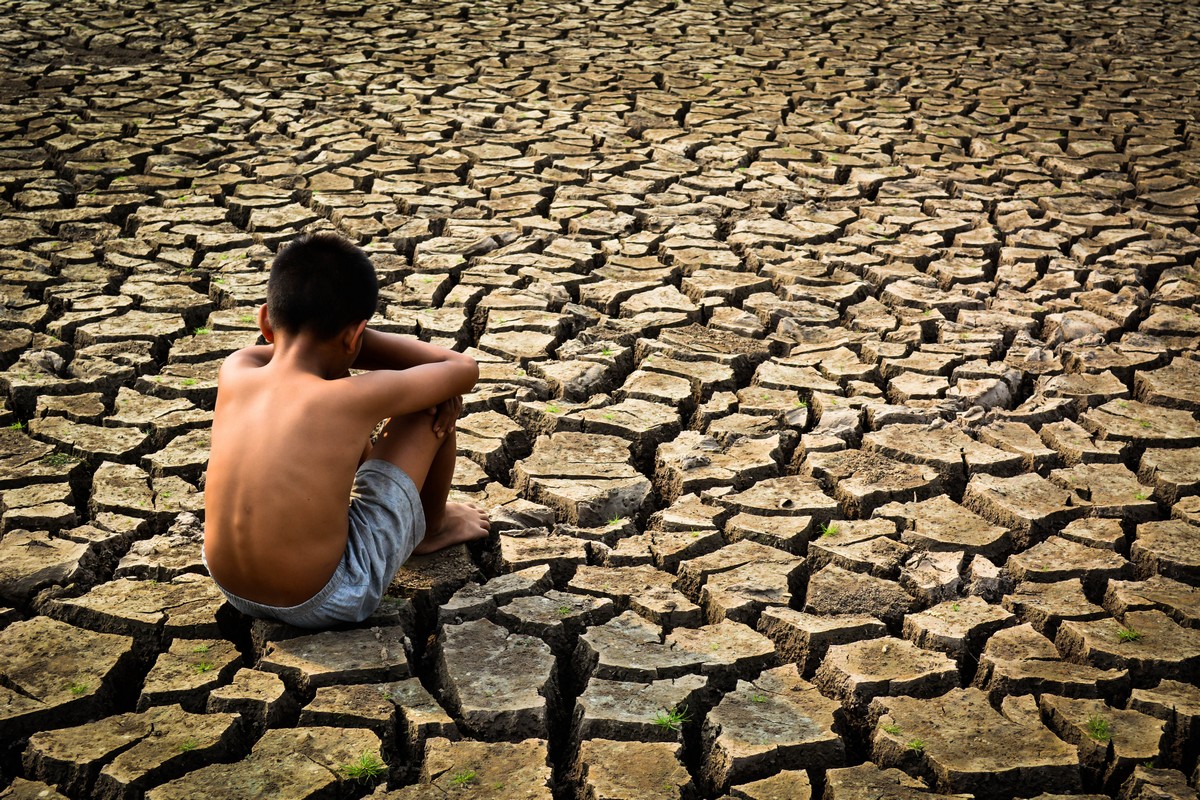
 The United Nations has issued a stark warning on global water scarcity, projecting that more than 5 billion people could face insufficient access to water by 2050 if current trends continue.
According to the World Meteorological Organization (WMO), the planet’s water cycle is becoming increasingly disrupted, swinging between extreme droughts and devastating floods with mounting consequences for societies worldwide.
The year 2024 was recorded as the hottest on record, and only one-third of the world’s river basins showed normal flow levels. In contrast, glaciers across all monitored regions suffered significant losses due to accelerated melting. Scientists reported a loss of 450 gigatonnes of ice in 2024 alone, enough to raise global sea levels by 1.2 millimeters in a single year and heighten flood risks for coastal populations.
The impact has already been severe:
- Tropical Africa endured extreme rainfall, leading to 2,500 deaths and displacing over 4 million people.
- Europe experienced its worst flooding since 2013.
- Asia and the Pacific were hit by record-breaking rainfall and tropical cyclones.
- Meanwhile, Latin America and southern Africa struggled with prolonged droughts, while parts of Asia, Africa, and Central Europe saw above-average rainfall.
WMO Secretary-General Celeste Saulo stressed that the world’s freshwater resources are under mounting pressure. “The increasing intensity of water-related extremes is having a growing impact on lives and livelihoods,” she said.
Currently, around 3.6 billion people face water shortages for at least one month each year. That figure is expected to surpass 5 billion by 2050, underscoring what the UN describes as an “increasingly disturbed hydrological cycle.”