Poland, Hungary, Slovakia, and the Czech Republic have announced they will challenge the European Union over a new plan to redistribute asylum seekers from southern Europe, rejecting both relocations and financial contributions.
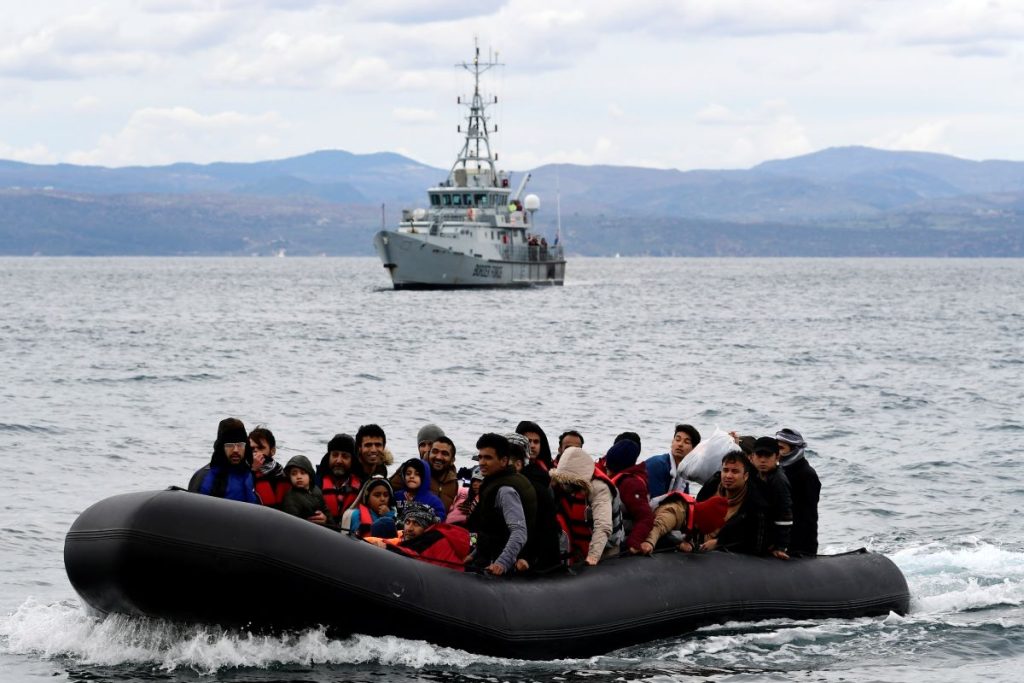
The European Commission recently unveiled a migration distribution plan aimed at easing pressure on countries like Italy, Spain, Greece, and Cyprus, which have seen high numbers of arrivals, including migrants rescued at sea. Under the EU’s Pact on Migration and Asylum, all member states are expected to contribute proportionally to their population and GDP, either by accepting asylum seekers, paying €20,000 per person they do not relocate, or providing operational support.
Hardline Opposition
Polish Prime Minister Donald Tusk declared on X (formerly Twitter), “Poland will not be accepting migrants under the Migration Pact. Nor will we pay for it.” Hungarian Prime Minister Viktor Orbán took a similarly firm stance, stating that Hungary “will not take in migrants, and we will not pay a single forint for them.”
Brussels has issued the order. They are activating the Migration Pact. I want to make it clear once and for all: as long as Hungary has a patriotic government, we will not implement the Migration Pact. Ceterum censeo: we will not accept migrants and we will not spend a single…
— Orbán Viktor (@PM_ViktorOrban) November 12, 2025
Slovakia’s Robert Fico and incoming Czech Prime Minister Andrej Babiš have also rejected the quota system, citing national security concerns, while emphasizing alignment with Hungary’s “zero migrant” approach.
Solidarity Pool and Exemptions
EU rules allow countries classified as “facing a significant migratory situation”—including Poland and the Czech Republic—to request exemptions from the solidarity pool. Any exemption must be approved by a qualified majority of EU ministers, meaning at least 15 of 27 member states, representing 65% of the EU population.
If granted, an exemption would mean that the asylum seekers or financial contributions owed by those countries would not be reassigned to other member states, potentially reducing support for southern European nations facing migratory pressure.
Implementation Challenges
Diplomats warn that enforcing the Migration Pact will be difficult, as most EU countries are reluctant to face domestic backlash. The Commission initially missed an October 15 deadline for its proposal, highlighting the plan’s complexity and political sensitivity. Discussions are expected at the European Council meeting on December 18-19, where the 27 leaders will aim to finalize the solidarity pool and exemption allocations.