
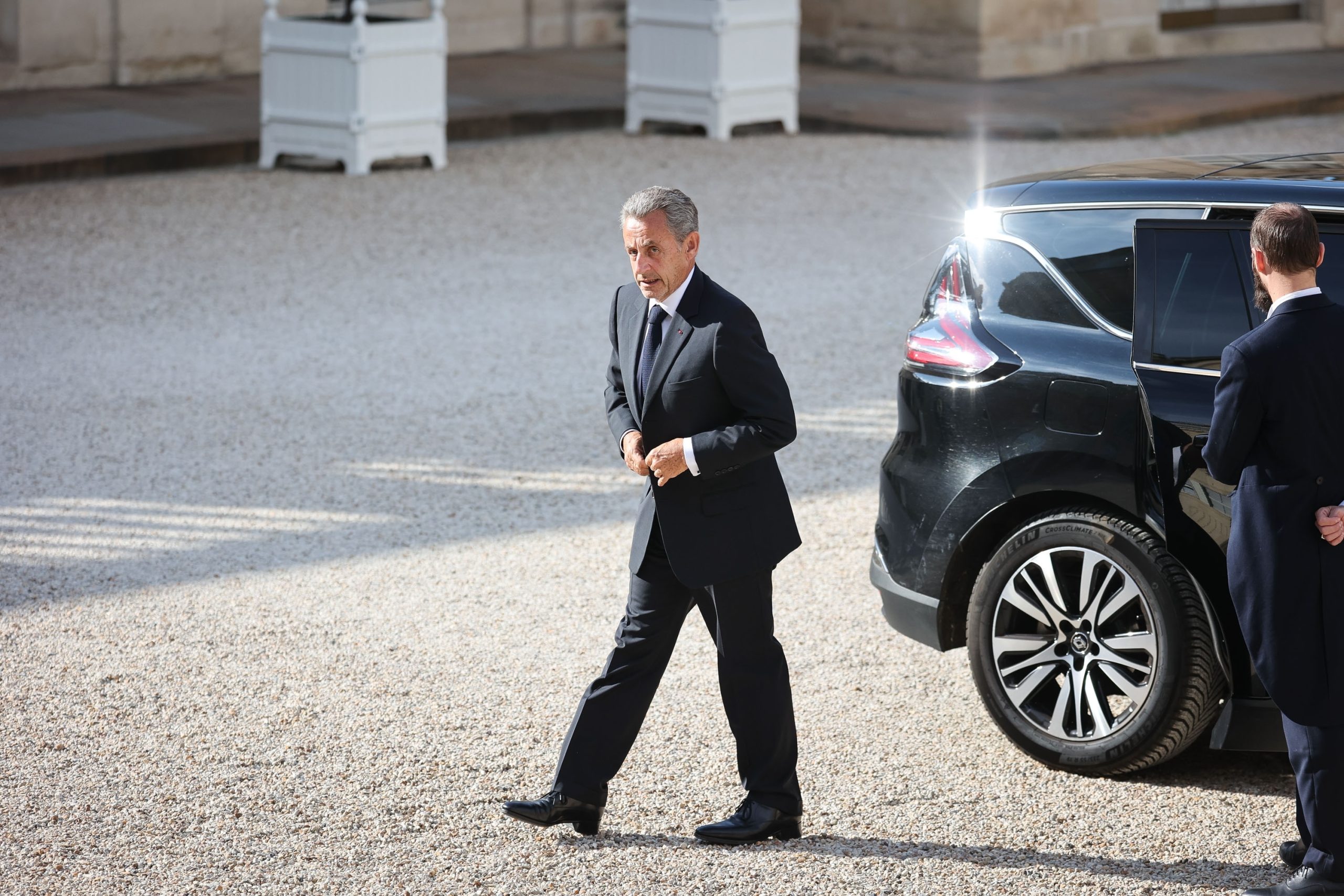
Former French President Nicolas Sarkozy began a five-year prison sentence on Tuesday for conspiring to raise campaign funds from Libya, marking a historic downfall for a leader once known for his energy, influence and global profile.
Sarkozy, who served as France’s conservative president from 2007 to 2012, is the first former French head of state to go to prison since Marshal Philippe Pétain, who was jailed for collaborating with the Nazis after World War II.
“I’m not afraid of prison. I’ll keep my head held high, including at the prison gates,” Sarkozy told La Tribune Dimanche newspaper before his incarceration.
Solitary Confinement in La Santé Prison
Sarkozy is being held in La Santé prison in Paris, where he will remain isolated from other inmates, prison director Sebastien Cauwel told RTL Radio. “He will be able to access the exercise yard, on his own, twice a day, and he will be alone when inside his prison cell,” Cauwel said, as stated in Reuters.
The former president’s cell, measuring between 9 and 12 square meters, includes a private shower, and he will have access to a television for a €14 ($16) monthly fee and a landline telephone.
Sarkozy’s lawyer Jean-Michel Darrois told Franceinfo radio that his client had packed warm clothes and earplugs. “He has put together a few bags with pullovers, as prisons can be cold, and some earplugs as there could be a lot of noise,” Darrois said.
Sarkozy told Le Figaro that he plans to read Alexandre Dumas’ “The Count of Monte Cristo” — the tale of a man unjustly imprisoned who seeks revenge — during his first week behind bars.
Conviction Caps Years of Legal Battles
The conviction concludes years of investigations into whether Sarkozy’s 2007 campaign received millions in cash from Libyan leader Muammar Gaddafi, later overthrown and killed during the Arab Spring uprisings.
While Sarkozy was found guilty of conspiring with aides to arrange the illicit funding, he was acquitted of personally receiving or using the money. He maintains his innocence, calling the case politically motivated and “an attempt to humiliate him.”
He has appealed the ruling, but under French law must begin serving his sentence while the appeal is pending.
Sarkozy has already been convicted in a separate corruption case, in which he was found guilty of trying to obtain confidential information from a judge in exchange for career favors. He served that sentence under house arrest with an electronic ankle tag.
Public Divided but Majority Support Verdict
Sarkozy’s imprisonment has stirred anger among his political allies and far-right figures, but polls suggest most French citizens see the ruling as fair.
An Elabe poll for BFM TV found that 58% of respondents believe the verdict was impartial, and 61% support the decision to enforce the sentence before his appeal is heard.
The move reflects a broader judicial shift in France against white-collar crime, with courts increasingly issuing “provisional execution” orders that compel immediate imprisonment, even when appeals are pending.
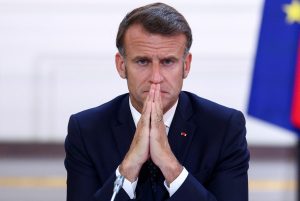
President Emmanuel Macron, who maintains cordial ties with Sarkozy and his wife Carla Bruni, said he met the former leader ahead of his incarceration. Justice Minister Gerald Darmanin, a longtime Sarkozy ally, told France Inter radio he plans to visit him in prison.