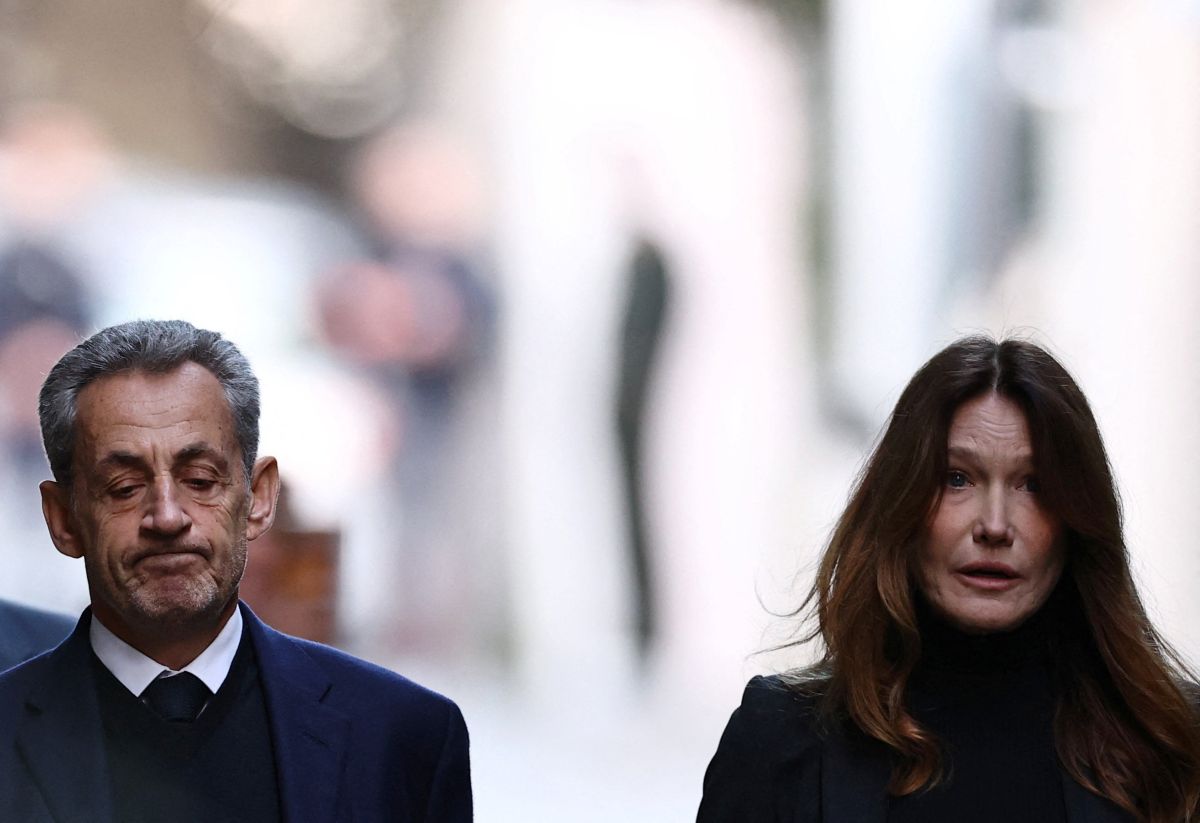
A Paris court on Monday granted former French President Nicolas Sarkozy early release from La Santé prison, just weeks after he began serving a five-year sentence for criminal conspiracy linked to campaign funding from Libya.
Sarkozy, 70, was jailed on October 21 following a September conviction that found he and close aides had sought funds from Muammar Gaddafi’s regime to support his successful 2007 presidential campaign. He was acquitted of separate charges of corruption and illegal campaign financing.
Court grants release under supervision
The court agreed to release Sarkozy pending his appeal under strict judicial supervision, including a ban on leaving France and contact with other individuals indicted in the case, according to BFM TV.
Judge Nathalie Gavarino had previously ordered Sarkozy’s imprisonment due to the “extraordinary seriousness” of the crime, marking a dramatic turn for the former conservative leader who governed France from 2007 to 2012.
The public prosecutor supported the release, saying Sarkozy posed no flight risk but should remain under supervision.
“I’m French, sir. I love my country. I’m fighting for the truth to prevail,” Sarkozy said via video link from prison, as reported in Reuters, pledging to comply with all judicial conditions if freed. Describing his time in jail, he added: “It’s tough. Really tough — as it must be for any detainee. I’d even say it’s draining.”
A series of legal battles
Sarkozy has faced multiple legal challenges since leaving office. In 2023, France’s highest court upheld a conviction for corruption and influence peddling, ordering him to wear an electronic monitoring tag for one year — a first for a former head of state. The tag has since been removed.
He was also found guilty last year of illegal campaign financing related to his failed 2012 re-election bid, a ruling that France’s top court is expected to review later this month.
In a separate case, Sarkozy remains under formal investigation for allegedly being an accessory to witness tampering.
His release marks a temporary reprieve in what has become one of the most consequential and closely watched political and legal sagas in modern French history.