The U.S. Senate on Wednesday narrowly blocked a resolution that would have prevented President Donald Trump from taking further military action in Venezuela without Congress’ approval, underscoring both concern over his foreign policy and his sway over Republican lawmakers.
The vote was 51-50, with Vice President JD Vance casting the tie-breaking vote after only three Republicans joined all Democrats in support of the resolution. The measure, known as a war powers resolution, had advanced in the Senate just six days earlier, when five Republicans initially backed it in a rare challenge to Trump’s leadership.

Trump and his administration argued that no U.S. troops are currently on the ground in Venezuela, describing the recent capture of Venezuelan President Nicolas Maduro on January 3 as a judicial operation to bring him to trial in the U.S. on drug charges rather than a military action. Republican Senate Majority Leader John Thune said Democrats were motivated by “anti-Trump hysteria.”
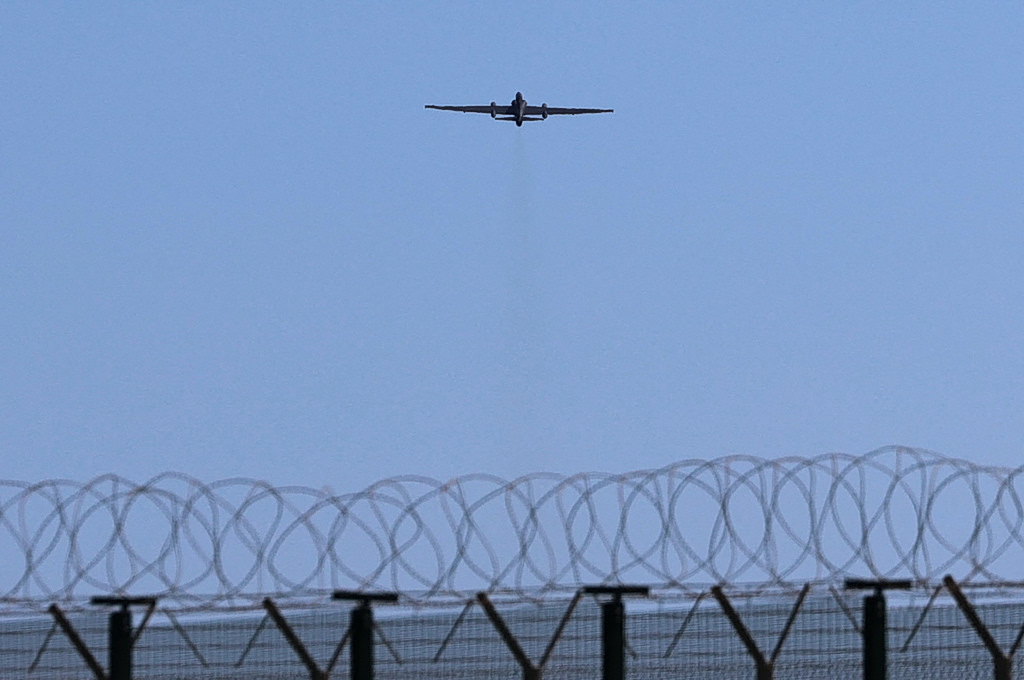
Opponents of the administration’s position, including Democratic Senator Tim Kaine, highlighted U.S. naval activity around Venezuela, including months of blockades and engagements with boats in the southern Caribbean and Pacific, arguing that Trump’s threats of further military action violated the meaning of “imminent hostilities” under the War Powers Resolution.
The close vote reflected broader concerns in Congress about Trump’s foreign policy. Critics note his recent statements about running Venezuela for years, encouraging Iranian protesters, and threatening military action in Greenland.
Trump responded angrily to the initial January 8 vote to advance the resolution, which saw five Republicans vote with Democrats. He publicly criticized those senators, including Rand Paul, Susan Collins, Josh Hawley, Lisa Murkowski, and Todd Young. Following pressure from Trump, Secretary of State Marco Rubio, and other officials, Hawley and Young switched their votes to oppose the resolution. Young stated he had received assurances that the administration would consult Congress before any major military operations in Venezuela.
Even if the resolution had passed the Senate, it would have faced additional hurdles in the Republican-led House and would have required a two-thirds majority in both chambers to overcome a likely Trump veto. Similar attempts to limit Trump’s war powers have been blocked in the Senate twice before.