In an unprecedented initial public offering, SpaceX raised $75 billion, catapulting Elon Musk’s technology conglomerate into the ranks of America’s largest publicly traded companies on the back of overwhelming investor demand.
Trading was set to begin Friday, after the rockets, satellites, and AI group priced 555.6 million shares at $135 apiece. Total fundraising could climb to $86 billion, with a valuation of $1.78 trillion, if underwriters exercise a greenshoe option to sell additional shares, according to the Financial Times.
The landmark IPO underscores investors’ insatiable appetite for companies tied to the AI boom, laying the groundwork for the later-this-year market debuts of Anthropic, maker of Claude, and OpenAI, developer of ChatGPT.
SpaceX received orders for more than three times the amount on offer, as massive asset managers, Gulf sovereign wealth funds, hedge funds, and retail investors all competed for shares, according to people familiar with the matter. Individual investors placed orders totaling more than $100 billion and are expected to receive between 20% and 25% of the shares sold, those same sources added. Bank of America handled the U.S. retail portion of the deal.
Musk Wants Small Investors in SpaceX
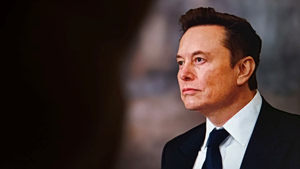
Musk has long wanted to place small shareholders close to the center of his rocket and satellite empire’s ownership structure, which leaves fewer shares available for the large accounts that traditionally get priority in public offerings.
“We’re going account by account, looking at cuts,” a senior banker told the FT. “More from the hedge fund community are being cut.”
SpaceX is expected to begin trading on Nasdaq on Friday, with Goldman Sachs, JPMorgan Chase, and Morgan Stanley among the banks managing the deal.
The listing comes during a turbulent week for American markets and a historic flurry of stock sales on Wall Street. Alphabet attempted to raise roughly $85 billion the previous week, while the FT reported that Meta has also explored a major share sale.
SpaceX plans to direct the capital toward projects ranging from AI infrastructure to new satellite constellations. Some $20 billion must also be used to repay a bridge loan the group took out in March, after Musk merged his debt-laden AI and social media businesses into the company.
“We are entering a massive new phase of growth and we need capital for that,” Musk told JPMorgan Chase CEO Jamie Dimon last week during an IPO roadshow event.
Data Centers in Space
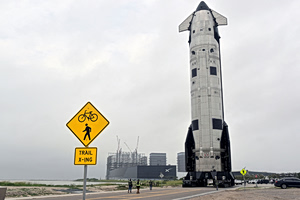
Musk added that building AI data centers in space would be “another enormous capital endeavor” and the best way to overcome Earth’s energy constraints. This week he unveiled a sketch of a first AI satellite with a 70-meter wingspan.
Orbital AI data centers are central to Musk’s goal of capitalizing on what he describes as a $28.5 trillion market, and to justifying the company’s sky-high valuation. The $1.78 trillion market cap makes the loss-making conglomerate the most expensive of the world’s 10 most valuable companies, trading at 92 times the $19 billion in revenue it posted over the past year.
Goldman Sachs analysts, the lead underwriter, have projected a hundredfold increase in AI revenues to $322 billion by 2030.
People familiar with the deal said that long-standing SpaceX backers, long-only investors, and family offices were given priority for shares as the company assembled its final book.
Gulf sovereign wealth funds, including Saudi Arabia’s Public Investment Fund, along with state funds from Qatar and Kuwait, were set to acquire over $1 billion worth of shares each, placing them near the top of the IPO book, those people said. BlackRock, the world’s largest asset manager, requested more than $5 billion in shares.
Nasdaq approved “fast entry” rules allowing SpaceX to join the widely tracked Nasdaq 100 after just 15 days of trading, and won the listing over the New York Stock Exchange. FTSE Russell went a step further, adopting a five-trading-day fast-entry rule to include the rocket maker in the Russell 1000 and 3000 indexes almost immediately.