
Syria and the Kurdish-led Syrian Democratic Forces (SDF) reached a sweeping agreement on Sunday to bring Kurdish civilian and military authorities under central government control, marking an end to days of clashes in northeastern Syria.
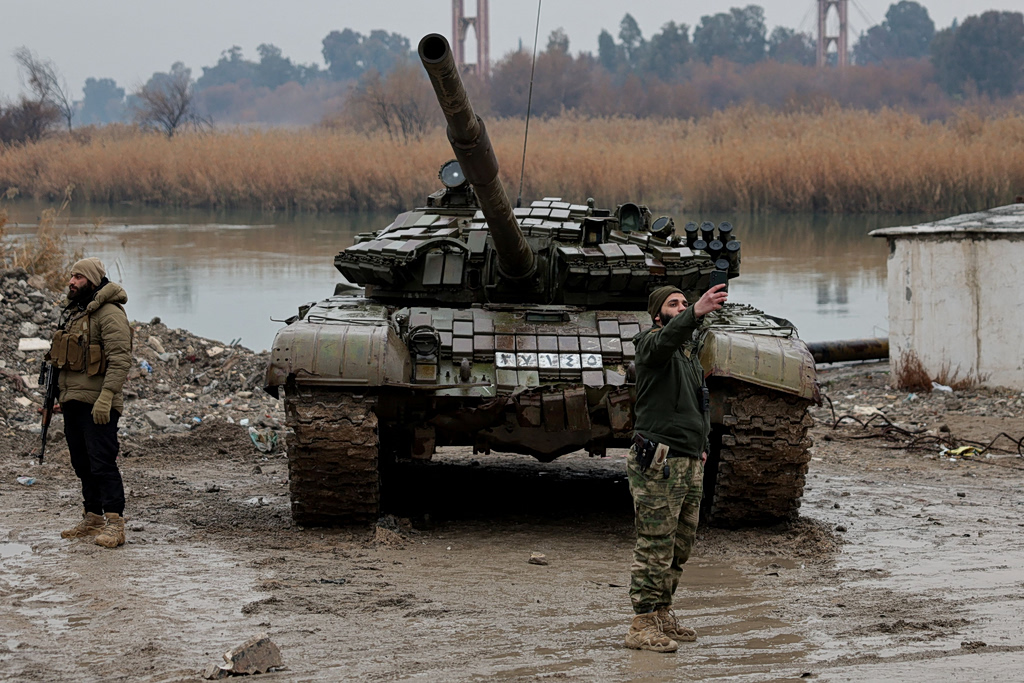
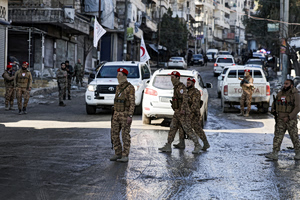
A military personnel uses his phone at the crossing connecting the two banks of the Euphrates River, as others attempt to cross to the other side after the Syrian Democratic Forces (SDF) withdrew from Deir al-Zor province and the Syrian army took full control over the area, in Deir al-Zor, Syria, January 18, 2026. REUTERS/Khalil Ashawi
The deal represents a significant shift for the SDF, which has administered a semi-autonomous region for over a decade. Under the agreement, the SDF will withdraw from the Arab-majority provinces of Deir al-Zor and Raqqa—areas critical for oil, wheat production, and hydroelectric power along the Euphrates. Syrian troops had seized these territories during recent fighting.
View this post on Instagram
SDF leader Mazloum Abdi confirmed the deal and said he would meet President Ahmed al-Sharaa in Damascus on Monday to discuss its details publicly. Abdi emphasized that Kurdish forces remained committed to protecting the achievements of their northeast region, describing the conflict as imposed rather than voluntary.
View this post on Instagram
The 14-point agreement specifies that all SDF forces will be merged into Syria’s central defence and interior ministries as individuals rather than as organized Kurdish units—a key point of contention during negotiations. Control of border crossings, oil and gas fields, prisons, and camps housing Islamic State fighters will transfer to Damascus, though SDF input will continue in certain government roles. Hasakeh province, the SDF stronghold, will see its governor appointed by consensus between the government and Kurdish authorities.
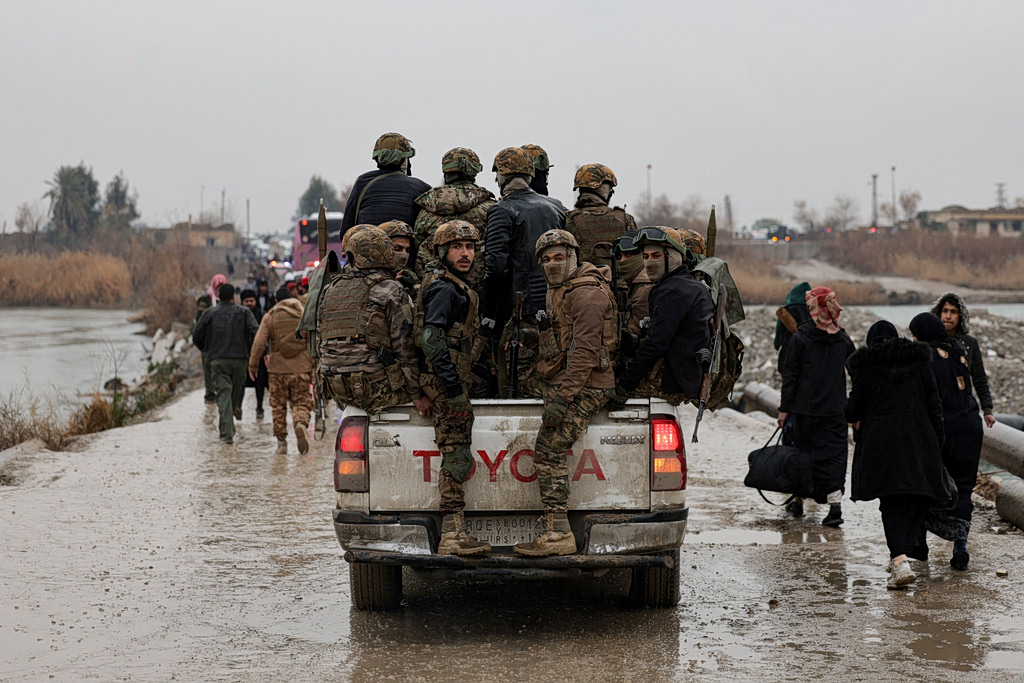
Military personnel in a vehicle at the crossing connecting the two banks of the Euphrates River, as they attempt to cross to the other side after the Syrian Democratic Forces (SDF) withdrew from Deir al-Zor province and the Syrian army took full control over the area, in Deir al-Zor, Syria, January 18, 2026. REUTERS/Khalil Ashawi
The deal also requires the expulsion of non-Syrian figures affiliated with the Kurdistan Workers’ Party (PKK), which the government has accused of interfering with SDF decision-making.
While the agreement appears to end most fighting, intermittent clashes were still reported in some areas. Syrian state media released photos of residents in Raqqa celebrating the anticipated handover. Government officials emphasized that the transition would not jeopardize ongoing operations against remaining Islamic State elements.
The agreement places the U.S. in a delicate position. Washington has long supported the SDF in the fight against Islamic State, but it also backs Sharaa’s goal of unifying Syria under a central government. U.S. envoy Tom Barrack called the deal a “pivotal inflection point” but noted that further work is needed to finalize the integration.
Turkey welcomed the agreement, expressing hope it would contribute to the security and peace of Syria and the broader region.
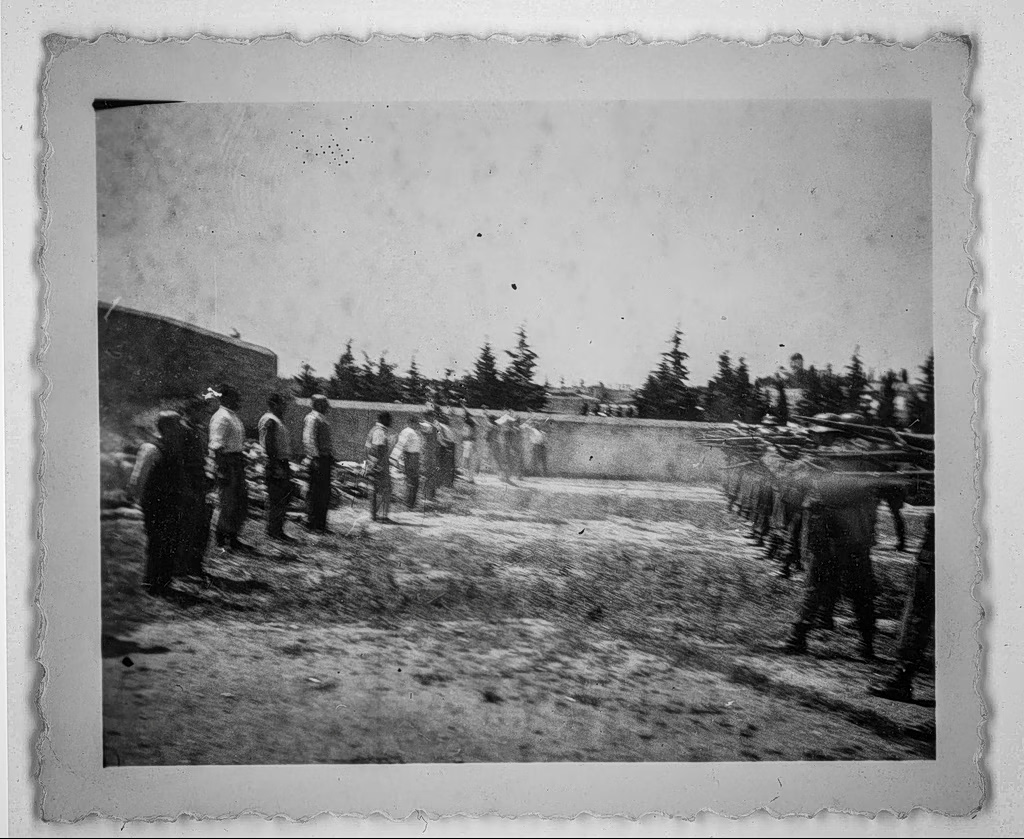
The integration deal comes after months of negotiations between Damascus and the SDF, following missed deadlines that led to intensified clashes. Kurdish concerns remain, heightened by past sectarian violence in western and southern Syria that killed hundreds of Alawites and Druze, some in execution-style killings by government-aligned forces.