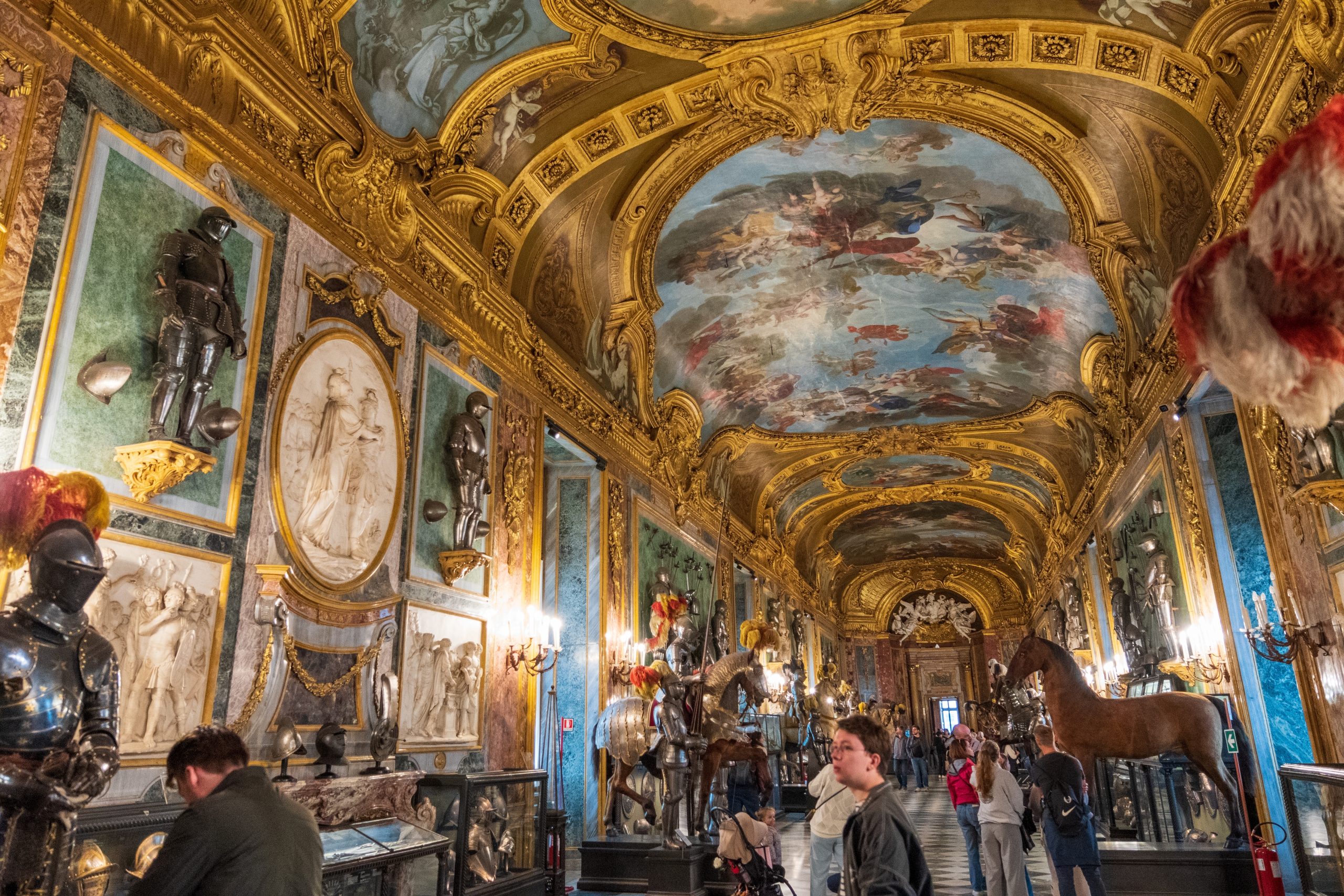
When a gang of thieves made off with eight pieces of Napoleon’s jewellery from the Louvre Museum on Sunday morning, the world watched in disbelief. Using a mechanical lift to reach the gallery, the robbers struck just half an hour after opening time, as tourists were already exploring the museum’s famed Apollo Gallery — home to France’s royal crown jewels.
The heist, one of the most publicized museum robberies in recent memory, has reignited concerns about security at the world’s most visited museum. Staff have long warned that overcrowding and understaffing have made the Louvre increasingly vulnerable.
But as shocking as the Paris jewel theft was, it is far from the first — or last — time priceless art and treasure have vanished from behind museum walls.
The Theft of the “Mona Lisa,” Louvre Museum, 1911
Before it was the most famous painting on earth, Leonardo da Vinci’s Mona Lisa was stolen from obscurity. In 1911, Vincenzo Peruggia, a former Louvre employee, hid inside the museum overnight and walked out the next morning with the painting tucked under his coat.
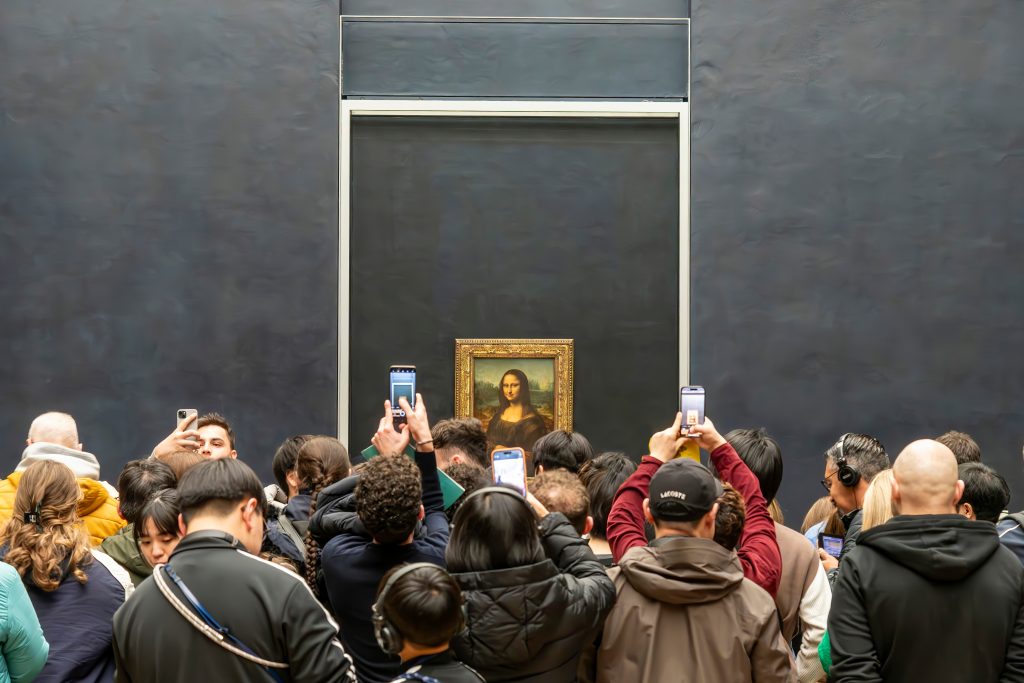
The theft made global headlines and transformed La Gioconda into a worldwide icon. It was recovered two years later in Florence, when Peruggia tried to sell it — an event that cemented its legendary status.
The Vanishing Rembrandt: “Jacob de Gheyn III” at Dulwich Gallery
Few paintings have been stolen as often as Rembrandt’s Jacob de Gheyn III. Taken from London’s Dulwich Picture Gallery not once but four times — in 1966, 1973, 1981, and 1983 — it earned the nickname “the take-away Rembrandt.”

Each time, the portrait was recovered and remains on display today, holding the Guinness World Record as the most frequently stolen major artwork.
The title of “most stolen artwork in history,” however, belongs to The Ghent Altarpiece by Jan van Eyck — looted no fewer than seven times, including by Napoleon’s troops in 1794 and again by the Nazis during World War II.
The Gardner Museum Heist, Boston, 1990
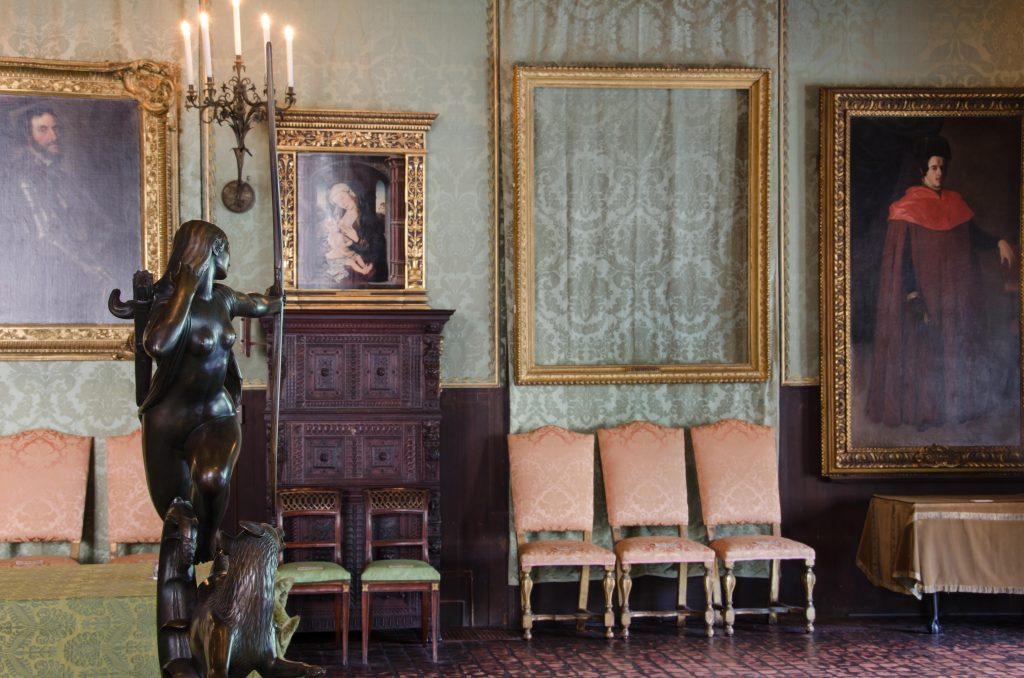
It remains the most valuable art theft in U.S. history. In the early hours of March 18, 1990, two men disguised as Boston police officers tricked their way into the Isabella Stewart Gardner Museum. They tied up two security guards and spent over an hour removing 13 masterpieces by Rembrandt, Vermeer, Degas, and Manet.
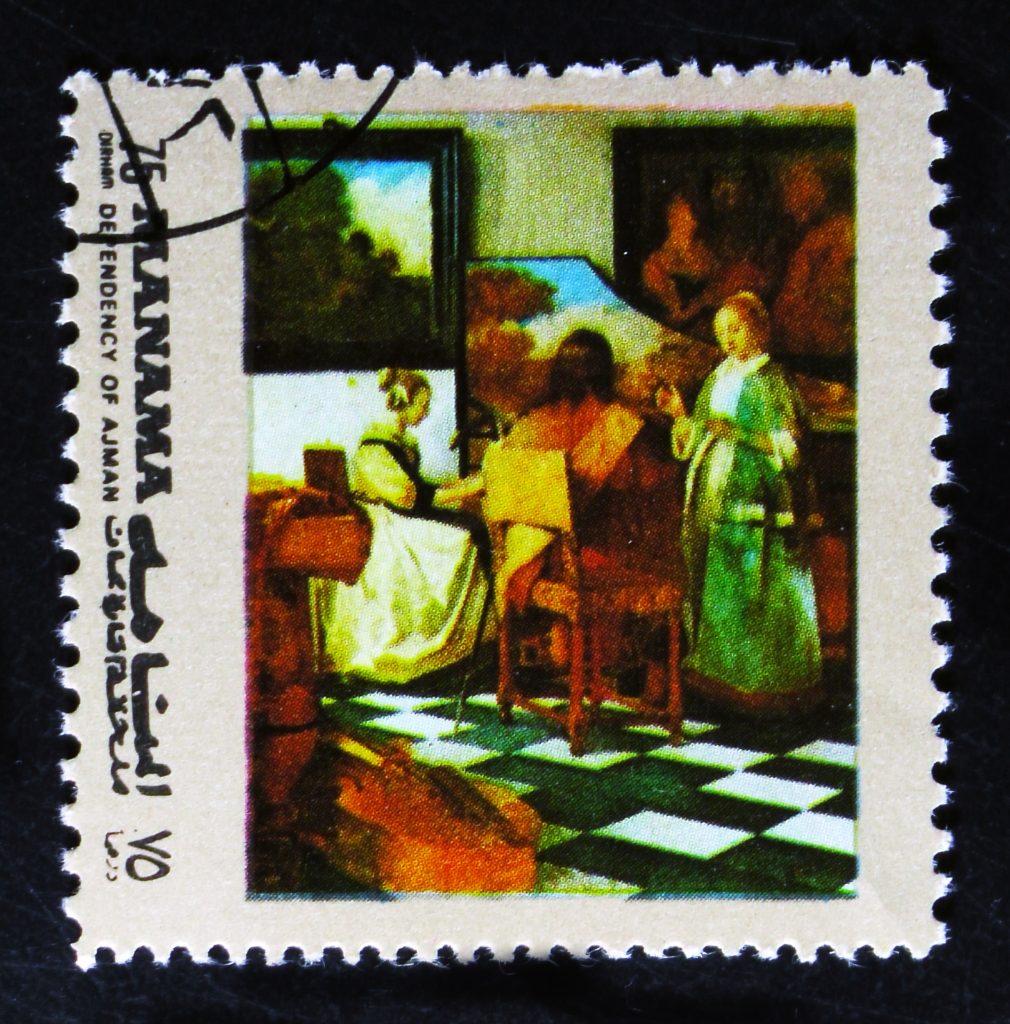
Among them was Vermeer’s The Concert, worth an estimated half a billion dollars. Some paintings were cut straight from their frames, which still hang empty in the museum — haunting reminders of a mystery that, 35 years later, remains unsolved.
The Van Gogh Museum Robberies, Amsterdam, 1991 & 2002
The Van Gogh Museum has also been a frequent target. In 1991, thieves stole 20 paintings valued at more than €400 million, including The Potato Eaters. They were later found abandoned in a nearby car.
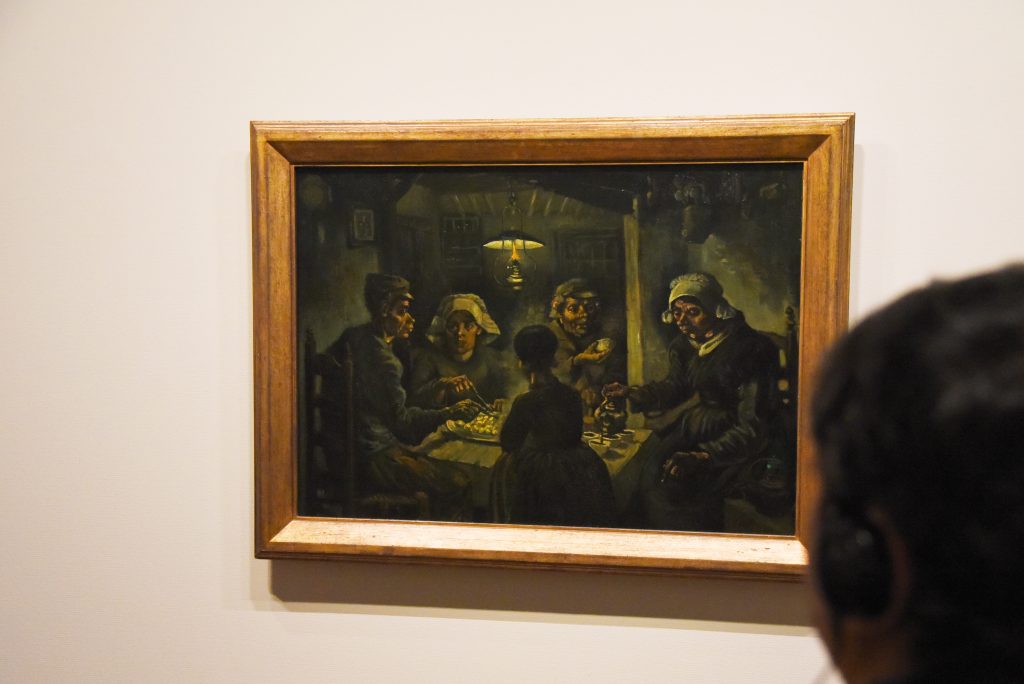
In 2002, another break-in saw two Van Gogh works stolen using a ladder and sledgehammers. Fourteen years later, Italian police recovered them from the Naples mafia and returned them to the museum.
The Dresden Green Vault Heist, 2019
In 2019, a gang broke into Dresden’s Green Vault — one of the world’s oldest museums — and smashed display cases to steal 18th-century royal jewellery encrusted with diamonds. The thieves made off with pieces valued in the hundreds of millions of euros, described by officials as “priceless and impossible to sell.”
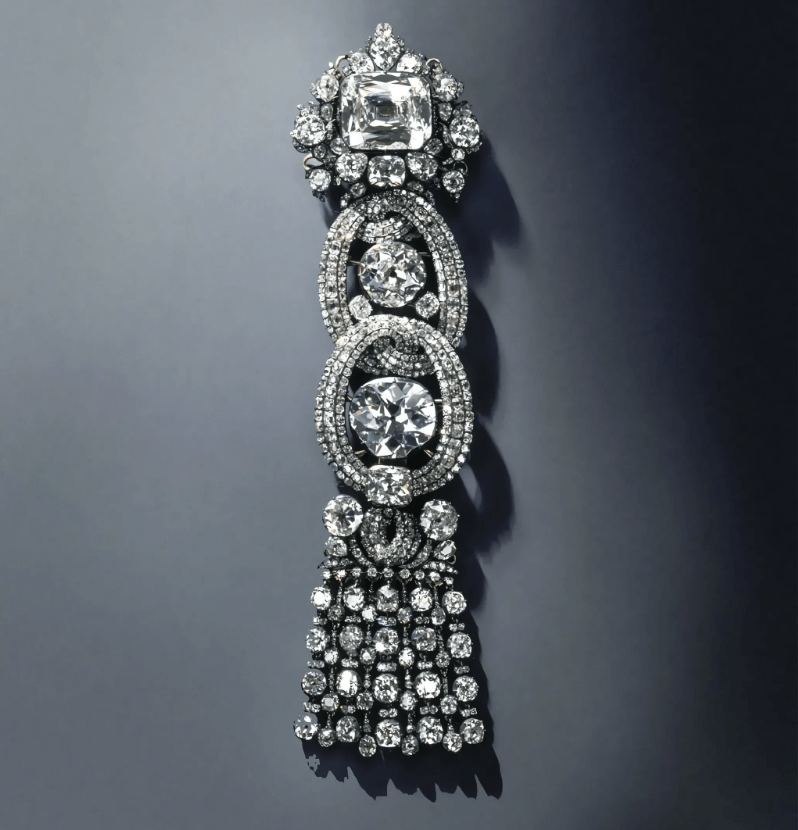
Part of the loot was later recovered, and five men were convicted in connection with the crime.
The “Heist of the Century,” National Gallery of Greece, 2012
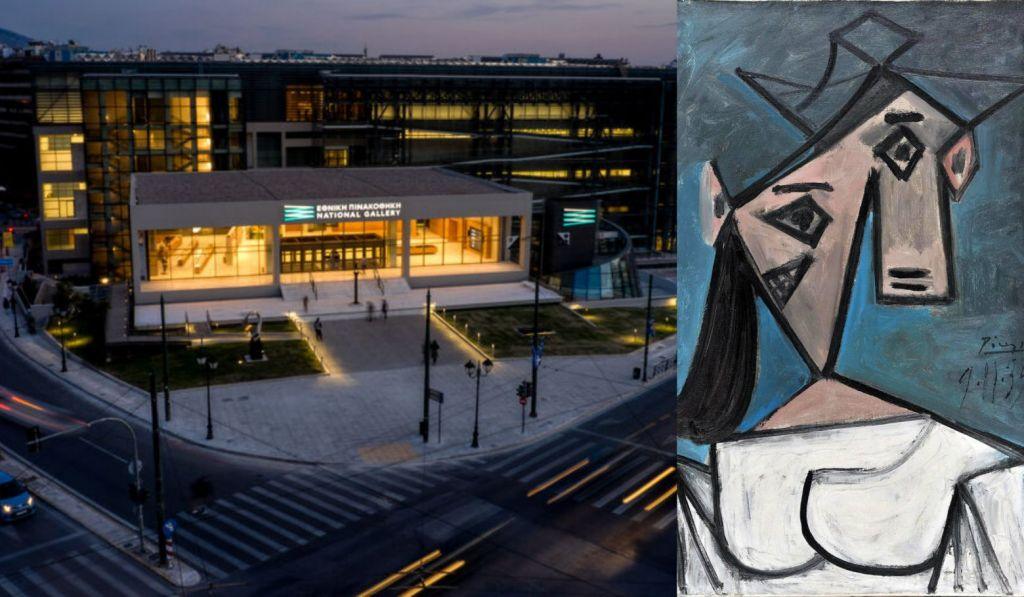
In January 2012, three works were stolen from Greece’s National Gallery in what the media called “the heist of the century.” The burglars took Pablo Picasso’s Head of a Woman — dedicated by the artist to the Greek people — Piet Mondrian’s Stammer Mill with Summer House, and a 17th-century sketch by Italian painter Guglielmo Caccia.
The case was solved nine years later when the thief, a house painter who claimed to be an art lover, confessed and revealed where he had hidden the works. The two paintings were recovered, though the Caccia sketch remains missing.
“I would have left with two paintings no matter what,” the thief reportedly told police. “It was a plan six months in the making.”
A Timeless Temptation
From Paris to Boston, Amsterdam to Athens, museum heists have captivated the world — part crime, part cinematic spectacle. Whether driven by greed, obsession, or love of art, these daring acts remind us that even the world’s most secure institutions are never truly safe from human ingenuity.
And as the Louvre’s latest robbery proves, the lure of beauty — and the thrill of the impossible — remain as irresistible as ever.