Three Russian military jets entered Estonian airspace on Friday for 12 minutes in what the Estonian government described as an “unprecedentedly brazen” violation, escalating tensions on NATO’s eastern flank.
The incursion occurred just over a week after more than 20 Russian drones entered Polish airspace on the night of September 9–10, prompting NATO jets to intercept some of them. Western officials interpreted the drone activity as a test of the alliance’s readiness and resolve. The incident also comes three days after Russia and Belarus concluded joint military exercises, Zapad 2025.
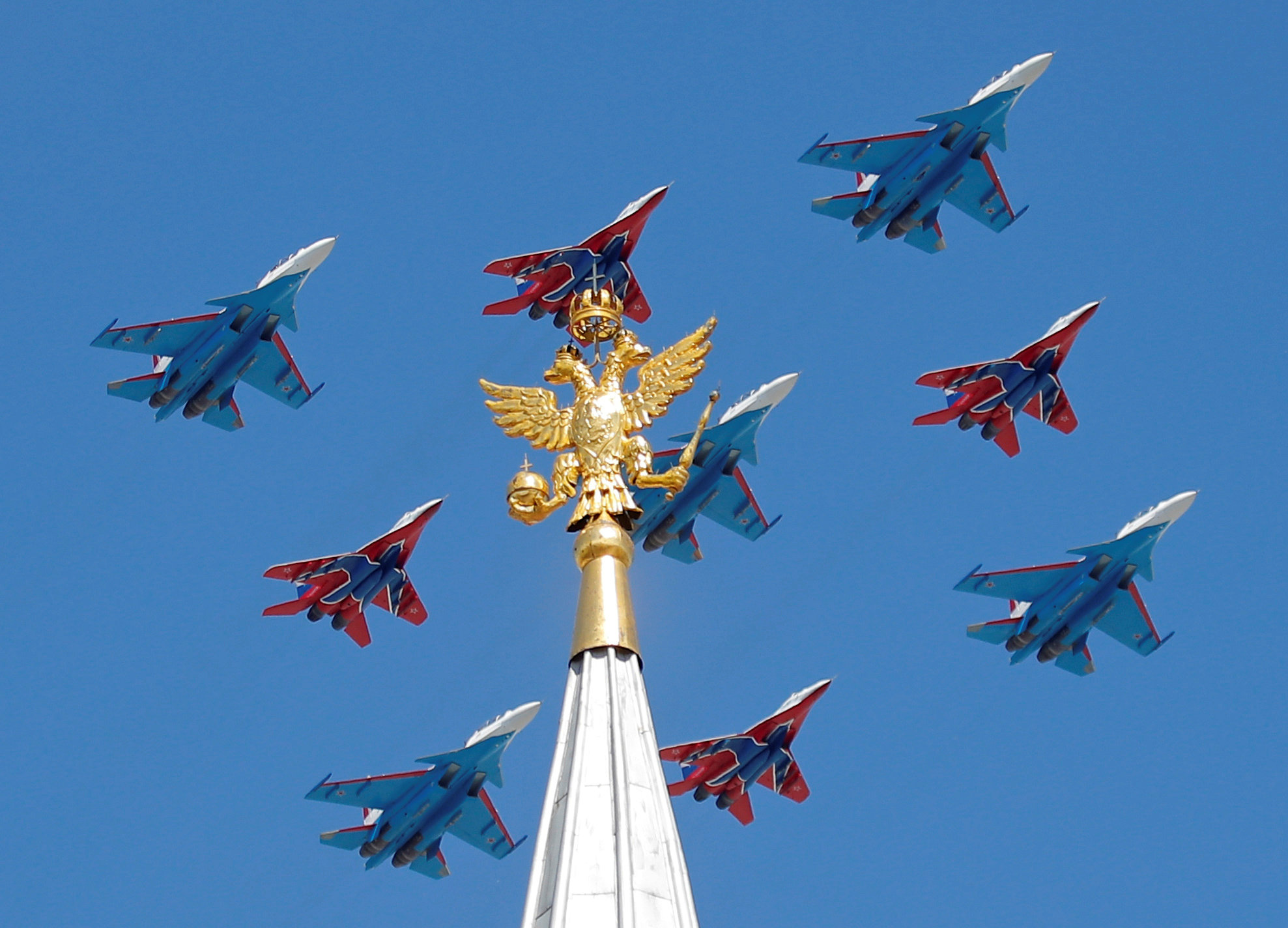
Estonia’s Foreign Minister Margus Tsahkna said Friday that the MiG-31 fighter jets entered Estonian airspace without permission and remained inside for 12 minutes. “Russia has violated Estonian airspace four times already this year, which is unacceptable in itself, but today’s violation, during which three fighter jets entered our airspace, is unprecedentedly brazen,” Tsahkna said. He added that Russia’s “ever-increasing testing of borders and aggressiveness must be responded to by rapidly strengthening political and economic pressure.”
The Russian Defence Ministry did not immediately respond to requests for comment. Russian jets frequently fly over the Baltic Sea between mainland Russia and its exclave of Kaliningrad, where Russia’s Baltic Fleet is based.
A NATO spokesperson confirmed that the aircraft were intercepted immediately. “Earlier today, Russian jets violated Estonian airspace. NATO responded immediately and intercepted the Russian aircraft. This is yet another example of reckless Russian behaviour and NATO’s ability to respond,” the spokesperson said on X.
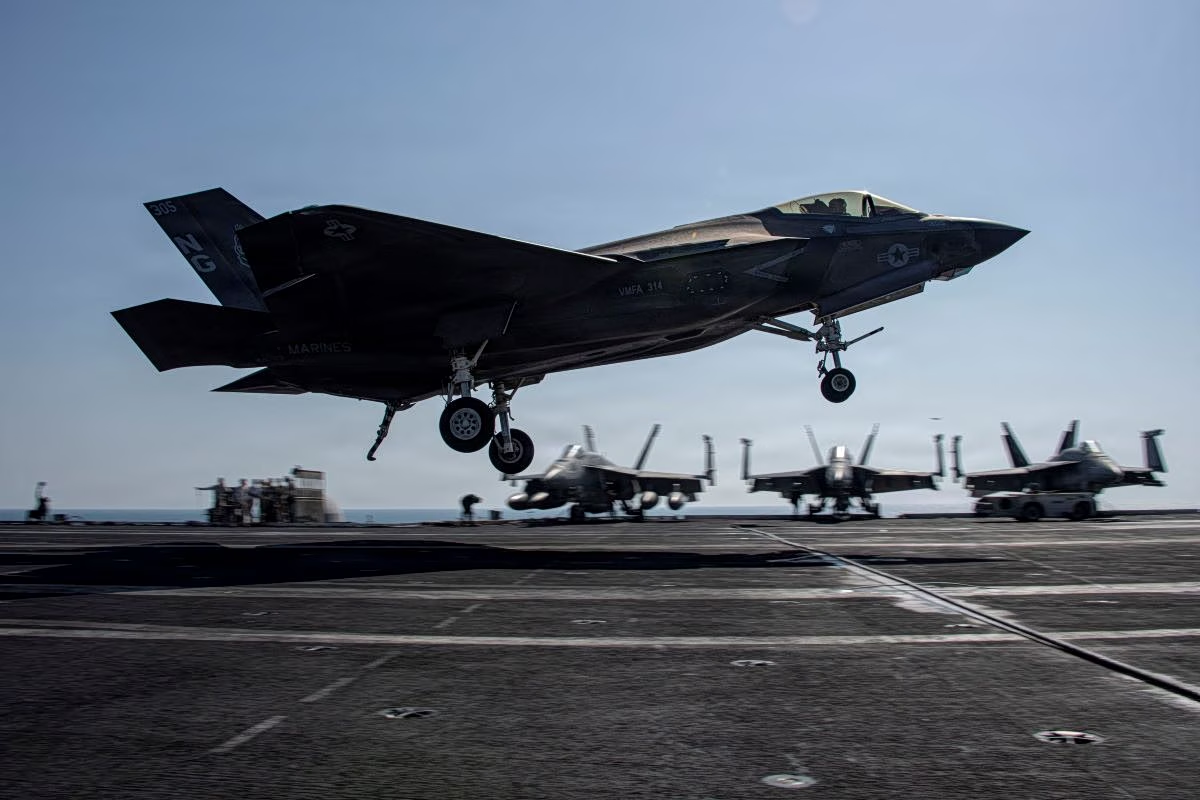
EU foreign policy chief Kaja Kallas commented, “This was no accident,” according to a spokesperson. Estonia summoned the top Russian diplomat in the country to lodge a formal protest and deliver a diplomatic note. A European source said Estonia is considering invoking Article 4 of the NATO treaty, which allows members to consult when the security of any member is threatened. The Russian jets reportedly flew around 5 nautical miles (9 km) into NATO airspace before being pushed out by Italian F-35s.
The Estonian Defence Forces reported that the jets did not have flight plans, their transponders were switched off, and they were not in contact with air traffic control. The incursion occurred over Vaindloo Island, approximately 100 kilometers (124 miles) from Tallinn. While Russian flights over Vaindloo Island are not uncommon, the duration of Friday’s incursion was unusually long.
A U.S. official, speaking anonymously, said it was difficult to see how the aircraft could have unintentionally remained in Estonian airspace for so long. Jakub M. Godzimirski, a research professor at the Norwegian Institute of International Affairs, noted that while the incident could be a test, it might also have been coincidental—but it occurred in the broader context of recent Russian activity in the region.
Estonia, a strong supporter of Ukraine, previously reported that Moscow briefly sent a fighter jet into NATO airspace over the Baltic Sea in May in an attempt to intercept a Russian-bound oil tanker linked to a “shadow fleet” circumventing Western sanctions.