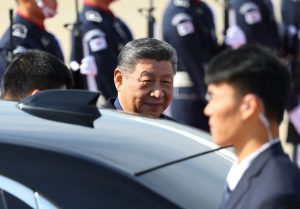

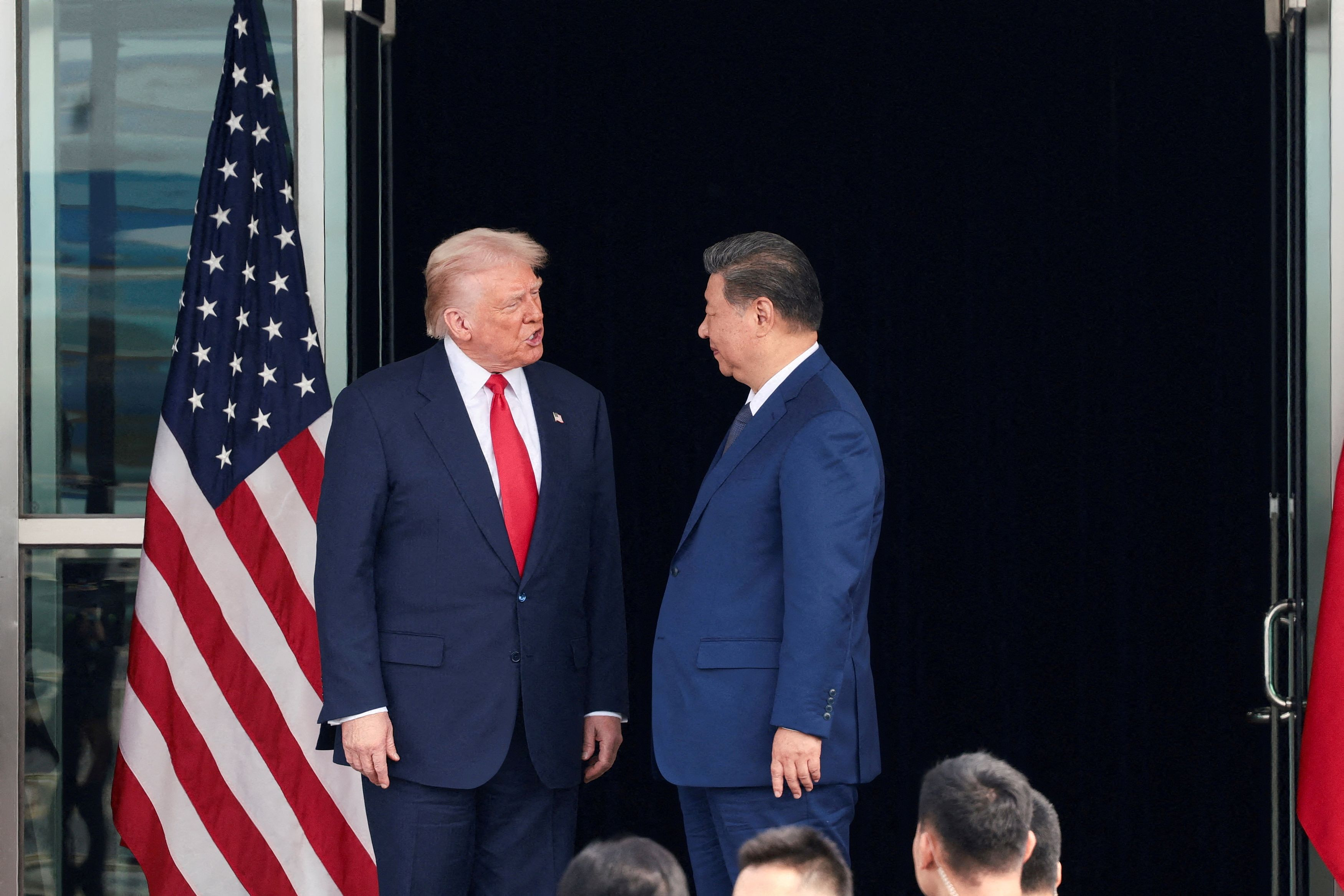
President Donald Trump described U.S.-China relations as “extremely strong” on Monday following a phone call with Chinese President Xi Jinping, who emphasized that Taiwan’s “return to China” remains a key element of Beijing’s vision for the post-World War II international order.
The call, which neither side had previously flagged, comes weeks after their bilateral meeting in South Korea, where the leaders agreed on a trade framework that has yet to be finalized. Trump made no mention of Taiwan in his social media statement but said the conversation covered Ukraine, fentanyl, and U.S. farm exports.
“Our relationship with China is extremely strong! This call was a follow-up to our highly successful meeting in South Korea,” Trump wrote on Truth Social, adding that he accepted Xi’s invitation to visit Beijing in April and extended an invitation for Xi to visit the U.S. later this year.
White House Press Secretary Karoline Leavitt said the one-hour call focused primarily on trade, noting positive momentum on both sides. Since the October framework agreement, China has resumed purchases of U.S. soybeans and paused expanded export curbs on rare earth minerals, while the U.S. lowered tariffs by 10%. Treasury Secretary Scott Bessent said a final deal on rare earths was expected by Thanksgiving, as reported in Reuters.
Xi reiterated that China-U.S. ties have stabilized and stressed that cooperation benefits both nations, while confrontation harms both. He also reaffirmed Beijing’s support for all efforts promoting peace in Ukraine.
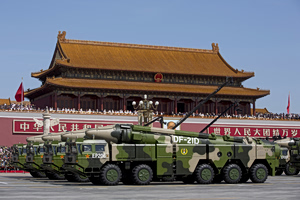
The call comes amid heightened tensions between China and U.S. ally Japan, with Beijing criticizing Tokyo’s plan to deploy medium-range missiles on Yonaguni Island near Taiwan. Experts say the missile system is defensive, but China views it as a provocation and part of broader concerns about Japanese militarization in the region.
Analysts note Xi’s comments on Taiwan during the call echo statements he made earlier in Russia, underscoring Beijing’s consistent stance on the issue even as Trump has largely avoided direct engagement on the Taiwan-Japan dispute.